Are high loading metal pallets prone to damage during handling?
As a supplier of high loading metal pallets, I've encountered numerous inquiries from customers regarding the durability of these pallets during handling. This is a crucial concern, as the integrity of pallets directly impacts the safety and efficiency of the entire logistics and storage process. In this blog, I'll delve into the factors that influence the susceptibility of high loading metal pallets to damage during handling and provide insights based on industry knowledge and practical experience.
Understanding High Loading Metal Pallets
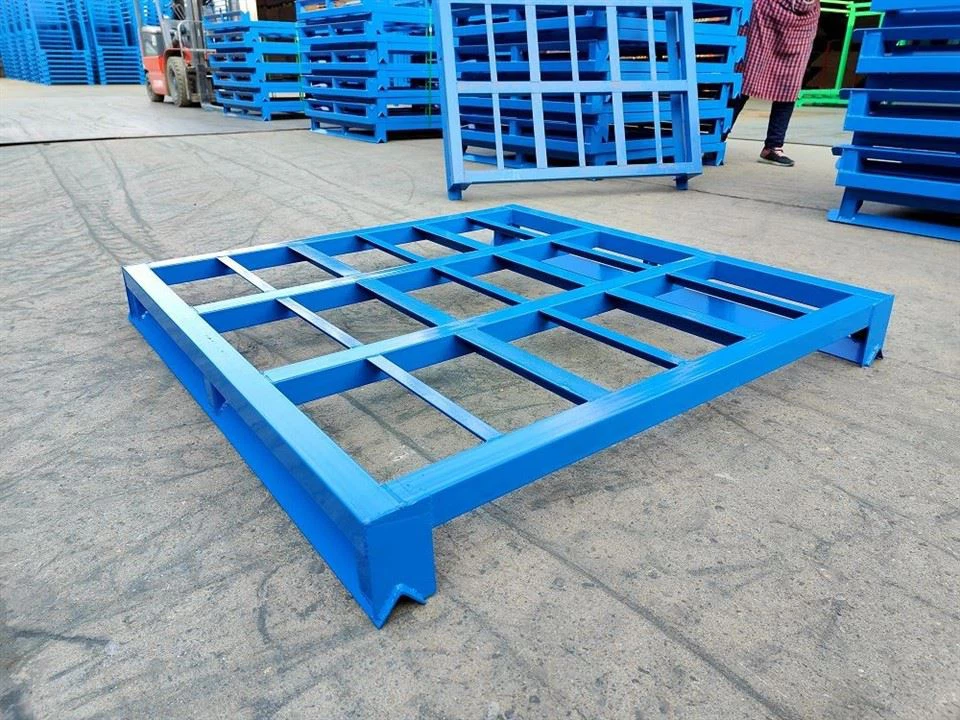
High loading metal pallets are designed to withstand substantial weights, making them ideal for heavy - duty applications in industries such as manufacturing, warehousing, and transportation. These pallets are typically made from robust materials like steel, which offers high strength and durability. They come in various types, including Double - Sided Galvanized Pallets, Metal Steeel Pallet, and Steel Storage Pallet. Each type has its unique features and is suitable for different usage scenarios.

Factors Affecting Damage During Handling
1. Design and Construction
The design of high loading metal pallets plays a significant role in their resistance to damage. Well - designed pallets have proper reinforcement in critical areas, such as corners and edges. For example, pallets with reinforced corner posts are better able to withstand impacts during handling. Additionally, the construction method, such as welding quality, can also affect the overall strength of the pallet. High - quality welding ensures that the joints are strong and less likely to break under stress.
2. Material Quality
The quality of the metal used in the pallet is a determining factor. Higher - grade steel is more resistant to deformation and corrosion. Galvanized steel, for instance, has a protective zinc coating that helps prevent rust and extends the lifespan of the pallet. When the material quality is poor, the pallet is more likely to suffer from dents, cracks, or other forms of damage during handling.
3. Handling Equipment
The type and condition of the handling equipment can have a major impact on pallet damage. Forklifts, pallet jacks, and other handling tools need to be properly maintained and operated correctly. If the forks of a forklift are misaligned or damaged, they can cause excessive stress on the pallet, leading to breakage. Similarly, rough handling by inexperienced operators can also increase the risk of damage.
4. Load Distribution
Uneven load distribution is a common cause of pallet damage. When a high - loading metal pallet is overloaded on one side or if the load is not centered properly, it can create uneven stress on the pallet structure. This can lead to bending, warping, or even collapse of the pallet. It's essential to ensure that the load is evenly distributed across the pallet surface to minimize the risk of damage.
5. Environmental Conditions
The environment in which the pallets are used and stored can also affect their durability. Exposure to harsh weather conditions, such as extreme heat, cold, or high humidity, can cause the metal to expand, contract, or corrode. In industrial settings where there may be exposure to chemicals or abrasive substances, the pallets are also at a higher risk of damage.
Minimizing Damage During Handling
1. Proper Training
Providing comprehensive training to operators on how to handle high loading metal pallets is crucial. Operators should be taught the correct way to lift, move, and stack pallets to avoid unnecessary stress on the pallets. They should also be trained to inspect the pallets regularly for any signs of damage before use.
2. Equipment Maintenance
Regular maintenance of handling equipment is essential. Forklifts and pallet jacks should be inspected and serviced frequently to ensure that they are in good working condition. This includes checking the forks for alignment and wear, as well as the hydraulic systems for proper operation.
3. Load Management
Implementing proper load management practices can significantly reduce the risk of pallet damage. This includes using load - spreading devices, such as load boards, to ensure even load distribution. It's also important to follow the recommended weight limits for each type of pallet.
4. Storage and Protection
Storing high loading metal pallets in a dry, clean environment can help prevent corrosion and other forms of damage. If the pallets are stored outdoors, they should be covered or stored in a sheltered area. Additionally, using protective coatings or treatments can further enhance the durability of the pallets.
Conclusion
In conclusion, while high loading metal pallets are generally more durable than other types of pallets, they are still susceptible to damage during handling. However, by considering the factors mentioned above and implementing appropriate measures to minimize damage, the lifespan of these pallets can be significantly extended. At our company, we are committed to providing high - quality high loading metal pallets that are designed to withstand the rigors of handling and storage.
If you're in the market for high loading metal pallets and want to discuss your specific requirements, we'd be more than happy to assist you. Contact us for a detailed consultation and let's work together to find the best pallet solution for your business.
References
- "Industrial Pallet Design and Engineering" - A technical guide on pallet design and construction.
- "Best Practices in Pallet Handling" - Industry - wide guidelines for safe and efficient pallet handling.
- "Materials Science for Pallet Manufacturing" - Research on the properties of different metals used in pallet production.