


Your Professional Rack Supplier
Tai'an Luming Metal Products Co., Ltd., located at the foot of Mount Taishan Mountain, was founded in 2014 and is a joint-stock company specializing in the research, development and production of storage shelves. The company covers an area of 80 acres and has a production workshop of 15000 square meters. It was jointly established by students who returned from studying at Sasaki Iron&Steel Co., Ltd. in Japan.




Why choose us
Our Certificate
Our company is certified as a National High-Tech Enterprise and holds ISO 9001 (Quality), ISO 14001 (Environmental), and ISO 45001 (Occupational Health & Safety) management system certifications. We've been awarded the AAA Credit Rating and possess over ten technology patents.
Material Quality
With 58 employees and two production lines, the subsidiary produces approximately 200 tons of square tubes daily, exclusively using Q235 steel strips sourced from Laiwu Steel to guarantee material quality.
Production Market
With a dominant 60% domestic market share, our products are widely distributed across China, Japan, South Korea, and Southeast Asia.
Our Service
To meet growing business demands and provide more timely, superior services to increasing customers,Any issues identified will receive a tailored solution within 24 hours
Warehouse Storage Rack
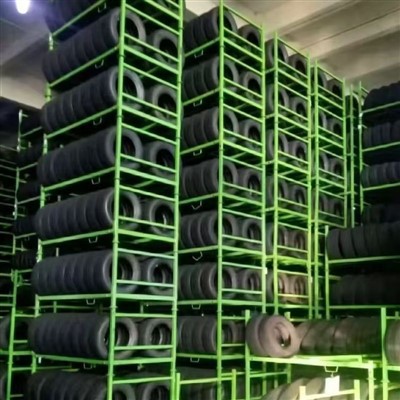
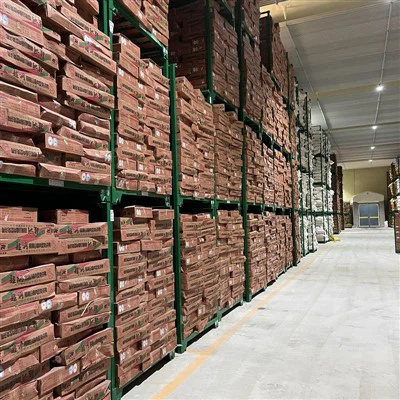
Warehouse racking systems, often referred to as storage or pallet racking, are essential material handling solutions developed to facilitate the large-scale storage of goods placed on skids or pallets. These systems enhance space efficiency and provide easy access to stored materials, leading to better inventory management. Such systems are especially advantageous for manufacturers that need to store large volumes of non-perishable products due to limited storage availability. While conventionally, palletized goods are safely stacked up to three tiers, a racking system enables stacking these palletized goods five to seven tiers high, contingent on the facility's ceiling height, thereby significantly boosting storage capacity.
|
Item |
Specification/Material Description |
|
Main Material |
High-strength Q235B cold-rolled steel with hot-dip galvanizing (≥70μm) or electrostatic spray coating (≥100μm). |
|
Standard Dimensions |
1200×1100×1500mm (Customizable; max span ≤3m; height adjustable ±10cm). |
|
Load Capacity |
Dynamic: 1-2T/tier; Static: 3T/tier; Total stacked (4 tiers): ≥8T. |
|
Structural Design |
90° interlocking tracks + cross-braced base (Seismic Grade 7); 50×50×2.5mm square tube columns. |
|
Corrosion Resistance |
Galvanized: Salt spray ≥1500hrs; Spray-coated: Weather resistance ≥10 years (-20°C~50°C). |
|
Smart Extensions |
Optional RFID slots/LED indicators; AGV-compatible. |
|
Weight |
Approx. 60-70kg/unit (±2kg), lightweight for rapid assembly/relocation. |

Advantages of Warehouse Storage Rack
Space Optimization
Stacking inventory or goods vertically on a rack maximizes available storage capacity. There’s no need to expand the warehouse’s footprint, either.
Speed And Accessibility
Vertical stacking may sound less efficient for employees, but racking systems are designed to be fast and accessible. With the proper setup, workers can quickly access and retrieve products during picking and restocking.
Safety
A well-planned racking system reduces clutter and the risk of accidents. Most warehouse safety rules require features like secure frames and locking mechanisms to keep racks in place.
Inventory And Equipment Optimization
Configure your racking system to reduce waste by supporting inventory management methods like FIFO or LIFO. Rack organization also streamlines workflows for equipment like forklifts, helping you make the most of warehouse machinery.
Reduced Costs
Warehouse racking minimizes the need to purchase additional storage space, reducing real estate costs. It also speeds up fulfillment accuracy and speed, and improves equipment utilization.
Type of Warehouse Storage Rack
Selective Racking
Selective racking is the most commonly used types of warehouse racking. It consists of upright frames and horizontal beams that support shelves. Selective racking allows for easy access to products and is ideal for warehouses with a high product turnover rate.
Double Deep Rack
Double deep warehouse racking types are similar to selective racking, but it allows for two pallets to be stored back-to-back, maximizing storage space. This type of racking is best for warehouses with limited floor space.
Carton Flow Rack
Carton flow rack is a gravity-fed system that uses rollers or wheels to move products to the front of the rack for easy picking. These types of warehouse racking are ideal for warehouses that deal with high-volume, low-SKU products.
Cantilever Rack
Cantilever racking is ideal for storing long and bulky items such as lumber or pipes. It consists of vertical columns and horizontal arms that support the stored items.
Multi-Tier Rack
Multi-tier rack is a racking system that allows for multiple levels of storage. It is ideal for warehouses with high ceilings and limited floor space.
Drive-In Racking
Drive-in racking is a system where pallets are stored on rails that allow forklifts or other material handling equipment to enter and retrieve products. This type of racking maximizes storage space, but it is not ideal for warehouses with a high product turnover rate.
Pallet Flow Rack
Pallet flow rack is a gravity-fed system that uses rollers or wheels to move pallets to the front of the rack for easy picking. This type of racking is ideal for warehouses that deal with high-volume, low-SKU products.
Push Back Rack
Push back rack is one of the warehouse racking types that allows for multiple pallets to be stored in a single lane. When a pallet is added, it pushes the other pallets back, maximizing storage space. This type of racking is ideal for warehouses with limited floor space and a high product turnover rate.
Applications of Warehouse Storage Rack
Manufacturing
Storing raw materials, semi-finished products, and finished goods in an organized manner.
Logistics
Optimizing storage space in distribution centers, making inventory management and distribution more efficient.
Retail
Enhancing product display and storage capabilities in retail warehouses.
Construction
Safely and conveniently storing building materials like steel, wood, and construction equipment.
How To Choose The Best Warehouse Racks
Cost
High-density racking systems, like flow or drive-in racks, may have a higher upfront cost, but can maximize storage space and potentially reduce costs associated with additional warehouse space. On the other hand, selective racks are less costly to install and reconfigure, but offer lower-density storage.
Available Floor Space
The amount of floor space in your warehouse plays a significant role in choosing a racking system. High-density racking systems, such as drive-in or push back racks, can store more products in a smaller footprint, making them ideal for warehouses with limited floor space.
Ceiling Height
Racking systems like selective or flow racks allow storage up to the ceiling, maximizing your available cubic space. When planning, consider your building’s ceiling height, ensuring that your chosen racking system and forklifts can accommodate high stacking.
Pallet Type and Size
Some racking systems may require consistent pallet sizes for proper operation, such as flow racks that rely on uniform dimensions to move items smoothly. Make sure your chosen racking system aligns with the type, size, and dimensions of your inventory pallets.
The Number of SKUs Stored in Each Rack
If you manage many SKUs, a selective racking system may be better because of its direct access to each pallet. High-density systems like drive-in racks are more efficient if you have fewer SKUs but higher quantities.
Frequency of Pallet Access
Warehouses with high inventory turnover and frequent pallet access benefit from selective racking, or flow racks, because they support quick retrieval. In contrast, push back and drive-in systems are better for bulk storage with lower turnover and less frequent access.
Product Shelf Life
For perishable goods, racking systems that support FIFO inventory management, such as flow or drive-through racks, are crucial. On the other hand, nonperishable goods benefit from LIFO systems and drive-in racks.
Number of Pallets To Be Stored
High-density systems such as drive-in or push-back racking are designed for large quantities of pallets with limited access points, while selective racking is better for smaller quantities with a higher focus on accessibility.
Fork Truck Type and Lift Height
Consider the types of forklifts or material handling equipment used in your warehouse and their lifting capabilities. For example, selective racking systems often require narrow-aisle lift trucks to accommodate tight spaces. Drive-in and push-back systems sometimes also require specialized forklifts.
Load Capacity: Industrial warehouse racking systems must be able to support the maximum weight of the products being stored.
Stability: Racking systems must be stable and not tip over or collapse when loaded.
Accessibility: Industrial warehouse racking systems must provide easy access to products for employees and forklift operators.
Clearance: Racking systems must have adequate clearance from sprinklers, lighting fixtures, and other equipment.
Labeling: Racking systems must be properly labeled to indicate weight limits and other relevant information.

How To Install Warehouse Racks Safely
Plan the layout: Measure your warehouse space, ceiling height, and floor plan. Consider traffic flow for workers and forklifts. Outline where each rack will go, considering aisle widths, emergency exits, and forklift access. Also, make sure the installation plan complies with local building codes, fire safety regulations, and industry standards.
Check Your Floor: Ensure the warehouse floor is level, stable, and capable of bearing the load of racks and inventory. If the floor can’t support the weight, strengthen it with anchor points.
Follow Manufacturer Instructions: Carefully follow the manufacturer’s instructions for assembly and installation. Secure all beams and crossbars using locking pins or clips to prevent dislodging during use. Ensure all beams are at the correct height and level to avoid uneven loading.
Consider Additions: They aren’t a requirement, but additions like wire mesh decking can prevent small items from falling off tall shelves. Backstops also prevent pallets from falling off the back of the racking system.
Test Rack Loads: Verify that each rack section can support the intended load without bending or collapsing. Ensure your team distributes the weight by placing loads evenly across beams.
Label Clearly: Clearly label each racking system with its maximum load capacity to ensure workers don’t overload them. Display safety signage that outlines proper loading and unloading procedures and weight limits. Go with Camcode’s durable warehouse rack labels to ensure long-term legibility in even the harshest conditions.
Inspection and Maintenance of Warehouse Storage Rack
Inspection
Inspection of Rack Structure and Condition: This inspection follows the recommendations set out by the Specialty Equipment Market Association (SEMA). The SEMA certified rack inspector (SARI) looks for crushed or sheared frames, bended columns and beams, damaged anchors or footplates, and other issues during this inspection. This warehouse rack examination ensures the facility's long-term viability.
Inspection for the Purposes of Preventing and Protecting: Checking for lift truck collisions, shelf overload, and sanitization are all part of the preventative and defensive warehouse rack inspection. To avoid lift truck accidents, the aisle area is assessed, and the shelves are examined to determine if they are packed evenly and the weight distribution is suitable. Finally, the racks are inspected for cleanliness and sanitization to ensure that they are free of dust, oil, rust, and other contaminants.
Maintenance
Maintaining pallet racks is crucial for extending their lifespan. These racks often endure uneven and excessive loads, making them susceptible to damage. To prevent or address damage, it's important to adhere to the RMI guidelines for assessing and repairing broken racks. Additionally, any rack repairs should be conducted under the supervision of a qualified expert, in accordance with RMI standards, to ensure safety and effectiveness.
The initial stage in pallet rack maintenance should be a thorough inspection. Once the inspection is completed, necessary repairs can be made to keep the warehouse rack system in good working order. For routine maintenance, ensure that any overloading situations are addressed by restocking commodities to avoid excessive stress on the racks. Pallets should be stacked evenly to minimize stress on the joints, and vertical stacking is often preferable to reduce beam bending stress compared to horizontal stacking. Additionally, replace any broken base plates and bolts to maintain long-term viability. It's crucial to keep aisles clear and enforce forklift speed limits to reduce the risk of accidents. Regular cleaning, rustproofing, and disinfection are also essential to maintain the system's condition and functionality.
FAQ
As one of the most professional rack manufacturers and suppliers in China, we're featured by quality products and low price. Please rest assured to buy rack for sale here from our factory. Contact us for customized service.
