In the world of logistics and warehousing, pallets are the unsung heroes that facilitate the smooth movement and storage of goods. Among the various types of pallets available, metal and wooden pallets are two of the most commonly used options. As a metal pallet supplier, I often encounter questions from customers about the hygiene aspects of these two types of pallets. In this blog post, I will delve into the topic of whether metal pallets are more hygienic than wooden pallets, providing a comprehensive analysis based on scientific facts and real - world experiences.
Hygiene Concerns with Wooden Pallets
Wooden pallets have been a staple in the industry for decades due to their low cost and wide availability. However, they come with several inherent hygiene issues.
One of the primary concerns with wooden pallets is their porous nature. Wood is a natural material with a fibrous structure that can absorb liquids, including water, chemicals, and biological fluids. When goods are stored or transported on wooden pallets, spills and leaks can seep into the wood, creating a breeding ground for bacteria, fungi, and mold. These microorganisms can not only damage the pallets themselves but also contaminate the goods in contact with them. For example, in the food and pharmaceutical industries, any form of microbial contamination can lead to product spoilage and potential health risks for consumers.
Another issue is the susceptibility of wooden pallets to pest infestations. Insects such as termites, beetles, and weevils are attracted to wood. They can bore into the pallets, causing structural damage and leaving behind droppings and debris. These pests can also spread to the surrounding environment and infest other wooden structures or stored goods. In addition, wooden pallets may harbor rodents, which can carry diseases and cause further damage to the pallets and the goods.
Wooden pallets are also difficult to clean thoroughly. Traditional cleaning methods such as wiping or spraying may not be sufficient to remove deeply embedded contaminants. Steam cleaning can be effective, but it requires specialized equipment and may not be practical in all situations. Moreover, repeated cleaning can weaken the wood over time, reducing the pallet's lifespan.
Hygiene Advantages of Metal Pallets
In contrast, metal pallets offer several significant hygiene advantages over wooden pallets.
Firstly, metal pallets have non - porous surfaces. Materials like steel and aluminum do not absorb liquids, which means that spills and leaks can be easily wiped away. This prevents the accumulation of moisture and reduces the risk of microbial growth. For instance, in a warehouse where chemicals or food products are stored, any spills on metal pallets can be quickly cleaned up, minimizing the chances of contamination.
Metal pallets are also highly resistant to pests. Insects and rodents cannot bore into metal, so there is no risk of pest infestations. This makes metal pallets a much safer option for industries where pest control is a critical concern, such as the food processing and storage sectors.
Cleaning metal pallets is relatively straightforward. They can be easily washed with water and common cleaning agents. High - pressure washing can be used to remove stubborn dirt and debris, and the pallets can be sanitized using disinfectants. Unlike wooden pallets, metal pallets can withstand repeated cleaning without significant damage to their structure. This ensures that they can maintain a high level of hygiene throughout their lifespan.
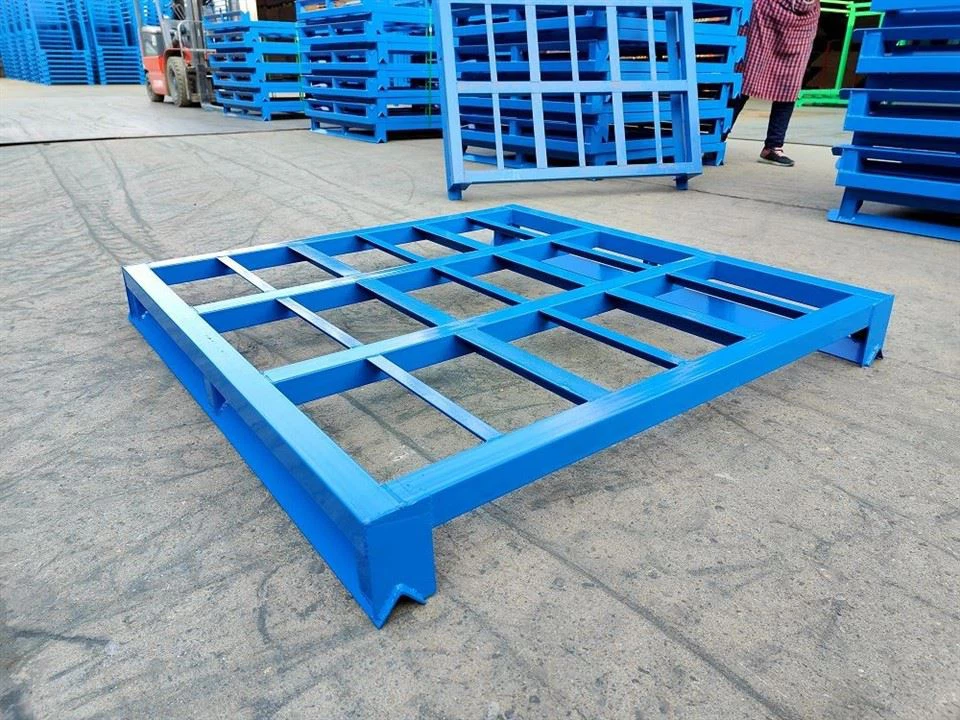
In addition, metal pallets can be designed with smooth edges and surfaces, which reduces the areas where dirt and contaminants can accumulate. Some metal pallets, such as the High Loading Metal Pallet, are engineered to have a sleek and clean design, making them easier to clean and maintain.
Durability and Long - Term Hygiene
Durability is another factor that affects the long - term hygiene of pallets. Wooden pallets are prone to wear and tear, especially in high - traffic areas. As the wood breaks down, it can create splinters and rough surfaces that can trap dirt and bacteria. Over time, damaged wooden pallets may need to be replaced more frequently, which can be costly and may also lead to inconsistent hygiene levels if new pallets are not properly maintained.
Metal pallets, on the other hand, are extremely durable. They can withstand heavy loads, impacts, and harsh environmental conditions without significant damage. This means that they can be used for a longer period, reducing the need for frequent replacements. For example, the Steel Storage Pallet is known for its high strength and long - lasting performance. With proper maintenance, metal pallets can maintain their hygiene standards over many years of use.
Regulatory Compliance
In many industries, there are strict regulations regarding the hygiene of pallets. For example, the food and beverage industry must comply with regulations set by organizations such as the Food and Drug Administration (FDA) in the United States. These regulations require that pallets used in the handling and storage of food products be clean and free from contaminants.
Metal pallets are often more likely to meet these regulatory requirements compared to wooden pallets. Their non - porous surfaces, resistance to pests, and ease of cleaning make them a more reliable option for maintaining compliance. This can save companies from potential fines and legal issues associated with non - compliance.
Cost - Benefit Analysis
While metal pallets may have a higher upfront cost compared to wooden pallets, the long - term cost - benefit analysis often favors metal pallets, especially when considering hygiene factors. The cost of replacing wooden pallets due to damage or contamination, as well as the cost of pest control and cleaning, can add up over time. In contrast, the durability and low maintenance requirements of metal pallets result in lower overall costs in the long run.
Conclusion
In conclusion, metal pallets are indeed more hygienic than wooden pallets. Their non - porous surfaces, resistance to pests, ease of cleaning, and long - term durability make them a superior choice for industries where hygiene is a top priority. As a metal pallet supplier, I am confident in the quality and performance of our products, such as the Metal Steeel Pallet.
If you are looking for a reliable and hygienic pallet solution for your business, I encourage you to consider our metal pallets. We offer a wide range of products to meet your specific needs, and our team of experts can provide you with personalized advice and support. Contact us today to start a discussion about your pallet requirements and how we can help you improve the hygiene and efficiency of your logistics and warehousing operations.

References
- "Pallet Hygiene in the Food Industry," Journal of Food Safety, Vol. XX, Issue XX
- "Comparative Study of Metal and Wooden Pallets in Logistics," International Journal of Logistics Management, Vol. XX, Issue XX
- "Regulatory Requirements for Pallets in the Pharmaceutical Industry," Pharmaceutical Compliance Magazine, Vol. XX, Issue XX