Hey there! I'm a supplier of steel pallets, and today I wanna chat about whether steel pallets are easy to transport in bulk.
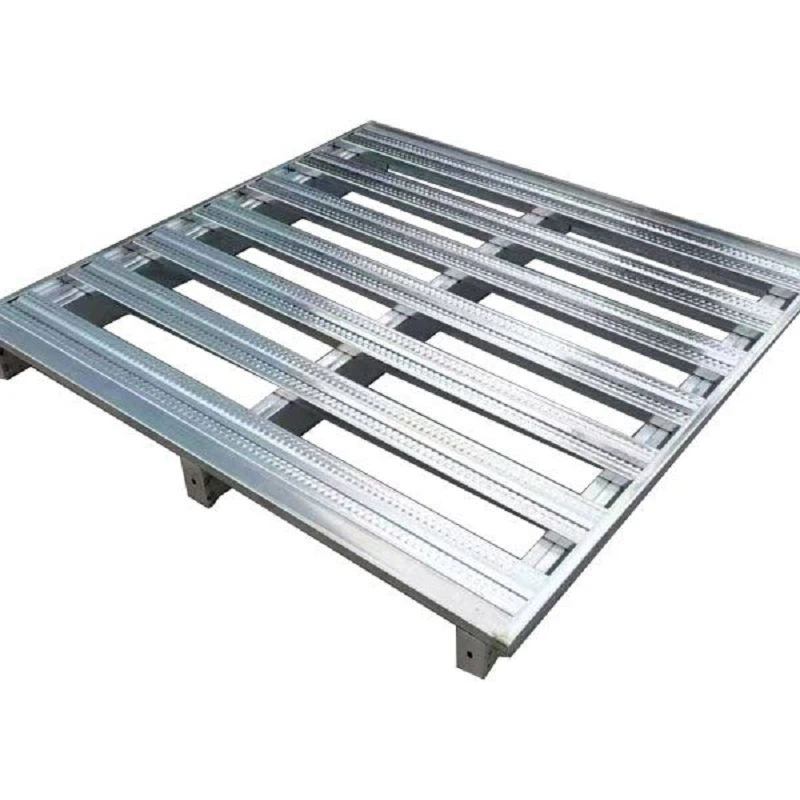
First off, let's talk about what steel pallets are. Steel pallets are sturdy platforms made from steel materials. They're used in a whole bunch of industries for storing and transporting goods. You can check out Storage Steel Pallet for more info on the types available.
So, are they easy to transport in bulk? Well, there are a few factors to consider.
Advantages of Bulk Transport of Steel Pallets
Durability
One of the biggest perks of steel pallets is their durability. They can handle a lot of weight and rough handling without getting damaged easily. This means that when you're transporting them in bulk, you don't have to worry too much about them breaking or getting deformed during the journey. Whether they're stacked on a truck, a train, or a ship, they'll hold up well.
For example, if you're shipping a large quantity of steel pallets across the country, they can withstand the vibrations and jolts of the transportation process. This is a huge advantage compared to other types of pallets, like wooden pallets, which can splinter or break under pressure.
Standardized Sizes
Most steel pallets come in standardized sizes. This is really helpful when it comes to bulk transport. You can stack them neatly and efficiently, making the most of the available space in the transport vehicle. Whether it's a container on a cargo ship or a trailer on a truck, the standardized sizes allow for easy loading and unloading.
Let's say you have a truck with a specific cargo area. You can calculate exactly how many steel pallets can fit based on their standard dimensions. This makes the planning process much simpler and helps you optimize your transport costs.
Compatibility with Handling Equipment
Steel pallets are designed to be compatible with a wide range of handling equipment, such as forklifts and pallet jacks. This is crucial for bulk transport. When you're loading and unloading a large number of pallets, you need equipment that can handle them quickly and safely.
Forklifts can easily pick up multiple steel pallets at once, speeding up the loading and unloading process. And because steel pallets are strong, the handling equipment can operate without the risk of damaging the pallets. This saves time and money, especially when you're dealing with a large quantity of pallets.
Challenges of Bulk Transport of Steel Pallets
Weight
The main drawback of steel pallets is their weight. Steel is a heavy material, and this can make transporting them in bulk more expensive. The weight adds to the overall weight of the cargo, which means you may need a larger and more powerful transport vehicle.
For example, if you're shipping steel pallets by air, the high weight can significantly increase the shipping costs. Even when using trucks or trains, the extra weight may require more fuel, which also adds to the expenses.
Corrosion Risk
Steel pallets are prone to corrosion if they're exposed to moisture or harsh environmental conditions. During bulk transport, especially if the pallets are stored outdoors or in a humid environment, there's a risk of corrosion.
This can not only damage the pallets but also affect the goods they're carrying. To prevent corrosion, you need to take extra precautions, such as using protective coatings or storing the pallets in a dry place. This adds an extra layer of complexity and cost to the bulk transport process.
Space Requirements for Loading and Unloading
Although steel pallets can be stacked efficiently, they still require a certain amount of space for loading and unloading. You need enough room for the handling equipment to maneuver around the pallets.
In some cases, if the loading or unloading area is limited, it can slow down the process. This is something to keep in mind when planning bulk transport, especially if you're dealing with tight spaces.
Tips for Bulk Transport of Steel Pallets
Proper Packaging
To protect the steel pallets during transport, proper packaging is essential. You can use plastic wraps or covers to prevent moisture and dirt from getting on the pallets. This also helps to keep the pallets together and reduces the risk of damage during handling.
Loading and Unloading Planning
Plan the loading and unloading process carefully. Make sure you have enough space and the right equipment. Train your staff on how to handle steel pallets safely and efficiently. This will help to minimize the risk of accidents and damage to the pallets.
Choose the Right Transport Method
Consider the distance, cost, and time constraints when choosing a transport method. For short distances, trucks may be the most convenient option. For long distances or international shipments, ships or trains may be more cost - effective.
Conclusion
So, are steel pallets easy to transport in bulk? Well, it's a bit of a mixed bag. They have a lot of advantages, like durability, standardized sizes, and compatibility with handling equipment. But they also come with challenges, such as weight, corrosion risk, and space requirements.
Overall, with proper planning and precautions, steel pallets can be transported in bulk effectively. If you're in the market for steel pallets and need to transport them in large quantities, I'd be more than happy to help. We can discuss your specific needs and come up with the best transport solution for you.
If you're interested in purchasing steel pallets or have any questions about bulk transport, feel free to reach out. Let's work together to make your logistics process as smooth as possible.

References
- General knowledge about steel pallets and logistics in the industry.
- Industry reports on the use and transport of steel pallets.