


Hey there! As a steel pallet supplier, I often get asked a bunch of questions about our products. One question that pops up quite a bit is, "Are steel pallets resistant to chemicals?" Well, let's dive right into it and find out.
First off, steel pallets are pretty tough. They're made from steel, after all, which is known for its strength and durability. But when it comes to chemicals, it's not as simple as a yes or no answer. It really depends on the type of steel used, the finish on the pallet, and the specific chemicals it's exposed to.
There are different types of steel out there, and each has its own properties. For example, carbon steel is one of the most common types used in pallet manufacturing. It's strong and relatively inexpensive, but it's not the most resistant to corrosion. When carbon steel comes into contact with certain chemicals, especially those that are acidic or alkaline, it can start to rust. Rust is basically the result of the steel reacting with oxygen and water in the presence of these chemicals. And once rust starts, it can weaken the pallet over time.
On the other hand, stainless steel is a different story. Stainless steel contains chromium, which forms a thin, protective layer on the surface of the steel. This layer helps prevent corrosion and makes stainless steel much more resistant to a wide range of chemicals. If you're dealing with harsh chemicals on a regular basis, stainless steel pallets might be a better option. They can withstand exposure to things like acids, alkalis, and even some solvents without getting damaged as easily as carbon steel pallets.
But it's not just about the type of steel. The finish on the pallet also plays a big role in its chemical resistance. Some steel pallets are coated with a protective layer, like powder coating or galvanization. Powder coating is a process where a dry powder is applied to the pallet and then baked on to form a hard, durable finish. This finish can provide an extra layer of protection against chemicals and can also make the pallet easier to clean. Galvanization, on the other hand, involves coating the steel with a layer of zinc. Zinc is a sacrificial metal, which means it will corrode before the steel does. This can help extend the life of the pallet in environments where it's exposed to chemicals.
Now, let's talk about the specific chemicals that steel pallets might come into contact with. In industrial settings, pallets can be exposed to all sorts of chemicals, from cleaning agents to industrial solvents. Some common chemicals include hydrochloric acid, sulfuric acid, sodium hydroxide, and ammonia. These chemicals can have different effects on steel pallets depending on their concentration and the length of exposure.
For example, hydrochloric acid is a strong acid that can react with steel and cause it to corrode quickly. If a carbon steel pallet is exposed to hydrochloric acid, it might start to show signs of rust within a few hours. On the other hand, stainless steel pallets can handle low concentrations of hydrochloric acid for longer periods of time without significant damage.
Sodium hydroxide, which is a strong base, can also be a problem for steel pallets. It can react with the steel and cause it to become brittle over time. Again, stainless steel pallets are more resistant to this type of chemical than carbon steel pallets.
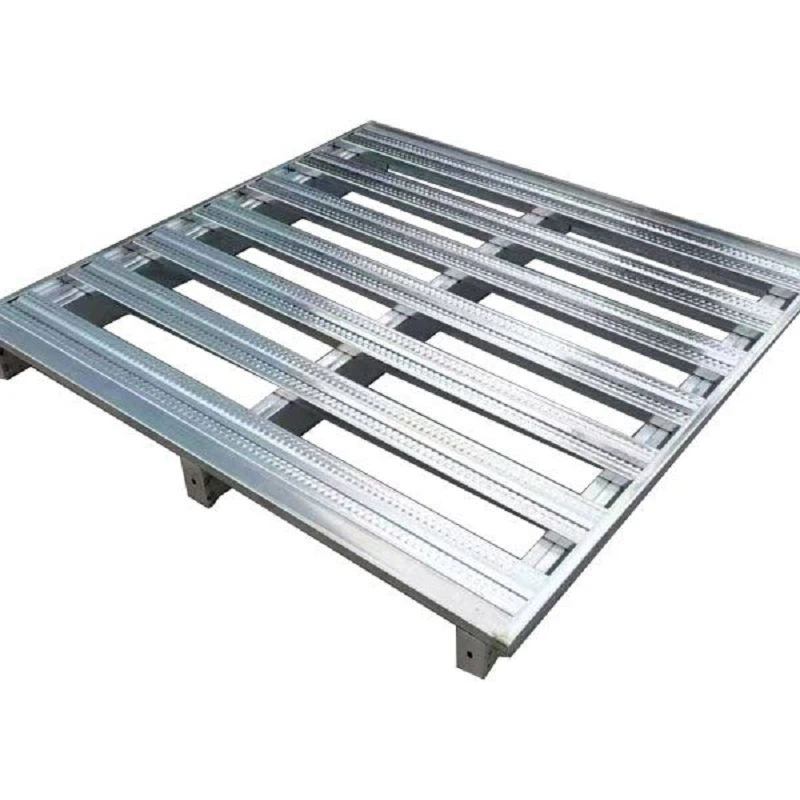

So, as you can see, the answer to the question "Are steel pallets resistant to chemicals?" is a bit complicated. It depends on a lot of factors, including the type of steel, the finish on the pallet, and the specific chemicals it's exposed to. But in general, stainless steel pallets with a protective finish are going to be more resistant to chemicals than carbon steel pallets.
If you're in the market for steel pallets and you're concerned about chemical resistance, it's important to do your research. Talk to a supplier like me who can help you choose the right type of pallet for your needs. We can take into account the chemicals you'll be dealing with, the environment the pallets will be used in, and your budget to find the best solution for you.
And speaking of solutions, if you're looking for a great option for storing your goods on steel pallets, check out our Storage Steel Pallet. These pallets are designed to be strong, durable, and resistant to a variety of chemicals. They're perfect for industrial storage applications where you need to keep your products safe and secure.
So, if you're interested in learning more about our steel pallets or have any questions about chemical resistance, don't hesitate to reach out. We're here to help you find the best pallet solution for your business. Whether you're a small business owner or a large industrial company, we have the expertise and the products to meet your needs.
In conclusion, steel pallets can be resistant to chemicals, but it's important to choose the right type of pallet for your specific situation. By considering the factors we've discussed, you can make an informed decision and ensure that your pallets will last for years to come. So, what are you waiting for? Contact us today and let's start talking about your pallet needs.
References
- "Corrosion of Metals" by Uhlig, H. H.
- "Stainless Steel: A Primer" by ASM International


