


Can a steel stackable rack be used in a printing press?
As a supplier of Steel Stackable Rack, I often receive inquiries from various industries about the applicability of our products. One question that frequently comes up is whether a steel stackable rack can be used in a printing press. In this blog post, I will explore this topic in detail and provide insights based on my experience in the industry.
Understanding the Printing Press Environment
Before delving into the suitability of steel stackable racks for printing presses, it's essential to understand the unique requirements of a printing press environment. Printing presses are complex machines that involve the production of printed materials such as newspapers, magazines, books, and packaging. The process typically involves multiple stages, including pre - press, press, and post - press operations.
In a printing press, there is a need to store a variety of items. These can range from large rolls of paper, which are the primary raw material, to finished printed products, ink cartridges, printing plates, and various tools and spare parts. The storage area needs to be organized efficiently to ensure smooth workflow and quick access to necessary items.
Advantages of Steel Stackable Racks in a Printing Press
Durability
One of the most significant advantages of using steel stackable racks in a printing press is their durability. Steel is a robust material that can withstand heavy loads. In a printing press, large rolls of paper can be extremely heavy, and regular racks may not be able to support their weight over time. Steel stackable racks, on the other hand, are designed to handle such heavy loads without deforming or breaking. This ensures that the stored items are safe and secure, reducing the risk of damage.
Space Utilization
Printing presses often have limited floor space. Steel stackable racks are an excellent solution for maximizing storage space. They can be stacked vertically, allowing for the storage of a large number of items in a relatively small area. For example, instead of having multiple single - level racks taking up a large footprint, stackable racks can be used to create a multi - level storage system. This not only saves space but also makes it easier to organize different types of items.
Flexibility
Steel stackable racks offer a high degree of flexibility. They can be easily reconfigured to accommodate changes in the printing press's storage needs. For instance, if the production volume increases and more space is required for storing finished products, the racks can be rearranged or additional racks can be added. Moreover, the modular design of many steel stackable racks allows for the addition or removal of shelves as needed.
Easy Access
In a printing press, quick access to stored items is crucial to maintain productivity. Steel stackable racks can be designed with open - front or adjustable - shelf configurations, making it easy to reach the stored items. This is especially important when dealing with time - sensitive materials such as printing plates or ink cartridges, which need to be replaced quickly during the printing process.

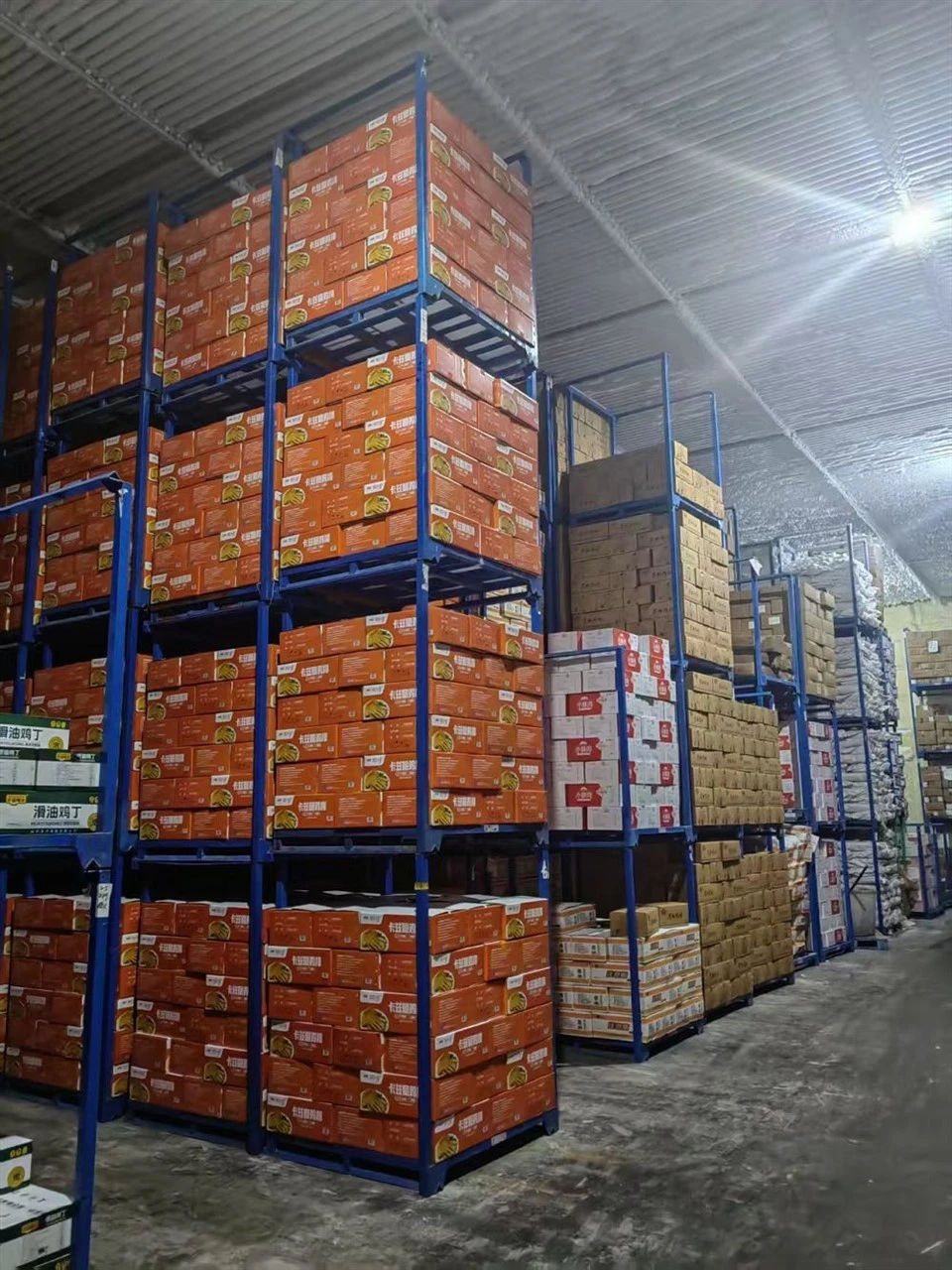
Considerations for Using Steel Stackable Racks in a Printing Press
Weight Distribution
While steel stackable racks are strong, it's important to ensure proper weight distribution. When storing heavy items such as large paper rolls, they should be placed on the lower shelves to maintain stability. Uneven weight distribution can cause the racks to tip over, leading to potential damage to the stored items and the rack itself.
Compatibility with Printing Press Layout
The layout of the printing press needs to be considered when installing steel stackable racks. The racks should be placed in a way that does not obstruct the movement of machinery or workers. For example, they should not block access to emergency exits or interfere with the operation of forklifts or other material - handling equipment.
Corrosion Resistance
In a printing press, there may be exposure to various chemicals such as inks and cleaning agents. These substances can potentially cause corrosion to the steel racks. Therefore, it's advisable to choose steel stackable racks that are coated or treated to resist corrosion. This will ensure the longevity of the racks and prevent damage to the stored items due to rust or other forms of corrosion.
Types of Steel Stackable Racks Suitable for Printing Presses
Stackable Stacking Racks
These racks are designed for easy stacking and can be used to store a variety of items in a printing press. They are available in different sizes and weight capacities, allowing for customization based on the specific storage needs. Stackable stacking racks are often used for storing smaller items such as printing plates, tools, and spare parts.
Sectional Stackable Racking
Sectional stackable racking is ideal for storing larger items such as paper rolls. It consists of multiple sections that can be stacked on top of each other, providing a high - capacity storage solution. The sectional design also allows for easy assembly and disassembly, making it convenient to adjust the storage system as needed.
Conclusion
In conclusion, steel stackable racks can be an excellent choice for use in a printing press. Their durability, space - utilization capabilities, flexibility, and easy access features make them well - suited to the unique requirements of a printing press environment. However, it's important to consider factors such as weight distribution, compatibility with the layout, and corrosion resistance when selecting and installing the racks.
If you are in the printing press industry and are looking for a reliable storage solution, I encourage you to consider our Steel Stackable Rack products. We offer a wide range of options to meet your specific needs. Whether you need to store large paper rolls or small printing plates, our racks can provide a practical and efficient storage solution. Feel free to contact us to discuss your requirements and explore how our steel stackable racks can enhance the organization and productivity of your printing press.
References
- Johnson, R. (2018). Industrial Storage Solutions: A Comprehensive Guide. Publishing House.
- Smith, A. (2020). The Impact of Storage Systems on Manufacturing Productivity. Journal of Industrial Engineering.


