


As a supplier of steel pallets, I've been frequently asked whether steel pallets can be used in the chemical industry. This question is not only relevant but also crucial for those in the chemical sector who are looking for reliable and safe storage and transportation solutions. In this blog, I'll delve into the feasibility of using steel pallets in chemical industries, exploring their advantages, potential challenges, and how they can meet the specific requirements of this demanding field.
Advantages of Steel Pallets in the Chemical Industry
Durability and Strength
One of the primary reasons steel pallets are suitable for the chemical industry is their exceptional durability and strength. Chemical products often come in heavy containers, and steel pallets can easily withstand the weight without deformation. Unlike wooden pallets, which may break or splinter under heavy loads, steel pallets maintain their structural integrity, ensuring the safe storage and transportation of chemicals. For instance, in a chemical manufacturing plant, where large drums of corrosive substances are stored, steel pallets can provide a stable base, reducing the risk of spills and accidents.
Resistance to Corrosion
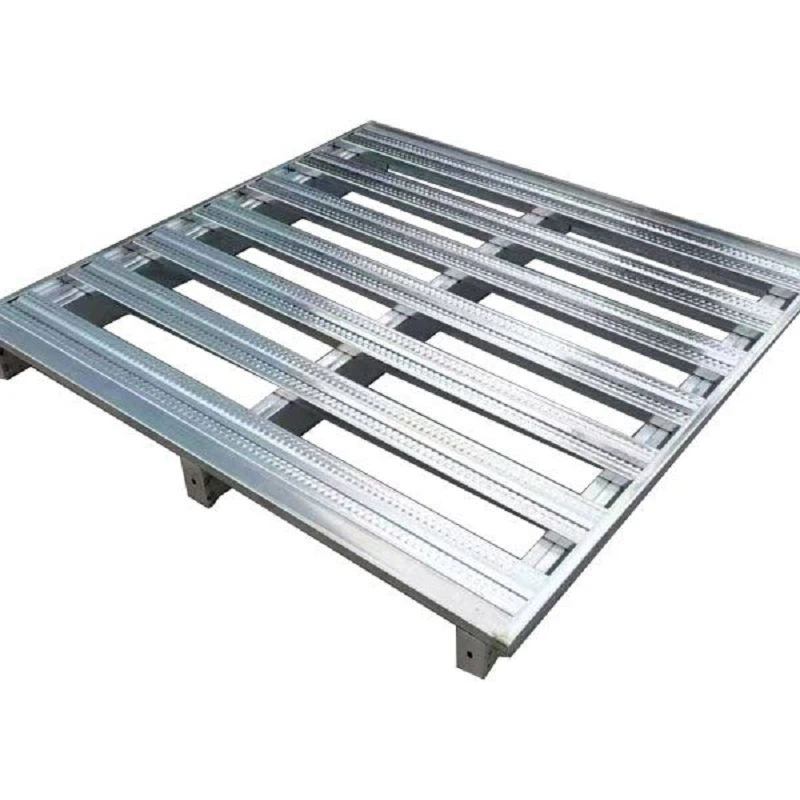
Many chemicals are corrosive, which can quickly damage traditional pallets. However, steel pallets can be treated with special coatings to enhance their resistance to corrosion. For example, galvanized steel pallets have a zinc coating that protects the steel from rust and corrosion, making them ideal for storing and transporting chemicals that may come into contact with moisture or corrosive agents. This resistance to corrosion extends the lifespan of the pallets, reducing the need for frequent replacements and saving costs in the long run.

Hygiene and Cleanliness
The chemical industry has strict hygiene standards, and steel pallets are easier to clean and sanitize compared to other types of pallets. They do not absorb liquids or harbor bacteria, which is crucial for preventing contamination of chemical products. Steel pallets can be easily washed with water and disinfectants, ensuring a clean and safe environment for chemical storage and handling.
Fire Resistance
Fire safety is a major concern in the chemical industry. Steel pallets are inherently fire-resistant, which can help prevent the spread of fire in case of an accident. This is a significant advantage over wooden pallets, which are highly flammable. In a chemical storage facility, the use of steel pallets can provide an additional layer of protection against fire hazards.
Potential Challenges and Solutions
Cost
One of the main challenges of using steel pallets is their higher initial cost compared to wooden pallets. However, it's important to consider the long-term benefits. Steel pallets have a longer lifespan, require less maintenance, and can be reused multiple times, which can offset the initial investment. Additionally, the cost of replacing damaged wooden pallets over time can be significant, making steel pallets a more cost-effective option in the long run.
Weight
Steel pallets are heavier than wooden pallets, which can increase transportation costs. However, this can be mitigated by optimizing the design of the pallets to reduce weight without compromising strength. For example, using lightweight steel alloys or innovative structural designs can help reduce the weight of the pallets while maintaining their load-bearing capacity.
Compatibility with Handling Equipment
Some handling equipment may be designed for use with wooden pallets, and there may be compatibility issues when using steel pallets. However, most modern handling equipment can be easily adapted to handle steel pallets. Additionally, there are specialized handling equipment available that is specifically designed for steel pallets, ensuring smooth and efficient operations.
Meeting the Specific Requirements of the Chemical Industry
Customization
The chemical industry has diverse requirements, and steel pallets can be customized to meet these specific needs. For example, pallets can be designed with specific dimensions, load capacities, and features such as anti-slip surfaces or special coatings. This customization ensures that the pallets are tailored to the unique requirements of each chemical product and application.
Compliance with Regulations
The chemical industry is subject to strict regulations regarding the storage and transportation of chemicals. Steel pallets can be designed and manufactured to comply with these regulations, ensuring that they meet the necessary safety and environmental standards. For example, pallets can be designed to prevent the leakage of chemicals and to be easily cleaned and disinfected to meet hygiene requirements.
Conclusion
In conclusion, steel pallets are a viable option for the chemical industry. Their durability, resistance to corrosion, hygiene, and fire resistance make them well-suited for storing and transporting chemical products. While there are some challenges, such as cost and weight, these can be overcome through careful planning and design. As a steel pallet supplier, I am committed to providing high-quality pallets that meet the specific needs of the chemical industry. If you are in the chemical industry and looking for a reliable and safe storage and transportation solution, I encourage you to consider using steel pallets. You can learn more about our Storage Steel Pallet on our website.
If you have any questions or would like to discuss your specific requirements, please feel free to contact us. We are here to help you find the best solution for your chemical storage and transportation needs.
References
- "Pallet Selection Guide for the Chemical Industry," Chemical Industry Association, 2023.
- "The Benefits of Steel Pallets in Industrial Applications," Journal of Industrial Materials, 2022.
- "Fire Safety in the Chemical Industry," National Fire Protection Association, 2021.


