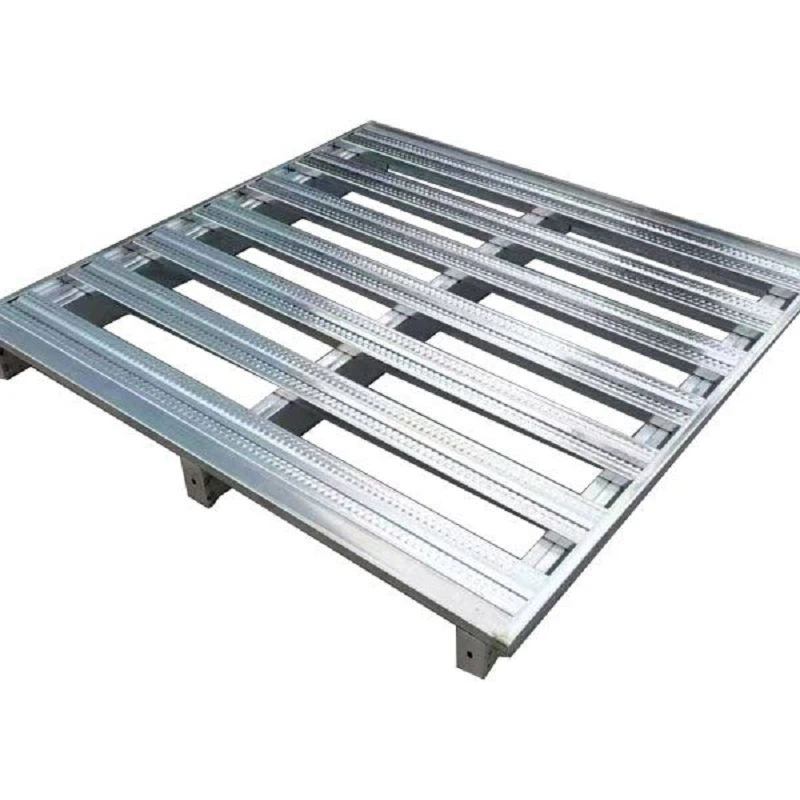
Can storage steel pallets be used in the aerospace industry? This is a question that has intrigued many in both the aerospace and material handling sectors. As a supplier of Storage Steel Pallets, I've had numerous discussions with clients from various industries, and the aerospace industry's potential use of our products is an area of growing interest.
The Unique Requirements of the Aerospace Industry
The aerospace industry is known for its strict standards and high - precision requirements. Components used in aircraft manufacturing, maintenance, and storage must adhere to rigorous quality and safety regulations. For instance, the Federal Aviation Administration (FAA) in the United States and the European Union Aviation Safety Agency (EASA) in Europe have comprehensive guidelines that cover everything from the materials used to the manufacturing processes.
In terms of storage and handling, aerospace parts are often delicate, expensive, and require specific environmental conditions. They need to be protected from damage, contamination, and corrosion. Additionally, the weight and balance of pallets are crucial, especially when it comes to transporting parts within an aircraft manufacturing facility or during air transportation.
Advantages of Storage Steel Pallets for the Aerospace Industry
Durability and Strength
One of the primary advantages of storage steel pallets is their exceptional durability. Steel is a robust material that can withstand heavy loads and rough handling. In the aerospace industry, where large and heavy components such as engine parts, wing sections, and landing gear are common, steel pallets can provide the necessary support. They are less likely to break or deform compared to pallets made of other materials like wood or plastic, which is essential for protecting valuable aerospace components.
Resistance to Environmental Factors
Aerospace parts are often stored in environments where they may be exposed to moisture, chemicals, and extreme temperatures. Steel pallets are highly resistant to these environmental factors. They can be treated with anti - corrosion coatings to prevent rust and degradation, ensuring that they can maintain their integrity over long periods of storage. This is particularly important for parts that are stored for extended periods before being installed in an aircraft.
Hygiene and Cleanliness
The aerospace industry has strict hygiene requirements to prevent contamination of sensitive components. Steel pallets are easy to clean and sanitize, making them an ideal choice for this industry. Unlike wooden pallets, which can harbor bacteria, fungi, and insects, steel pallets can be wiped down with disinfectants and are less likely to accumulate dirt and debris.
Customizability
Storage steel pallets can be customized to meet the specific needs of the aerospace industry. They can be designed with specific dimensions, load capacities, and features such as built - in fixtures to hold aerospace components securely. For example, pallets can be engineered to accommodate the unique shapes of engine blades or the large dimensions of fuselage sections.
Challenges and Considerations
Weight
While the strength of steel pallets is an advantage, their weight can be a drawback in some cases. In the aerospace industry, where weight is a critical factor, especially during air transportation, the additional weight of steel pallets may need to be carefully considered. However, advancements in steel manufacturing have led to the development of lighter - weight steel alloys that can provide the necessary strength while reducing the overall weight of the pallets.

Cost
Steel pallets generally have a higher upfront cost compared to wooden or plastic pallets. However, when considering the long - term benefits such as durability, resistance to environmental factors, and reduced need for replacement, the total cost of ownership may be comparable or even lower. Additionally, the protection of valuable aerospace components can offset the initial investment.
Compatibility with Existing Systems
Integrating steel pallets into existing aerospace storage and handling systems may require some adjustments. For example, the handling equipment such as forklifts and conveyor systems may need to be compatible with the weight and dimensions of the steel pallets. However, most modern handling equipment can be easily adapted to handle steel pallets.
Case Studies
There are already some examples of the aerospace industry using storage steel pallets. For instance, a major aircraft manufacturer has started using custom - designed steel pallets to store and transport engine components. These pallets have been designed to fit precisely into the storage racks in their facilities and are equipped with shock - absorbing features to protect the sensitive engine parts during transportation. As a result, they have reported a significant reduction in component damage and an improvement in overall efficiency.
Future Trends
The future looks promising for the use of storage steel pallets in the aerospace industry. With the continuous development of new steel materials and manufacturing techniques, we can expect even lighter, stronger, and more cost - effective steel pallets. Additionally, as the aerospace industry continues to grow and become more competitive, the need for reliable and high - quality storage and handling solutions will only increase.
Conclusion
In conclusion, storage steel pallets have great potential for use in the aerospace industry. Their durability, resistance to environmental factors, hygiene, and customizability make them a suitable choice for storing and transporting valuable aerospace components. While there are some challenges such as weight and cost, these can be mitigated through technological advancements and careful planning.
If you are in the aerospace industry and are interested in exploring the use of Storage Steel Pallets for your storage and handling needs, I encourage you to reach out. We can work together to understand your specific requirements and provide customized solutions that meet the strict standards of the aerospace industry. Let's start a conversation about how our storage steel pallets can enhance your operations and protect your valuable aerospace components.
References
- Federal Aviation Administration (FAA) regulations.
- European Union Aviation Safety Agency (EASA) guidelines.
- Industry reports on material handling in the aerospace sector.