


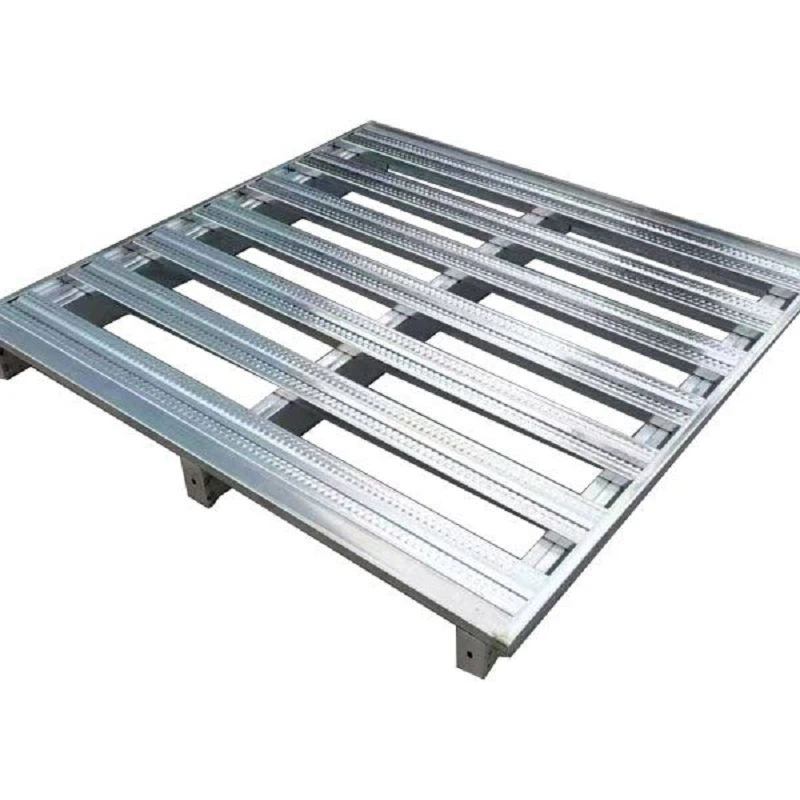
As a supplier of Storage Steel Pallets, I often get asked whether these pallets can be used in the chemical industry. It's a valid question, considering the unique requirements and challenges presented by this sector. In this blog post, I'll delve into the details to provide a comprehensive answer.
Understanding the Chemical Industry's Requirements
The chemical industry deals with a wide range of substances, from corrosive acids and alkalis to flammable solvents and reactive compounds. These chemicals demand strict safety and handling protocols. Storage conditions are crucial, as improper storage can lead to chemical reactions, spills, and even explosions. Therefore, any storage equipment used in this industry must meet high - standards of durability, chemical resistance, and safety.
Advantages of Storage Steel Pallets in the Chemical Industry
Durability
One of the primary advantages of Storage Steel Pallets is their exceptional durability. Steel is a strong and robust material that can withstand heavy loads. In the chemical industry, where large containers of chemicals are often stored, the ability to bear significant weight is essential. Unlike wooden pallets, which can break or splinter under heavy stress, steel pallets maintain their structural integrity, reducing the risk of product damage during storage and transportation.
Chemical Resistance
Many steel pallets can be treated with special coatings to enhance their chemical resistance. For example, galvanized steel pallets have a zinc coating that provides a protective barrier against corrosion. This is particularly important when dealing with chemicals that can corrode metal over time. Additionally, powder - coated steel pallets offer an extra layer of protection. The powder coating acts as a shield, preventing direct contact between the steel and the chemicals, thus extending the lifespan of the pallet.
Hygiene
Hygiene is a critical factor in the chemical industry. Steel pallets are easy to clean and sanitize, which helps prevent the growth of bacteria and the accumulation of contaminants. Unlike wooden pallets, which can absorb liquids and harbor dirt, steel pallets can be washed with water and cleaning agents, ensuring a clean storage environment for chemicals.
Fire Resistance
Steel is a non - combustible material, making steel pallets a safer option in the chemical industry, where flammable substances are common. In the event of a fire, steel pallets will not contribute to the spread of flames, providing an additional layer of safety for both the stored chemicals and the facility.
Challenges and Considerations
Initial Cost
One of the main challenges of using storage steel pallets in the chemical industry is the initial cost. Steel pallets are generally more expensive than wooden pallets. However, it's important to consider the long - term benefits. The durability and longevity of steel pallets mean that they may require less frequent replacement, which can offset the higher upfront cost over time.
Compatibility with Chemicals
Not all steel pallets are suitable for all chemicals. Some highly corrosive chemicals may require specialized coatings or materials. It's crucial to carefully assess the compatibility of the steel pallet with the specific chemicals being stored. This may involve consulting with chemical experts or conducting compatibility tests to ensure that the pallet will not react with the chemicals.

Weight
Steel pallets are heavier than wooden pallets. While this can be an advantage in terms of stability, it may also pose challenges in terms of transportation and handling. Extra care must be taken when moving steel pallets, and the equipment used for lifting and transporting them must be capable of handling the additional weight.
Case Studies
To illustrate the practical use of storage steel pallets in the chemical industry, let's look at a few case studies.
A chemical manufacturing plant was using wooden pallets to store their chemical products. However, they were facing issues with pallet breakage and corrosion due to the exposure to corrosive chemicals. After switching to Storage Steel Pallets with a special powder - coated finish, they noticed a significant reduction in pallet damage. The new pallets were able to withstand the weight of the chemical containers and the corrosive environment, resulting in fewer product losses and a more efficient storage system.
Another chemical distribution company was concerned about fire safety. They replaced their wooden pallets with steel pallets, which provided an added layer of protection in case of a fire. The non - combustible nature of the steel pallets gave them peace of mind and helped them meet the strict fire safety regulations in the industry.
Conclusion
In conclusion, storage steel pallets can indeed be used in the chemical industry. Their durability, chemical resistance, hygiene, and fire resistance make them a suitable choice for storing and transporting chemicals. However, it's important to carefully consider the challenges, such as initial cost, chemical compatibility, and weight. By making informed decisions and choosing the right type of steel pallet for the specific chemical applications, companies in the chemical industry can benefit from the many advantages that steel pallets offer.
If you're in the chemical industry and are considering using storage steel pallets for your operations, I encourage you to reach out. Our team of experts can help you select the most suitable pallets for your specific needs. Whether you need pallets with special coatings for highly corrosive chemicals or pallets with a specific load - bearing capacity, we have the solutions. Contact us today to start a discussion about your storage requirements and explore how our Storage Steel Pallets can improve your chemical storage and handling processes.
References
- "Chemical Storage and Handling Best Practices", Chemical Safety Association.
- "Materials for Chemical Industry Storage", Journal of Chemical Engineering.
- "Steel Pallets: A Comprehensive Guide", Industrial Pallet Manufacturers Association.


