


Hey there! As a supplier of Stackable Stacking Racks, I often get asked a bunch of questions from customers. One question that pops up quite a bit is, "Do stackable stacking racks have a heat - resistant feature?" Well, let's dig into this topic and find out.
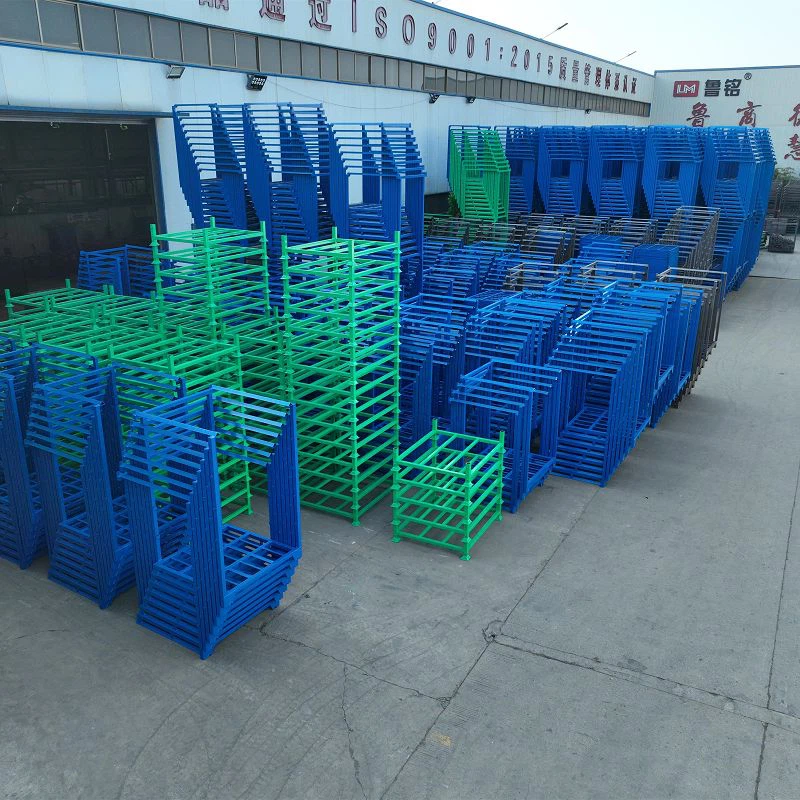
First off, let's talk about what stackable stacking racks are. These are super - handy storage solutions that you can stack on top of each other to save space. You can check out our Stackable Stacking Racks on our website. They come in different materials, like steel and metal, which brings us to the heat - resistance part.
Heat Resistance of Different Materials
Steel Stackable Racks
Steel is a common material for stackable racks. Our Steel Stackable Rack is known for its strength and durability. But how does it hold up against heat?
Steel has a relatively high melting point. Most steels start to lose their strength at around 400 - 600 degrees Celsius. However, this doesn't mean they're heat - resistant in all situations. For normal, everyday use in a warehouse or storage facility where the temperature is within the normal range (say, between 10 - 30 degrees Celsius), steel racks can handle it just fine.
But if you're planning to use these racks in an environment with high heat, like near a furnace or in a foundry, you've got to be careful. Prolonged exposure to high temperatures can cause the steel to expand. This expansion can lead to warping of the rack structure. If the rack warps, it might not be as stable, and there's a risk of items falling off.
Also, the surface coating on steel racks can be affected by heat. Some coatings are designed to protect the steel from rust and corrosion, but high heat can damage these coatings. Once the coating is gone, the steel is more vulnerable to rust, which can further weaken the rack over time.
Metal Stack Racks
Our Metal Stack Rack can be made from different types of metals. Aluminum is another metal that's sometimes used in stackable racks. Aluminum has a lower melting point compared to steel, around 660 degrees Celsius.
In a normal storage setting, aluminum racks are great. They're lightweight and easy to move around. But when it comes to heat, they're even more sensitive than steel. At relatively lower high temperatures, aluminum can start to soften. This softening can cause the rack to lose its shape and structural integrity.
On the other hand, some metal alloys used in stackable racks can have better heat - resistant properties. These alloys are specifically engineered to withstand higher temperatures. They might contain elements like chromium, nickel, or molybdenum, which can improve the heat resistance of the metal.

Factors Affecting Heat Resistance
It's not just the material that affects the heat resistance of stackable stacking racks. There are other factors too.
Duration of Heat Exposure
Even if a rack is made of a material with good heat - resistant properties, long - term exposure to high heat can still cause problems. For example, if a steel rack is exposed to temperatures around 300 degrees Celsius for a few hours, it might not show any significant damage. But if it's exposed to the same temperature for days or weeks, the metal will start to degrade.
Intensity of Heat
The higher the temperature, the more quickly the rack will be affected. A rack that can withstand 200 degrees Celsius for a reasonable amount of time might fail within minutes at 500 degrees Celsius. So, it's important to know the maximum temperature in the environment where you're going to use the rack.
Type of Heat Source
The type of heat source also matters. For example, radiant heat from a large industrial heater is different from conductive heat from direct contact with a hot object. Radiant heat can heat up the rack evenly from a distance, while conductive heat can cause localized damage at the point of contact.
When Heat - Resistant Racks Are Necessary
There are some industries where heat - resistant stackable stacking racks are a must.
Food Processing
In food processing plants, there are often areas with high temperatures, like ovens or cooking areas. Stackable racks are used to store ingredients and finished products. If the racks aren't heat - resistant, they can warp or contaminate the food. For example, if a rack made of a non - heat - resistant metal warps near an oven, it can cause food containers to fall and spill, leading to waste and potential safety hazards.
Chemical Manufacturing
Chemical manufacturing facilities can have areas with high - temperature reactions. Racks are used to store chemicals and equipment. Heat - resistant racks are needed to ensure the stability of the stored items and to prevent any chemical spills that could be dangerous.
Automotive Manufacturing
In automotive manufacturing plants, there are processes like welding and painting that generate a lot of heat. Stackable racks are used to store parts and tools. Heat - resistant racks can prevent damage to the racks and the items they hold during these high - temperature processes.
How to Choose Heat - Resistant Racks
If you need heat - resistant stackable stacking racks, here are some tips.
Know Your Temperature Requirements
First, figure out the maximum temperature in the environment where the racks will be used. This will help you choose the right material. If the temperature is relatively low (below 200 degrees Celsius), a well - coated steel rack might be sufficient. But if the temperature is higher, you might need a rack made from a heat - resistant alloy.
Look for Special Coatings
Some racks come with special heat - resistant coatings. These coatings can provide an extra layer of protection against high temperatures. They can slow down the degradation of the metal and prevent rust.
Check for Certification
Some heat - resistant racks are certified to meet certain industry standards. Look for racks with certifications related to heat resistance. This can give you peace of mind that the racks will perform as expected.
Conclusion
So, do stackable stacking racks have a heat - resistant feature? Well, it depends on the material and the design. Steel and aluminum racks have different levels of heat resistance, and there are other factors like duration, intensity, and type of heat source that come into play.
If you're in an industry where high temperatures are a concern, it's crucial to choose the right heat - resistant stackable stacking racks. At our company, we offer a variety of options to meet different heat - resistance requirements. Whether you need a Stackable Stacking Racks, Steel Stackable Rack, or Metal Stack Rack, we can help you find the perfect solution.
If you're interested in purchasing stackable stacking racks or have any questions about heat - resistant options, feel free to reach out to us. We're here to assist you with all your storage needs.
References
- "Materials Science and Engineering: An Introduction" by William D. Callister Jr. and David G. Rethwisch.
- Industry reports on stackable rack usage in high - temperature environments.


