


As a supplier of Steel Storage Pallets, I often encounter inquiries about the environmental impact of our products, specifically regarding their carbon footprint. In this blog post, I'll delve into the question: Do steel storage pallets have a high carbon footprint?
Understanding Carbon Footprint
Before we assess the carbon footprint of steel storage pallets, it's essential to understand what a carbon footprint is. A carbon footprint is the total amount of greenhouse gases, primarily carbon dioxide (CO₂), emitted directly or indirectly by an individual, organization, event, or product throughout its life cycle. This includes raw material extraction, production, transportation, use, and disposal.
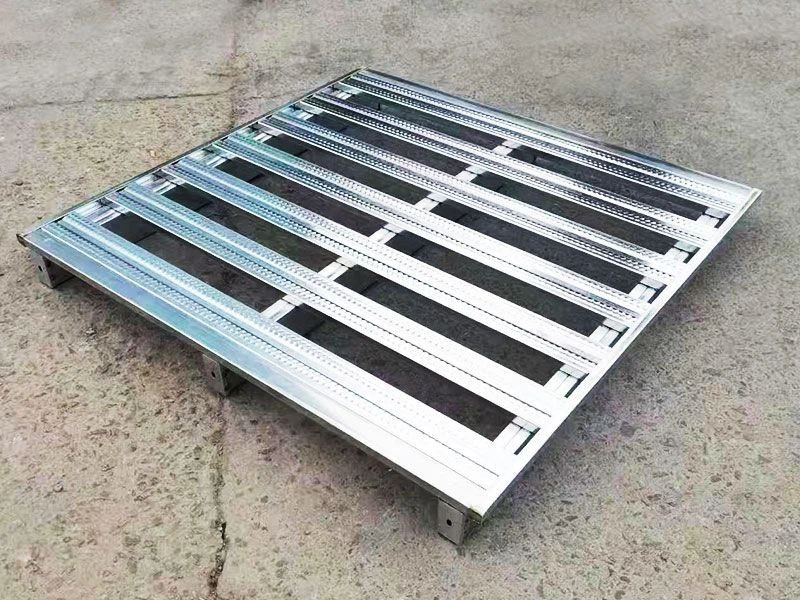

The Production of Steel Storage Pallets
The production of steel is an energy - intensive process. Iron ore, the primary raw material for steel, is mined from the earth. The extraction of iron ore involves heavy machinery, which consumes a significant amount of fossil fuels, leading to CO₂ emissions. Once the iron ore is mined, it is transported to a steel mill, where it undergoes a series of processes to be converted into steel.
The basic oxygen furnace (BOF) and the electric arc furnace (EAF) are the two main methods of steel production. The BOF method, which uses iron ore and coke, emits a relatively high amount of CO₂. On the other hand, the EAF method, which uses scrap steel as its main input, has a lower carbon footprint. As a supplier, we are increasingly using the EAF method to produce our Steel Storage Pallet to reduce the environmental impact.
Transportation and Distribution
After the steel storage pallets are produced, they need to be transported to our customers. The transportation process, whether by truck, train, or ship, also contributes to the carbon footprint. However, steel pallets are relatively durable and can be reused multiple times. This means that the carbon emissions associated with transportation are spread over a longer period of use compared to single - use pallets.
Durability and Reusability
One of the significant advantages of steel storage pallets is their durability. Steel pallets can withstand heavy loads, rough handling, and harsh environmental conditions. They have a much longer lifespan compared to wooden or plastic pallets. A single steel pallet can be used hundreds or even thousands of times before it needs to be replaced.
This high level of reusability reduces the need for frequent production of new pallets. When we consider the life - cycle carbon footprint, the fact that steel pallets can be reused many times offsets the initial high carbon emissions from production. In contrast, wooden pallets often need to be replaced more frequently due to wear and tear, and plastic pallets may not be as easily recyclable.
Recycling
Steel is one of the most recycled materials in the world. At the end of their useful life, steel storage pallets can be recycled into new steel products. Recycling steel requires significantly less energy compared to producing steel from raw materials. In fact, recycling steel can save up to 75% of the energy required for primary steel production.
When our customers no longer need their steel pallets, they can be sent to a recycling facility. The recycled steel can then be used to manufacture new Metal Steeel Pallet, reducing the overall demand for virgin steel and lowering the carbon footprint.
Comparing with Other Pallet Materials
Let's compare steel storage pallets with wooden and plastic pallets in terms of carbon footprint.
Wooden pallets are often considered a more "natural" option. However, the production of wooden pallets involves deforestation, which contributes to the loss of carbon - sequestering trees. Additionally, wooden pallets have a shorter lifespan and may need to be treated with chemicals to prevent decay, which also has environmental implications.
Plastic pallets are lightweight and easy to handle, but their production is based on fossil fuels. Plastic is not as easily recyclable as steel, and a significant amount of plastic waste ends up in landfills or the ocean, contributing to environmental pollution.
In comparison, steel storage pallets, despite their relatively high initial carbon emissions during production, have a lower overall carbon footprint when considering their long - term use and recyclability.
Our Commitment to Sustainability
As a supplier of Chuan - Type Metal Pallets, we are committed to reducing the carbon footprint of our products. We are constantly looking for ways to improve our production processes, such as using more energy - efficient technologies and increasing the use of recycled steel.
We also encourage our customers to recycle their steel pallets at the end of their useful life. By working together, we can minimize the environmental impact of our products and contribute to a more sustainable future.
Conclusion
In conclusion, while steel storage pallets do have a relatively high carbon footprint during the production phase, their durability, reusability, and recyclability make them a more environmentally friendly option in the long run compared to wooden and plastic pallets. As a supplier, we are taking steps to further reduce the carbon footprint of our products and promote sustainable practices.
If you are interested in purchasing steel storage pallets and want to discuss how we can meet your needs while minimizing the environmental impact, we welcome you to contact us for a procurement discussion. We are ready to provide you with high - quality products and professional services.
References
- World Steel Association. (2023). Steel: The Sustainable Material.
- Environmental Protection Agency. (2023). Recycling Basics.
- International Energy Agency. (2023). Energy Efficiency in the Steel Industry.


