


When it comes to material handling and storage solutions, steel pallets stand out as a reliable and durable option. As a steel pallet supplier, I understand the importance of helping customers choose the right steel pallet for their specific needs. In this blog post, I'll share some key factors to consider when making this important decision.
Load Capacity
One of the most crucial aspects of choosing a steel pallet is its load capacity. Different applications require different load-bearing capabilities. For example, if you're dealing with heavy machinery or large quantities of goods, you'll need a pallet with a high load capacity. On the other hand, for lighter loads, a pallet with a lower capacity might be sufficient.
It's important to accurately assess the weight of the items you'll be placing on the pallet. Consider both the static load (the weight when the pallet is stationary) and the dynamic load (the weight when the pallet is being moved, such as on a forklift). Make sure to choose a pallet that can handle the maximum load you expect to place on it, with some margin for safety.

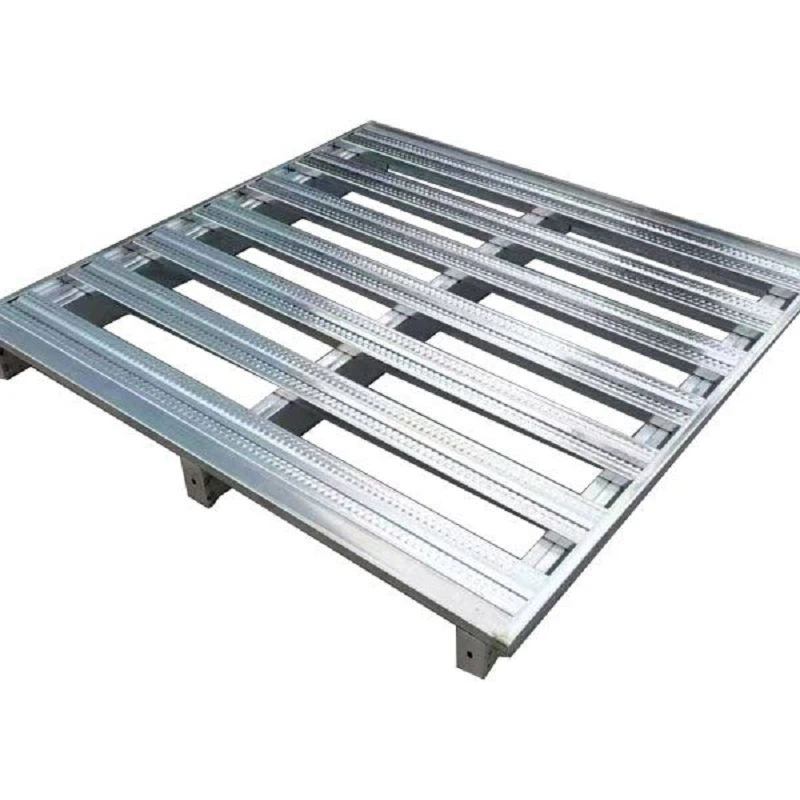
Size and Dimensions
The size and dimensions of the steel pallet are also important considerations. You need to ensure that the pallet fits your storage space and the equipment you'll be using to handle it. For example, if you're using a forklift, the pallet's fork entry dimensions must be compatible with the forklift's forks.
Common pallet sizes include standard dimensions like 48" x 40" in the United States. However, there are also custom sizes available to meet specific requirements. Consider the space available in your warehouse or storage area, as well as the dimensions of the goods you'll be storing on the pallet.
Construction and Design
The construction and design of the steel pallet can significantly impact its performance and durability. Look for pallets that are well-constructed with high-quality materials. Welded joints are generally stronger and more durable than riveted joints.
Some steel pallets are designed with specific features to enhance their functionality. For example, some pallets have a smooth surface to prevent damage to the goods, while others have reinforced corners for added strength. Consider the specific needs of your application and choose a pallet with the appropriate design features.
Corrosion Resistance
Since steel pallets are often used in industrial environments, corrosion resistance is an important factor to consider. Steel pallets can be coated with various materials to protect them from rust and corrosion. Galvanized steel pallets are a popular choice as they have a zinc coating that provides excellent corrosion resistance.
If your pallets will be exposed to harsh conditions, such as moisture or chemicals, it's essential to choose a pallet with a high level of corrosion resistance. This will ensure that the pallets last longer and maintain their structural integrity.
Cost
Cost is always a consideration when making any purchasing decision. While steel pallets may be more expensive than other types of pallets, such as wooden or plastic pallets, they offer long-term value due to their durability and strength.
When comparing costs, consider the total cost of ownership, including factors such as maintenance, replacement, and lost productivity due to pallet failure. A higher-quality steel pallet may cost more upfront but can save you money in the long run.
Compatibility with Handling Equipment
Ensure that the steel pallet is compatible with the handling equipment you'll be using. This includes forklifts, pallet jacks, and conveyors. Check the fork entry dimensions, as well as the height and weight of the pallet, to ensure smooth operation with your equipment.
Environmental Considerations
In today's environmentally conscious world, it's important to consider the environmental impact of your pallet choice. Steel pallets are highly recyclable, which makes them a more sustainable option compared to some other types of pallets.
If sustainability is a priority for your business, choosing a steel pallet can help you reduce your environmental footprint. Additionally, steel pallets are often made from recycled materials, further contributing to their eco-friendliness.
Industry Standards and Regulations
Make sure the steel pallets you choose comply with relevant industry standards and regulations. This ensures that the pallets are safe and reliable for use in your specific application.
Customization Options
Some applications may require custom steel pallets. As a steel pallet supplier, we offer a range of customization options to meet your specific needs. Whether you need a pallet with a unique size, shape, or design, we can work with you to create a solution that fits your requirements.
Conclusion
Choosing the right steel pallet is a critical decision that can impact the efficiency and safety of your material handling operations. By considering factors such as load capacity, size and dimensions, construction and design, corrosion resistance, cost, compatibility with handling equipment, environmental considerations, industry standards, and customization options, you can make an informed choice.
If you're in the market for steel pallets, I encourage you to [contact us](insert appropriate contact information) to discuss your specific needs. Our team of experts is here to help you find the perfect steel pallet solution for your business.
References
- "Steel Pallets: A Guide to Selection and Use." Material Handling Industry of America.
- "Best Practices for Choosing the Right Pallet." Logistics Management.


