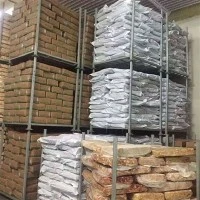
When it comes to running a warehouse or storage facility, selecting the right sectional racking system is crucial for optimizing space, ensuring safety, and streamlining operations. As a sectional racking supplier, I understand the challenges businesses face in evaluating different brands. In this blog post, I'll share some key factors to consider when evaluating the performance of sectional racking brands.
1. Structural Integrity and Load Capacity
One of the primary considerations when choosing a sectional racking brand is its structural integrity and load capacity. The racking system must be able to withstand the weight of the stored goods without deformation or failure. A reliable brand will conduct rigorous testing to ensure that their racks meet or exceed industry standards for load capacity.
Look for brands that provide detailed load capacity charts for their products. These charts should specify the maximum weight that can be safely stored on each level of the rack, as well as the overall weight capacity of the entire system. Additionally, consider the type of goods you'll be storing. For example, if you're storing heavy or bulky items, you'll need a rack with a higher load capacity.
Some brands may offer custom-designed racking solutions to meet specific load requirements. This can be particularly beneficial for businesses with unique storage needs. However, it's important to ensure that the custom-designed racks are still engineered to meet industry standards.
2. Durability and Material Quality
The durability of a sectional racking system is directly related to the quality of the materials used in its construction. High-quality materials will resist corrosion, wear, and tear, ensuring a longer lifespan for the racking.
Common materials used in sectional racking include steel and aluminum. Steel is a popular choice due to its strength and durability. Look for racks made from high-grade steel that has been properly treated to prevent rust and corrosion. For example, Hot-Dip Galvanized Detachable Rack is coated with a layer of zinc through the hot-dip galvanizing process, which provides excellent corrosion resistance, making it suitable for use in harsh environments.
Aluminum racks are lighter in weight and offer good corrosion resistance, but they may not be as strong as steel racks. They are often used in applications where weight is a concern, such as in mobile racking systems.
In addition to the material, pay attention to the manufacturing process. A well-constructed rack will have precise welds, smooth finishes, and tight tolerances. This ensures that the rack is stable and secure.
3. Ease of Installation and Assembly
The ease of installation and assembly is another important factor to consider when evaluating sectional racking brands. A brand that offers easy-to-install racks can save you time and money on installation costs.


Look for racks that come with clear and detailed installation instructions. Some brands may even offer installation services or training to ensure that the racks are installed correctly. Additionally, consider the modularity of the racking system. Modular racks can be easily assembled and disassembled, making them ideal for businesses that may need to reconfigure their storage space in the future.
For example, Powder-Coated Plug-in Racking features a plug-in design that allows for quick and easy installation. The components can be simply plugged together without the need for complex tools or welding.
4. Flexibility and Customization Options
Every warehouse has unique storage requirements, so it's important to choose a sectional racking brand that offers flexibility and customization options. A brand that can tailor its products to meet your specific needs will ensure that you get the most out of your storage space.
Some brands offer a wide range of racking configurations, including different heights, widths, and depths. This allows you to choose the racking system that best suits your available space and the size of your stored goods. Additionally, look for brands that offer optional accessories, such as shelves, dividers, and bin systems. These accessories can help you further customize the racking system to meet your specific storage needs.
For instance, Warehouse Detachable Rack can be easily customized with various accessories to create a storage solution that is tailored to your warehouse layout and inventory. Whether you need to store small parts or large pallets, the detachable design allows for easy reconfiguration and expansion.
5. Safety Features
Safety should always be a top priority when it comes to warehouse storage. A good sectional racking brand will incorporate a variety of safety features into its products to prevent accidents and ensure the well-being of your employees.
Look for racks that have features such as safety pins, anti-tip devices, and load backstops. Safety pins are used to secure the beams to the uprights, preventing them from accidentally dislodging. Anti-tip devices help to prevent the rack from tipping over, especially when it is fully loaded. Load backstops are installed at the back of the rack to prevent goods from falling off the back.
In addition to these features, consider the brand's commitment to safety standards. A reputable brand will comply with all relevant safety regulations and may even exceed them. Look for certifications such as ISO 9001 (Quality Management System) and CE (Conformité Européene), which indicate that the brand's products meet high-quality and safety standards.
6. Customer Support and After-Sales Service
Finally, don't overlook the importance of customer support and after-sales service when evaluating sectional racking brands. A brand that provides excellent customer support can help you with everything from product selection to installation and maintenance.
Look for brands that offer responsive customer service, with knowledgeable staff who can answer your questions and provide technical assistance. Additionally, consider the brand's warranty policy. A good warranty will give you peace of mind knowing that you're protected in case of any defects or issues with the racking system.
Some brands may also offer maintenance and repair services. This can be particularly beneficial for businesses that don't have the in-house expertise or resources to maintain their own racking systems.
Conclusion
Evaluating the performance of sectional racking brands requires careful consideration of several factors, including structural integrity, durability, ease of installation, flexibility, safety features, and customer support. As a sectional racking supplier, I recommend taking the time to research different brands and compare their products based on these criteria.
By choosing a high-quality sectional racking brand, you can ensure that your warehouse or storage facility operates efficiently and safely. If you're in the market for sectional racking, I encourage you to contact us to discuss your specific needs. Our team of experts is here to help you find the best racking solution for your business.
References
- "Warehouse Racking Systems: A Guide to Selection and Installation." Material Handling Industry of America.
- "Safety Standards for Industrial Storage Racks." Occupational Safety and Health Administration (OSHA).