


Hey there! I'm a supplier of Metal Steeel Pallets, and today I want to share with you how to inspect these pallets for damage. Metal pallets are super important in the logistics and storage industry, but just like any other product, they can get damaged over time. Knowing how to spot any issues early on can save you a lot of headaches down the road. So, let's get started!
Visual Inspection
The first step in inspecting metal steel pallets is to do a thorough visual check. This is the easiest and quickest way to spot any obvious damage.
Color and Surface Appearance
Take a good look at the pallet's surface. Check for any signs of rust or discoloration. Rust is a big red flag as it can weaken the structure of the pallet. Even a small amount of rust can start to eat away at the metal, so it's best to address it as soon as possible. If you see any areas that look like they've been painted over unevenly, it could be a sign that there was previous damage that was poorly repaired.
Structural Integrity
Look closely at the frame and the deck of the pallet. Check for any cracks, dents, or bends. Cracks are especially dangerous as they can spread and cause the pallet to fail completely. Dents and bends might not seem like a big deal at first, but they can affect the pallet's stability and how it interacts with other equipment. For example, a bent deck might not sit properly on a forklift, which could lead to accidents. You can find more about the structural features of our Metal Steeel Pallet.
Also, pay attention to the joints where different parts of the pallet are welded or bolted together. Loose bolts or gaps in the welds can indicate that the pallet has been subjected to excessive stress.
Fork Entry
The fork entry points are crucial because they're the areas where the forklift interacts with the pallet. Check for any signs of damage at these points. If the fork entry is distorted or damaged, it can make it difficult or impossible for a forklift to pick up the pallet. This can slow down your operations and cause delays.
Physical Testing
Once you've done the visual inspection, it's time to do some physical testing. This will help you identify any hidden damage that might not be obvious at first glance.
Load Testing
One way to test the pallet is to apply a load to it. Of course, you don't want to overload the pallet, but you can apply a load that's within its rated capacity. Place the load evenly on the pallet and observe how it responds. If the pallet sags or makes any strange noises, it could be a sign of structural damage.
It's important to note that load testing should be done in a controlled environment. Make sure the area is clear of any obstacles and that you have the necessary equipment to safely apply and remove the load.
Resistance to Impact
Metal pallets should be able to withstand a certain amount of impact without getting damaged. You can simulate impact by gently hitting the pallet with a rubber mallet or a similar tool. Listen for any rattling or cracking sounds. If you hear anything out of the ordinary, it could mean that there are loose parts or hidden cracks.
Checking for Corrosion
Corrosion is one of the biggest enemies of metal pallets. It can weaken the metal and reduce the pallet's lifespan.
Areas Prone to Corrosion
Some areas of the pallet are more prone to corrosion than others. For example, the bottom of the pallet, where it comes into contact with the floor, is often exposed to moisture and dirt. Check these areas carefully for any signs of rust or corrosion.
Also, look at any areas where the paint or coating has been chipped or scratched. These exposed areas are vulnerable to corrosion. If you find any chips or scratches, you should touch up the paint as soon as possible to prevent further damage.
Corrosion Prevention
To prevent corrosion, you can take a few steps. First, make sure the pallets are stored in a dry environment. If they're going to be used outdoors, consider using a pallet with a corrosion-resistant coating. Our Steel Storage Pallet is designed with corrosion prevention in mind, making it a great choice for long-term storage.
Special Considerations for Chuan-Type Metal Pallets
If you're dealing with Chuan-Type Metal Pallets, there are a few additional things to keep in mind during the inspection.
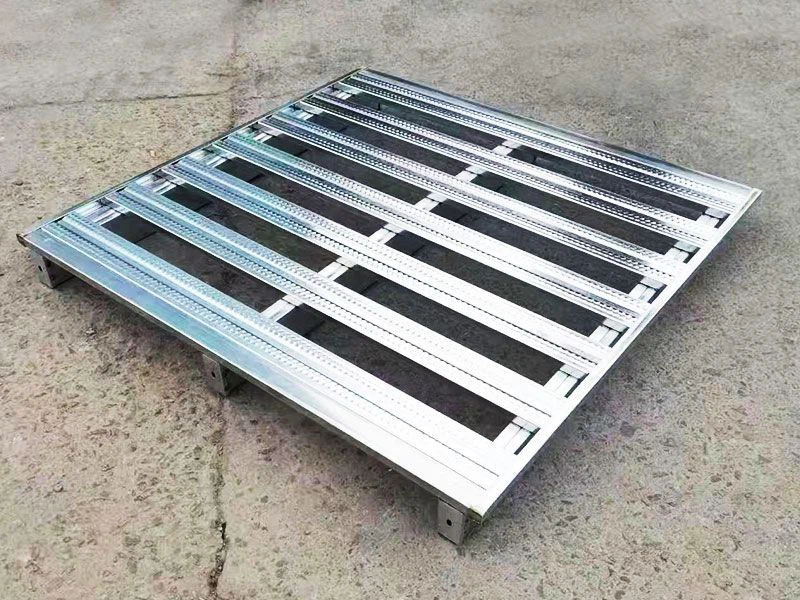

Unique Structural Features
Chuan-type pallets have a unique design that includes crossbars and a specific deck pattern. Check these crossbars for any signs of damage or wear. The deck pattern should also be intact, as any damage to it can affect the stability of the pallet.
Compatibility with Equipment
Make sure the Chuan-type pallets are compatible with your handling equipment. The fork entry and the overall dimensions should match the specifications of your forklifts or other material handling equipment. If there are any issues with compatibility, it can lead to damage to the pallets and the equipment.
Documentation and Record-Keeping
It's important to keep a record of all the inspections you do. This can help you track the condition of the pallets over time and identify any trends or recurring issues.
Inspection Reports
Create a simple inspection report for each pallet. Include details such as the date of the inspection, any damage found, and what actions were taken. This report can be used as a reference in the future and can also be useful for insurance purposes.
Maintenance History
Keep a maintenance history for each pallet as well. This should include any repairs or replacements that have been done. By having this information on hand, you can make more informed decisions about when to retire a pallet or when to invest in maintenance.
When to Replace a Pallet
After inspecting a pallet, you might be wondering whether it's still safe to use or if it needs to be replaced. Here are some guidelines to help you make that decision.
Severe Structural Damage
If a pallet has severe cracks, major bends, or significant corrosion, it's probably time to replace it. These types of damage can compromise the safety of the pallet and put your employees and products at risk.
Repeated Repairs
If a pallet has needed frequent repairs, it might be more cost-effective to replace it. Constantly fixing a pallet can add up in terms of time and money, and it might not be as reliable as a new pallet.
Conclusion
Inspecting metal steel pallets for damage is an important part of maintaining a safe and efficient logistics and storage operation. By following the steps outlined in this blog, you can spot any issues early on and take the necessary actions to prevent further damage.
If you're in the market for high-quality metal steel pallets, we're here to help. We offer a wide range of pallets, including Metal Steeel Pallet, Steel Storage Pallet, and Chuan-Type Metal Pallets. Contact us to discuss your specific needs and let's start a great business partnership!
References
- General knowledge in the field of metal pallet manufacturing and inspection.
- Industry standards and best practices for pallet inspection and maintenance.


