


Hey there! As a metal pallet supplier, I've seen my fair share of metal pallets and their moving parts. Lubricating these parts is crucial to keep the pallets working smoothly and extend their lifespan. In this blog, I'll walk you through how to lubricate the moving parts of a metal pallet, if any.
First off, let's talk about why lubrication is so important. Metal pallets, especially those with moving parts like hinges or rollers, can experience a lot of friction during use. This friction can cause wear and tear on the parts, leading to reduced performance and potentially costly repairs. By lubricating these parts, you can reduce friction, prevent rust and corrosion, and ensure that the pallets operate efficiently.
Step 1: Identify the Moving Parts
The first step in lubricating a metal pallet is to identify the moving parts. Not all metal pallets have moving parts, but if yours does, they're usually hinges, rollers, or sliding mechanisms. Take a close look at your pallet and find these parts. If you're not sure, you can refer to the product manual or contact us for help. We're a metal pallet supplier, and we're always happy to assist with any questions you might have.
Step 2: Choose the Right Lubricant
Once you've identified the moving parts, it's time to choose the right lubricant. There are several types of lubricants available, each with its own properties and uses. For metal pallets, a good choice is a high - quality, multi - purpose lubricant. These lubricants can handle a wide range of temperatures and conditions, and they're effective at reducing friction.
Some common types of lubricants include:
- Oil - based lubricants: These are great for general use and can penetrate deep into the moving parts. They provide long - lasting lubrication but can attract dust and dirt.
- Silicone - based lubricants: These are ideal for parts that need to move smoothly without attracting debris. They're also resistant to water and can be used in wet environments.
- Grease: Grease is thick and sticky, which makes it perfect for parts that need heavy - duty lubrication. It stays in place well and provides excellent protection against wear.
Step 3: Clean the Moving Parts
Before applying the lubricant, it's important to clean the moving parts. Use a clean cloth or a brush to remove any dirt, debris, or rust from the parts. This will ensure that the lubricant can work effectively and that there's no interference with the movement of the parts.
If there's a lot of rust, you might need to use a rust remover. Follow the instructions on the rust remover carefully, and make sure to rinse the parts thoroughly with water after using it.

Step 4: Apply the Lubricant
Now it's time to apply the lubricant. For oil - based or silicone - based lubricants, you can use a spray bottle or a dropper. Apply a small amount of lubricant to each moving part, making sure to cover all the surfaces. For grease, you can use a grease gun or a spatula to apply it to the parts.
Be careful not to over - lubricate the parts. Too much lubricant can attract more dirt and debris, which can actually cause more problems. A little bit goes a long way.
Step 5: Test the Moving Parts
After applying the lubricant, test the moving parts to make sure they're working smoothly. Open and close the hinges, roll the rollers, or move the sliding mechanisms. If there's still some resistance, you might need to apply a little more lubricant.
Different Types of Metal Pallets and Their Lubrication Needs
Let's take a look at some different types of metal pallets and how their lubrication needs might vary.
Metal Steeel Pallet
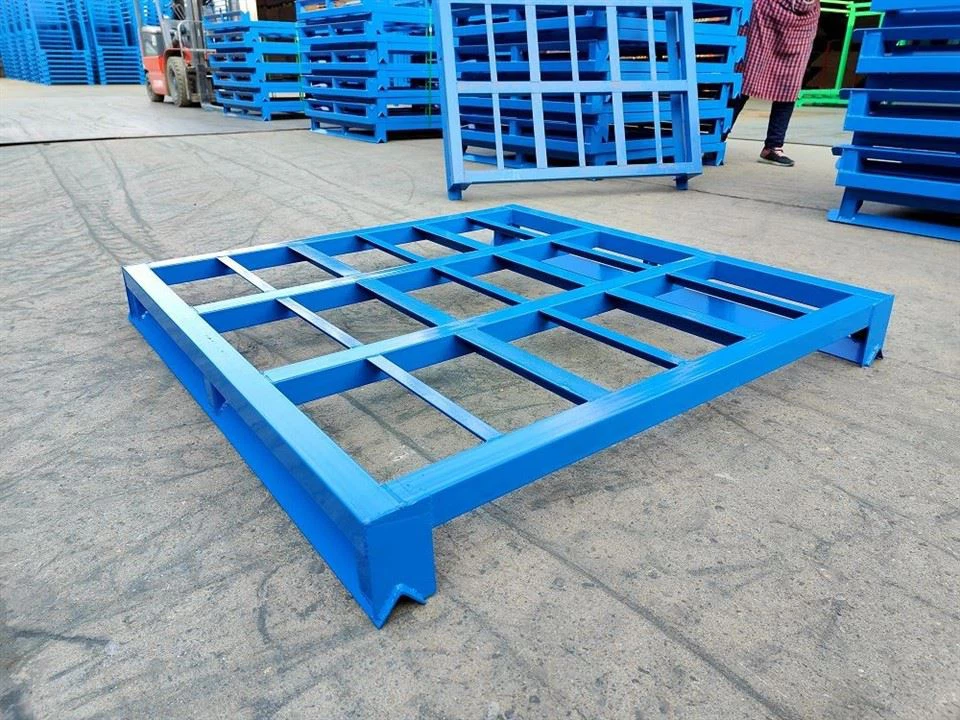
The Metal Steeel Pallet is a popular choice for many industries. These pallets often have hinges or other moving parts that need regular lubrication. When lubricating a Metal Steeel Pallet, make sure to focus on the areas where the parts move. For example, if there are hinges, apply the lubricant to the hinge pins and the moving parts of the hinge.
Steel Storage Pallet
Steel Storage Pallets are designed for storing heavy items. They may have rollers or sliding mechanisms to make it easier to move the pallets in and out of storage. When lubricating these pallets, pay special attention to the rollers or sliding parts. Make sure the lubricant is evenly distributed to ensure smooth movement.
Chuan - Type Metal Pallets
Chuan - Type Metal Pallets are known for their unique design. They may have different types of moving parts compared to other pallets. When lubricating these pallets, carefully examine the moving parts and apply the lubricant according to their specific needs.
Frequency of Lubrication
The frequency of lubrication depends on how often the pallets are used and the environment they're in. If the pallets are used frequently in a dirty or harsh environment, they may need to be lubricated more often. As a general rule, it's a good idea to lubricate the moving parts at least once every few months. However, if you notice any signs of increased friction or wear, it's a good idea to lubricate the parts immediately.
Benefits of Regular Lubrication
Regularly lubricating the moving parts of your metal pallets has several benefits:
- Extended lifespan: By reducing friction and wear, lubrication can help your pallets last longer. This means you won't have to replace them as often, which can save you money in the long run.
- Improved performance: Lubricated parts move more smoothly, which can improve the overall performance of the pallets. This is especially important if you're using the pallets in a high - volume operation.
- Reduced maintenance costs: When the pallets are well - lubricated, there's less chance of breakdowns and costly repairs. This can save you time and money on maintenance.
Conclusion
Lubricating the moving parts of a metal pallet is a simple but important task. By following the steps outlined in this blog, you can keep your pallets in good working condition and ensure that they perform at their best. If you have any questions about lubricating your metal pallets or if you're interested in purchasing new pallets, feel free to reach out to us. We're a metal pallet supplier, and we're here to help you with all your pallet needs.
References
- "Industrial Pallet Maintenance Guide" - Industry Standard Publications
- "Lubrication Basics for Metal Components" - Mechanical Engineering Journal


