


Operating a pallet jack is a fundamental skill in many industries, especially in warehousing, logistics, and manufacturing. As a pallet supplier, I understand the importance of not only providing high - quality pallets but also ensuring that our customers know how to operate the equipment used with them safely and efficiently. In this article, I'll guide you through the step - by - step process of operating a pallet jack, from pre - operation checks to proper maneuvering and post - operation care.
Pre - operation Checks
Before you start using a pallet jack, it is crucial to conduct a thorough pre - operation inspection. This helps prevent accidents and ensures the equipment is in good working condition.
- Visual Inspection: Examine the pallet jack for any visible signs of damage, such as cracks, bent parts, or loose components. Check the forks for straightness and make sure they are not damaged or worn. Look at the wheels to ensure they are properly inflated (if pneumatic) and free of debris or excessive wear.
- Handle and Controls: Test the handle to make sure it moves smoothly and that the controls are responsive. Check the brakes, hydraulic release lever, and lift pump mechanism. The brakes should hold the jack in place when engaged, and the lift and lower functions should work as expected.
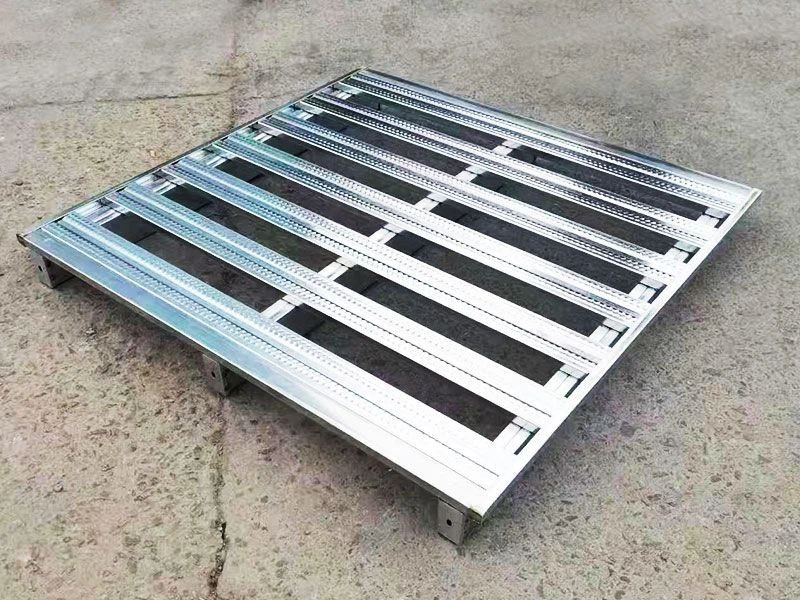
- Pallet Compatibility: Ensure that the pallet you are using is suitable for the pallet jack. Different pallets, such as Steel Storage Pallet, Double - Sided Galvanized Pallets, have different specifications and load capacities. Make sure the pallet's design allows the forks of the pallet jack to enter easily.
Positioning the Pallet Jack
Once the pre - operation checks are complete, it's time to position the pallet jack correctly.
- Approaching the Pallet: Walk the pallet jack towards the pallet, making sure it is centered and aligned with the opening in the pallet. If the pallet has a specific entry point (such as on Chuan - Type Metal Pallets), approach it accordingly.
- Inserting the Forks: Lower the forks of the pallet jack to the lowest position using the hydraulic release lever. Gently push the pallet jack forward so that the forks slide smoothly into the pallet openings. Make sure the forks are fully inserted to the recommended depth to provide stable support for the load.
Lifting the Load
- Activating the Hydraulic Pump: After the forks are inserted into the pallet, place your foot on the pump pedal and start pumping. Each pump of the pedal will raise the forks and the load slightly. Pump steadily until the pallet is lifted high enough to clear the floor. Avoid over - pumping, as this can cause the load to become unstable.
- Checking Load Stability: Once the load is lifted, pause and check that it is stable on the forks. Look for any signs of the load shifting or the pallet tilting. If the load seems unstable, lower the forks slightly and re - adjust the position of the pallet on the forks.
Maneuvering the Pallet Jack
- Moving Forward and Backward: To move the pallet jack forward, simply push the handle in the desired direction. Use a smooth and steady motion to maintain control of the load. To move backward, pull the handle towards you. Be aware of your surroundings and any obstacles that may be in your path.
- Turning: To turn the pallet jack, use the handle to guide the wheels. For tight turns, use short, gentle movements to avoid tipping the load. Keep in mind that the wheelbase and turning radius of the pallet jack may limit your ability to make very sharp turns.
- Going Uphill and Downhill: When moving the pallet jack uphill, pull the handle slightly to keep the load from shifting forward. When going downhill, push the handle gently to control the speed of descent. Always use the brakes to slow down or stop if necessary.
Lowering the Load
- Releasing the Hydraulic Pressure: When you reach your destination, it's time to lower the load. Slowly turn the hydraulic release lever counter - clockwise. This will gradually release the hydraulic pressure, causing the forks and the load to lower.
- Placing the Pallet: Lower the load until the pallet is resting securely on the ground. Make sure the pallet is level and stable. Then, carefully pull the pallet jack out from under the pallet by reversing the process of insertion.
Post - operation Care
After using the pallet jack, it's important to take proper care of the equipment to ensure its longevity and continued safe operation.
- Cleaning: Remove any dirt, debris, or spills from the pallet jack. Use a damp cloth to wipe down the forks, wheels, and handle. If the pallet jack has been used in a dirty or dusty environment, you may need to use a mild cleaning solution.
- Storage: Store the pallet jack in a dry, clean area. Keep it away from areas where it may be damaged by other equipment or vehicles. If possible, store the pallet jack with the forks in the lowered position to prevent unnecessary stress on the hydraulic system.
- Regular Maintenance: Schedule regular maintenance checks for the pallet jack. This may include lubricating moving parts, checking the hydraulic fluid level, and inspecting for wear and tear. Follow the manufacturer's recommendations for maintenance intervals and procedures.
Safety Tips
- Load Capacity: Always follow the load capacity rating of the pallet jack. Overloading the jack can cause it to malfunction and lead to accidents. Different pallets, like High Loading Metal Pallet, have their own load - bearing capabilities, and you should ensure that the combination of the pallet and the load does not exceed the pallet jack's capacity.
- Visibility: Keep your line of sight clear when operating the pallet jack. If the load blocks your view, use a spotter or find an alternative way to move the load safely.
- Personal Protective Equipment (PPE): Wear appropriate PPE, such as safety shoes and gloves, when operating a pallet jack. This can protect you from injuries in case of an accident.
- Training: Ensure that all operators are properly trained in the use of pallet jacks. Training should include pre - operation checks, safe operation procedures, and emergency response.
Conclusion
Operating a pallet jack is a skill that requires attention to detail, proper training, and a commitment to safety. By following the steps outlined in this article, you can ensure that you are using the pallet jack correctly and efficiently. As a pallet supplier, we offer a wide range of pallets, including Steel Storage Pallet, Double - Sided Galvanized Pallets, Storage Steel Pallet, High Loading Metal Pallet, and Chuan - Type Metal Pallets, to meet your specific needs. If you are interested in purchasing pallets or have any questions about their use, please contact us for a detailed discussion. Our team of experts is ready to assist you in finding the best pallet solutions for your business.

References
- OSHA (Occupational Safety and Health Administration) guidelines on powered industrial trucks.
- Manufacturer's manuals for pallet jack operation and maintenance.


