


How to prevent corrosion on storage steel pallets?
As a supplier of Storage Steel Pallets, I understand the importance of keeping these pallets in top - notch condition. Corrosion is one of the most significant threats to the longevity and functionality of steel pallets. In this blog, I will share some effective strategies to prevent corrosion on storage steel pallets.
Understanding the Causes of Corrosion
Before we delve into prevention methods, it's essential to understand what causes corrosion in the first place. Corrosion is a natural process that occurs when iron or steel reacts with oxygen and moisture in the environment. This reaction forms iron oxide, commonly known as rust. Other factors that can accelerate corrosion include exposure to chemicals, high humidity, and saltwater.
In a storage environment, pallets may be exposed to various corrosive elements. For example, if the storage facility is located near the coast, the salt in the air can speed up the corrosion process. Similarly, if the pallets are used to store chemicals or are in an area with high humidity, they are more likely to corrode.
Surface Preparation
The first step in preventing corrosion is proper surface preparation. Before any protective coating is applied, the steel pallets must be thoroughly cleaned. This involves removing any dirt, grease, rust, or mill scale from the surface.
- Mechanical Cleaning: One of the most common methods of mechanical cleaning is sandblasting. Sandblasting uses high - pressure air to propel abrasive materials, such as sand or grit, onto the surface of the pallet. This process not only removes contaminants but also creates a rough surface, which helps the protective coating adhere better.
- Chemical Cleaning: Chemical cleaning agents can also be used to remove dirt and grease from the steel pallets. These agents are typically applied using a spray or immersion method. After chemical cleaning, the pallets should be rinsed thoroughly with water to remove any remaining chemicals.
Protective Coatings
Applying a protective coating is one of the most effective ways to prevent corrosion on storage steel pallets. There are several types of coatings available, each with its own advantages and disadvantages.
- Paint Coatings: Paint is a widely used protective coating for steel pallets. It provides a barrier between the steel and the environment, preventing oxygen and moisture from reaching the surface. There are different types of paint, such as epoxy, polyurethane, and alkyd. Epoxy paints are known for their excellent adhesion and chemical resistance, making them a popular choice for industrial applications. Polyurethane paints offer good UV resistance and durability, while alkyd paints are more affordable and suitable for less demanding environments.
- Galvanizing: Galvanizing is a process in which a layer of zinc is applied to the surface of the steel pallet. Zinc is more reactive than steel, so when the pallet is exposed to the environment, the zinc corrodes first, protecting the underlying steel. There are two main types of galvanizing: hot - dip galvanizing and electro - galvanizing. Hot - dip galvanizing involves immersing the pallet in a bath of molten zinc, resulting in a thick and durable zinc coating. Electro - galvanizing, on the other hand, uses an electric current to deposit a thin layer of zinc onto the pallet.
- Powder Coating: Powder coating is a dry finishing process in which a fine powder is applied to the surface of the pallet using an electrostatic gun. The powder is then cured in an oven, forming a hard and durable coating. Powder coating offers several advantages, including excellent corrosion resistance, a smooth finish, and environmental friendliness.
Environmental Control
Controlling the storage environment can also help prevent corrosion on steel pallets.
- Humidity Control: High humidity is one of the main factors that contribute to corrosion. By keeping the relative humidity in the storage facility below 60%, the risk of corrosion can be significantly reduced. This can be achieved using dehumidifiers or by improving the ventilation in the facility.
- Temperature Control: Extreme temperatures can also affect the rate of corrosion. Fluctuations in temperature can cause condensation to form on the surface of the pallets, which can lead to rusting. Maintaining a stable temperature in the storage facility can help prevent this problem.
- Isolation from Corrosive Substances: Steel pallets should be stored away from chemicals, saltwater, and other corrosive substances. If the pallets are used to store chemicals, they should be made of a material that is resistant to the specific chemicals being stored.
Regular Inspection and Maintenance
Regular inspection and maintenance are crucial for ensuring the long - term corrosion resistance of storage steel pallets.
- Visual Inspection: Pallets should be inspected regularly for signs of corrosion, such as rust spots or flaking paint. Any damaged or corroded areas should be repaired immediately to prevent further damage.
- Repair and Touch - Up: If corrosion is detected, the affected area should be cleaned and repaired. This may involve removing the rust, applying a primer, and then repainting or recoating the area. Touch - up paint can be used to cover small areas of damage.
- Lubrication: If the pallets have moving parts, such as hinges or wheels, they should be lubricated regularly to prevent corrosion and ensure smooth operation.
Handling and Storage Practices
Proper handling and storage practices can also play a role in preventing corrosion on steel pallets.

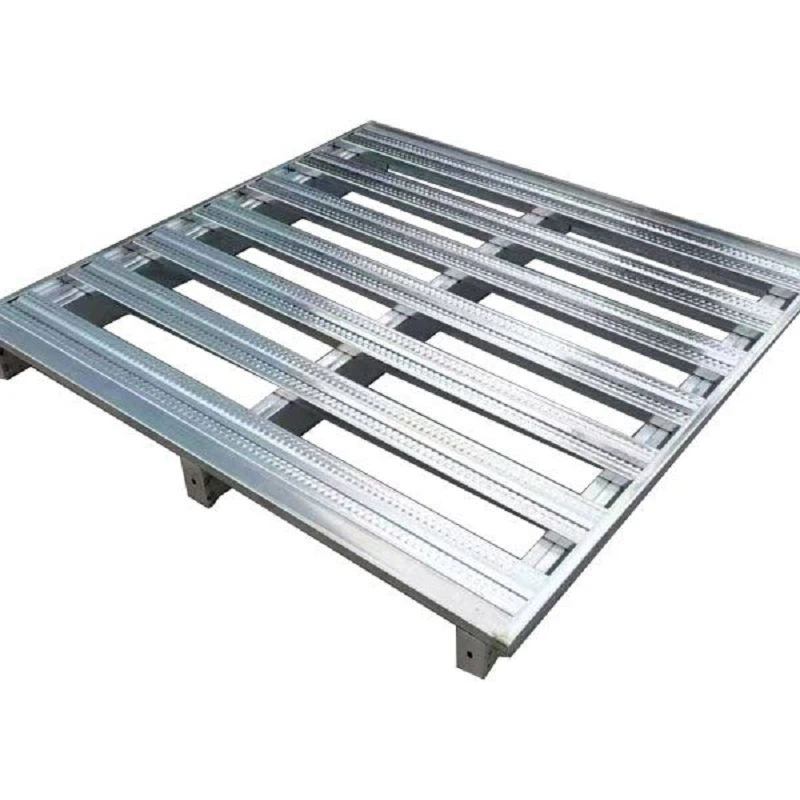
- Avoiding Damage: During handling, pallets should be handled carefully to avoid scratches or dents. These damages can expose the underlying steel to the environment, increasing the risk of corrosion.
- Proper Stacking: Pallets should be stacked properly to ensure good ventilation and prevent moisture from accumulating between the pallets. Stacking pallets on a raised platform can also help keep them away from damp floors.
Conclusion
Preventing corrosion on storage steel pallets is essential for maintaining their functionality and extending their lifespan. By following the strategies outlined in this blog, including proper surface preparation, applying protective coatings, controlling the environment, conducting regular inspections and maintenance, and practicing proper handling and storage, you can significantly reduce the risk of corrosion.
As a supplier of Storage Steel Pallets, I am committed to providing high - quality pallets and sharing my knowledge to help you keep them in the best condition. If you are interested in purchasing storage steel pallets or have any questions about corrosion prevention, please feel free to contact me for further discussion and potential procurement.
References
- Fontana, M. G. (1986). Corrosion Engineering. McGraw - Hill.
- Uhlig, H. H., & Revie, R. W. (1985). Corrosion and Corrosion Control: An Introduction to Corrosion Science and Engineering. Wiley.
- ASM International. (2004). Corrosion Basics: An Introduction. ASM International.


