


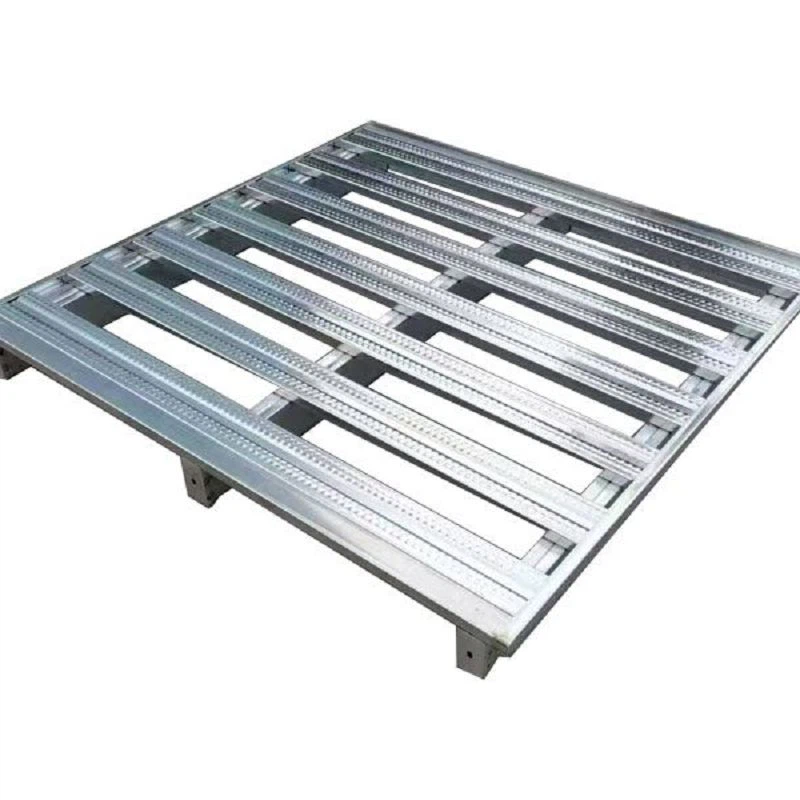
As a supplier of Storage Steel Pallet, I understand the importance of preventing damage to goods stored on these pallets. Storage steel pallets are widely used in various industries due to their durability, strength, and ability to withstand heavy loads. However, without proper care and handling, both the pallets and the goods they carry can be at risk of damage. In this blog, I will share some effective strategies to prevent damage to goods on storage steel pallets.
1. Choose the Right Pallet for the Job
The first step in preventing damage to goods is to select the appropriate storage steel pallet for the specific requirements of your goods. Consider the following factors:

- Load Capacity: Ensure that the pallet has a sufficient load capacity to handle the weight of the goods. Overloading pallets can lead to structural failure and damage to both the pallet and the goods.
- Pallet Size: The size of the pallet should match the dimensions of the goods. A pallet that is too small may cause the goods to overhang, increasing the risk of damage during handling and storage. On the other hand, a pallet that is too large can waste storage space and make it difficult to stack the pallets efficiently.
- Pallet Design: Different pallet designs are suitable for different types of goods. For example, pallets with open decks are ideal for storing items that need ventilation, while pallets with solid decks are better for preventing small items from falling through.
2. Proper Loading and Stacking Techniques
How you load and stack goods on the storage steel pallets can significantly impact their safety and integrity. Here are some loading and stacking tips:
- Distribute the Load Evenly: When loading goods onto the pallet, make sure to distribute the weight evenly across the pallet surface. Uneven loading can cause the pallet to tilt or collapse, leading to damage to the goods.
- Use Straps or Bands: For larger or heavier items, use straps or bands to secure the goods to the pallet. This helps prevent the goods from shifting during transportation and storage.
- Stack Pallets Correctly: When stacking pallets, ensure that they are aligned properly and that the weight is evenly distributed across the stack. Avoid stacking pallets too high, as this can increase the risk of instability and collapse.
3. Protect the Goods from Moisture and Corrosion
Storage steel pallets are generally resistant to moisture and corrosion. However, the goods stored on them may still be vulnerable. Here are some ways to protect the goods from moisture and corrosion:
- Use Moisture Barriers: If the goods are sensitive to moisture, consider using moisture barriers such as plastic sheets or wraps to protect them. This can prevent rusting, mold growth, and other forms of moisture-related damage.
- Store in a Dry Environment: Whenever possible, store the pallets and goods in a dry environment. Avoid storing them in areas prone to flooding, high humidity, or direct contact with water.
- Apply Corrosion Protection: For steel pallets that are exposed to harsh environments, apply a corrosion-resistant coating to protect them from rust and corrosion. This can extend the lifespan of the pallets and help protect the goods.
4. Implement Regular Inspections and Maintenance
Regular inspections and maintenance of both the storage steel pallets and the goods are essential for preventing damage. Here's what you can do:
- Inspect the Pallets: Regularly inspect the pallets for signs of damage, such as cracks, bends, or loose parts. Replace any damaged pallets immediately to prevent further damage to the goods.
- Check the Goods: Inspect the goods on a regular basis to ensure that they are in good condition. Look for signs of damage, such as dents, scratches, or broken seals. If any damage is found, take appropriate measures to repair or replace the goods.
- Maintain the Pallets: Keep the pallets clean and free of debris. Lubricate the moving parts, such as the wheels or casters, to ensure smooth operation. This can help prevent wear and tear and extend the lifespan of the pallets.
5. Train Your Staff on Proper Handling Procedures
Proper handling of storage steel pallets and the goods they carry is crucial for preventing damage. Provide your staff with comprehensive training on the following:
- Pallet Handling Equipment: Train your staff on how to operate the pallet handling equipment safely and effectively. This includes forklifts, pallet jacks, and other types of handling equipment.
- Loading and Unloading Techniques: Teach your staff the proper loading and unloading techniques to ensure that the goods are handled gently and without causing damage.
- Safety Procedures: Emphasize the importance of following safety procedures when handling pallets and goods. This includes wearing appropriate personal protective equipment, such as gloves and safety glasses.
6. Use Protective Packaging
In addition to the above measures, using appropriate protective packaging can also help prevent damage to the goods on storage steel pallets. Consider the following:
- Bubble Wrap or Foam: Wrap fragile items in bubble wrap or foam to provide cushioning and protect them from impact.
- Cardboard Boxes or Crates: Place smaller items in cardboard boxes or crates to prevent them from shifting and getting damaged.
- Corner Protectors: Use corner protectors to protect the edges of the goods from damage during handling and storage.
7. Consider the Storage Environment
The storage environment can also have a significant impact on the condition of the goods on storage steel pallets. Pay attention to the following factors:
- Temperature and Humidity: Maintain a stable temperature and humidity level in the storage area. Extreme temperatures and high humidity can cause damage to the goods and the pallets.
- Lighting: Adequate lighting is essential for safe handling and storage. Make sure the storage area is well-lit to prevent accidents and damage to the goods.
- Ventilation: Proper ventilation can help prevent the buildup of moisture and odors in the storage area. This can help protect the goods from mold and mildew growth.
Conclusion
Preventing damage to goods on storage steel pallets requires a combination of proper selection, loading, stacking, protection, inspection, and maintenance. By following the strategies outlined in this blog, you can minimize the risk of damage to your goods and ensure the safe and efficient storage of your inventory.
As a Storage Steel Pallet supplier, we are committed to providing high-quality pallets and expert advice to help you protect your goods. If you have any questions or need further assistance in selecting the right pallets for your needs, please don't hesitate to contact us. We look forward to the opportunity to discuss your requirements and help you find the best solutions for your business.
References
- Warehousing Education and Research Council (WERC). “Best Practices in Warehouse Operations.”
- Material Handling Industry of America (MHIA). “Guidelines for Pallet Selection and Usage.”


