In the realm of logistics and warehousing, pallets play a crucial role in the efficient movement and storage of goods. Two of the most commonly used types of pallets are steel pallets and plastic pallets. As a steel pallet supplier, I have had the opportunity to work closely with both types and understand their unique characteristics. In this blog, I will delve into the differences between steel pallets and plastic pallets, highlighting their respective advantages and disadvantages to help you make an informed decision for your business.
Material and Construction
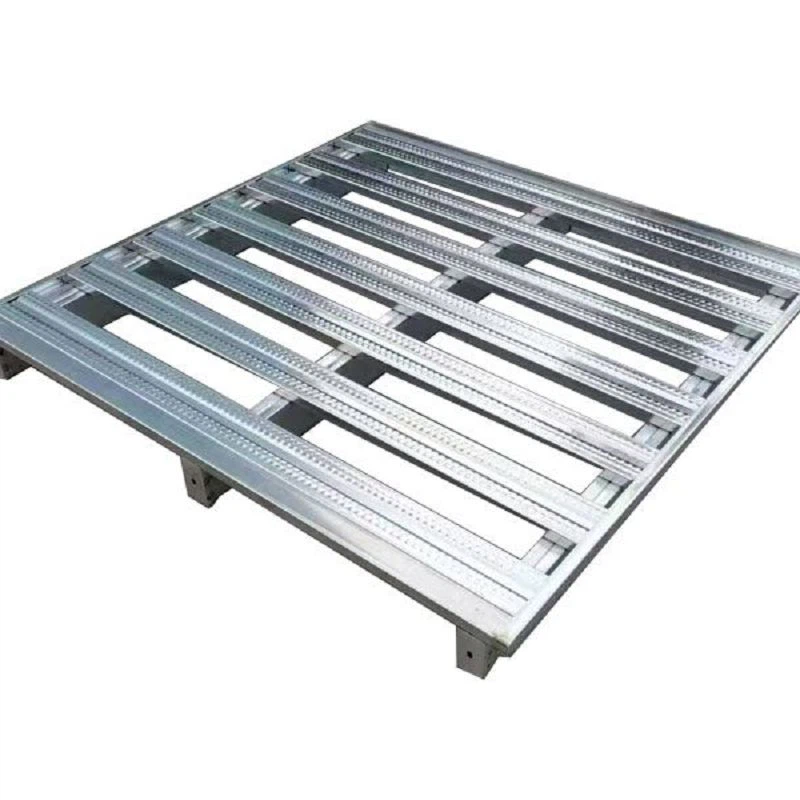
The most obvious difference between steel pallets and plastic pallets lies in their material composition. Steel pallets are made from high - strength steel, which gives them exceptional durability. The steel used can be carbon steel or stainless steel, depending on the specific requirements of the application. Steel pallets are typically fabricated through welding, which ensures a strong and rigid structure.
On the other hand, plastic pallets are made from various types of plastics, such as high - density polyethylene (HDPE) or polypropylene (PP). They are usually manufactured through injection molding or rotational molding processes. This allows for the creation of pallets with complex shapes and designs, often with built - in features like reinforced ribs for added strength.
Strength and Load Capacity
Steel pallets are renowned for their high strength and load - bearing capacity. They can withstand heavy loads, making them ideal for industries that deal with large and heavy items, such as automotive, manufacturing, and construction. A standard steel pallet can easily support loads of up to several tons, depending on its design and construction.
Plastic pallets, while generally strong, have a lower load capacity compared to steel pallets. They are more suitable for lighter loads and applications where the weight of the goods is not excessive. However, some high - quality plastic pallets can still handle relatively heavy loads, but they may not be able to match the sheer strength of steel pallets.
Durability and Longevity
Steel pallets are extremely durable and have a long lifespan. They can withstand harsh environments, including exposure to chemicals, high temperatures, and physical impacts. The steel construction makes them resistant to wear and tear, and they can be used repeatedly without significant degradation in performance.
Plastic pallets are also durable, but they are more susceptible to damage from sharp objects and extreme temperatures. Over time, plastic pallets may become brittle or develop cracks, especially if they are exposed to sunlight for extended periods. However, proper maintenance and handling can significantly extend their lifespan.
Hygiene and Cleanliness
In industries where hygiene is a top priority, such as the food and pharmaceutical sectors, both steel and plastic pallets have their advantages. Steel pallets can be easily cleaned and sanitized, as they do not absorb moisture or harbor bacteria. They can be washed with water and detergents, and in some cases, they can even be steam - cleaned.
Plastic pallets are also easy to clean and are resistant to moisture, making them suitable for wet environments. They do not splinter or chip like wood pallets, which can be a source of contamination. However, plastic pallets may require more frequent cleaning to prevent the buildup of dirt and debris in their crevices.
Cost
The cost of steel pallets and plastic pallets can vary depending on several factors, such as size, load capacity, and design. Generally, steel pallets are more expensive upfront compared to plastic pallets. The cost of steel and the manufacturing process involved in creating steel pallets contribute to their higher price.
However, when considering the long - term cost, steel pallets may be more cost - effective. Their durability and long lifespan mean that they do not need to be replaced as often as plastic pallets. Additionally, steel pallets can be recycled at the end of their useful life, which can offset some of the initial cost.
Plastic pallets are more affordable upfront, making them a popular choice for businesses on a tight budget. However, they may need to be replaced more frequently due to wear and tear, which can increase the overall cost in the long run.
Environmental Impact
In terms of environmental impact, both steel and plastic pallets have their pros and cons. Steel pallets are highly recyclable. At the end of their lifespan, they can be melted down and reused to make new steel products. This reduces the demand for new steel production and helps to conserve natural resources.

Plastic pallets can also be recycled, but the recycling process for plastic is more complex and may not be as efficient as that of steel. Additionally, some plastics are derived from non - renewable resources, which can have a negative impact on the environment. However, there are now many eco - friendly plastic pallets available on the market that are made from recycled materials.
Applications
Steel pallets are commonly used in industries where heavy loads and high durability are required. They are ideal for use in warehouses, distribution centers, and manufacturing plants. For example, in the automotive industry, steel pallets are used to transport and store heavy engine components and body parts. Storage Steel Pallet is a great option for storing large and heavy items in a warehouse setting.
Plastic pallets are often used in industries where hygiene and lightweight are important. They are popular in the food and beverage industry, as well as in the pharmaceutical and electronics industries. Plastic pallets are also commonly used in retail environments for the display and transportation of goods.
Conclusion
In conclusion, the choice between steel pallets and plastic pallets depends on several factors, including the specific requirements of your business, the type of goods you are handling, and your budget. Steel pallets offer high strength, durability, and recyclability, making them suitable for heavy - duty applications. Plastic pallets, on the other hand, are lightweight, easy to clean, and more affordable upfront, making them a good choice for lighter loads and industries with strict hygiene requirements.
If you are considering purchasing pallets for your business, I encourage you to contact me to discuss your specific needs. As a steel pallet supplier, I can provide you with detailed information about our products and help you make the best decision for your logistics and warehousing operations. Whether you need a small quantity of pallets for a specific project or a large - scale supply for your business, I am here to assist you.
References
- “Pallet Materials and Their Applications.” Logistics Management Journal.
- “Comparative Analysis of Steel and Plastic Pallets in Warehousing.” Industrial Engineering Review.
- “Sustainable Pallet Solutions: A Look at Steel and Plastic.” Environmental Logistics Magazine.