


Steel pallets are a versatile and durable solution for various industries, offering a range of benefits over traditional wooden or plastic pallets. As a steel pallet supplier, I have witnessed firsthand the diverse applications of steel pallets across different sectors. In this blog post, I will explore the industries that commonly use steel pallets and highlight the advantages they bring to each.
Manufacturing Industry
The manufacturing industry is one of the largest users of steel pallets. In manufacturing plants, steel pallets are used to transport raw materials, work - in - progress items, and finished products. Their high load - bearing capacity is crucial as manufacturing processes often involve heavy machinery parts, large quantities of raw materials like metal sheets, and bulky finished goods.
For example, in the automotive manufacturing sector, steel pallets are used to transport engine components, body parts, and wheels. These pallets can withstand the weight of heavy automotive parts without warping or breaking. They also provide a stable base for the parts during transportation within the factory and to distribution centers.
Another aspect is the durability and longevity of steel pallets. Manufacturing environments can be harsh, with exposure to chemicals, heat, and mechanical impacts. Steel pallets are resistant to these factors, reducing the need for frequent replacements. This results in cost savings for manufacturing companies in the long run.
Logistics and Warehousing
Logistics and warehousing operations rely heavily on steel pallets for efficient storage and transportation. In warehouses, steel pallets can be stacked high, maximizing vertical storage space. They are also compatible with automated storage and retrieval systems (AS/RS), which are becoming increasingly popular in modern warehouses.
The link Storage Steel Pallet provides more information on the specific types of steel pallets suitable for storage purposes. These pallets are designed to fit seamlessly into racking systems, ensuring stability and easy access to stored goods.
In logistics, steel pallets are preferred for long - distance transportation. They can endure the rigors of shipping, including handling by forklifts, conveyor belts, and being loaded and unloaded from trucks and containers. Their standardized sizes make them easy to integrate into the global supply chain, facilitating the smooth flow of goods between different locations.
Food and Beverage Industry
The food and beverage industry has strict hygiene and safety standards. Steel pallets are an ideal choice in this industry because they are easy to clean and sanitize. Unlike wooden pallets, which can absorb moisture and harbor bacteria, steel pallets can be washed with high - pressure water and disinfectants.
In food processing plants, steel pallets are used to transport ingredients, semi - finished products, and packaged food items. They are also suitable for use in cold storage facilities, as steel can withstand low temperatures without losing its structural integrity. For beverage manufacturers, steel pallets can handle the weight of large crates of bottles or cans, ensuring safe and efficient transportation within the production facility and to distribution points.
Chemical and Pharmaceutical Industry
The chemical and pharmaceutical industries deal with hazardous and sensitive materials. Steel pallets offer a high level of safety and protection in these environments. They are resistant to chemical corrosion, which is essential when transporting chemicals or pharmaceutical products that may be corrosive.

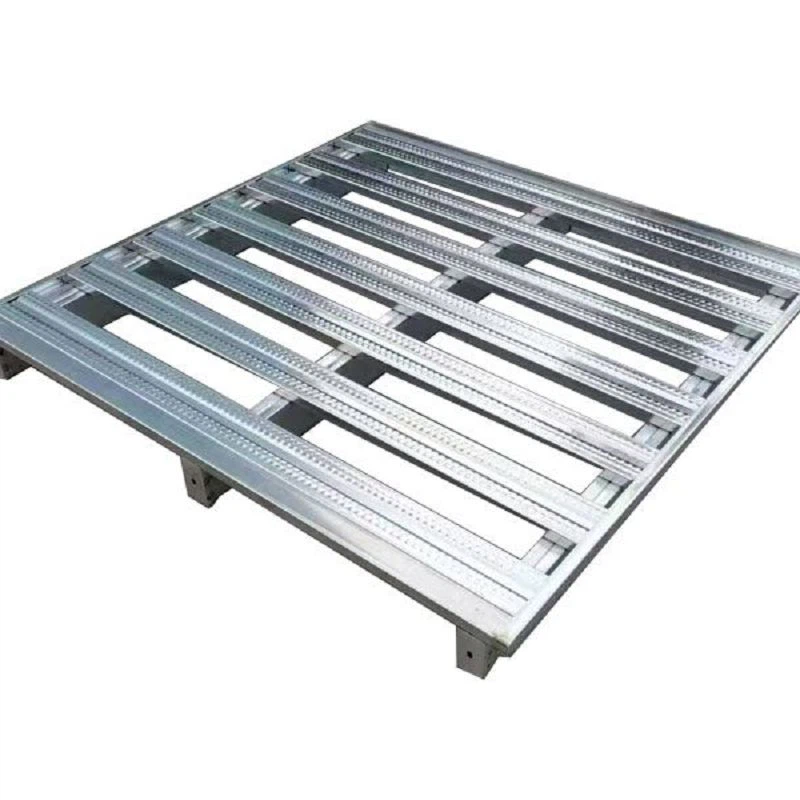
In chemical plants, steel pallets are used to store and transport drums of chemicals. Their robust construction prevents spills and leaks that could occur if less - durable pallets were used. For pharmaceutical companies, steel pallets help maintain the integrity of sensitive drugs and medical supplies during storage and transportation. They can be designed with special features such as anti - static coatings to prevent electrostatic discharge, which could damage electronic components in some pharmaceutical products.
Construction Industry
The construction industry requires pallets that can handle heavy and irregularly shaped materials. Steel pallets are well - suited for this task. They are used to transport building materials such as bricks, cement bags, and steel bars.
On construction sites, steel pallets provide a stable platform for storing and moving materials around. Their durability allows them to withstand the rough handling associated with construction activities, including being dropped or dragged across uneven surfaces. Moreover, steel pallets can be reused multiple times, making them a cost - effective option for construction companies.
Advantages of Steel Pallets in General
- Strength and Durability: Steel pallets can support heavy loads and are resistant to damage from impacts, moisture, and pests. This means they have a longer lifespan compared to other types of pallets, reducing the overall cost of ownership.
- Customizability: Steel pallets can be customized to meet the specific requirements of different industries. They can be designed with different sizes, shapes, and load - bearing capacities. For example, some industries may require pallets with special coatings or additional reinforcement.
- Recyclability: Steel is a highly recyclable material. At the end of their useful life, steel pallets can be recycled, which is an environmentally friendly option. This also helps companies meet their sustainability goals.
Contact for Purchase and Negotiation
If you are in one of these industries or any other industry that could benefit from steel pallets, I encourage you to reach out to discuss your specific needs. As a steel pallet supplier, I have a wide range of products to offer, and I am committed to providing high - quality pallets at competitive prices. Whether you need a small quantity for a specific project or a large - scale supply for your ongoing operations, I can work with you to find the best solution.
References
- "Pallet Design and Manufacturing Handbook"
- Industry reports on logistics, manufacturing, and various other sectors related to pallet usage.


