


Hey there! As a supplier of steel storage pallets, I've seen firsthand how crucial proper labeling is. It's not just about slapping a sticker on and calling it a day. In this blog, I'll share what I think is the best way to label steel storage pallets.
Why Labeling Matters
First off, let's talk about why labeling steel storage pallets is so important. When you're running a warehouse or a logistics operation, time is money. Having clear labels on your pallets can save a ton of time in finding, moving, and identifying products. It also helps in inventory management. You can quickly tell what's on each pallet, how much of it there is, and where it's supposed to go.
Another big reason is safety. Labels can provide important information about the contents of the pallet, like if it's hazardous, fragile, or needs special handling. This can prevent accidents and ensure that everyone in the warehouse stays safe.
Types of Labels
There are a few different types of labels you can use for steel storage pallets.
Printed Labels
Printed labels are probably the most common type. You can print them in-house using a label printer or get them professionally printed. They can include barcodes, text, and even graphics. Barcodes are especially useful because they can be scanned quickly, making inventory management a breeze. You can print information like the product name, quantity, batch number, and expiration date (if applicable).
Etched Labels
Etched labels are a more permanent option. They're made by etching the information onto a metal plate, which is then attached to the pallet. This type of label is great for pallets that will be used in harsh environments, like outdoors or in areas with a lot of moisture. The etched information won't fade or wear off easily, so it'll stay legible for a long time.
Magnetic Labels
Magnetic labels are a convenient option because they can be easily removed and repositioned. They're made with a magnetic backing that sticks to the steel pallet. This is useful if you need to change the label information frequently or if you want to reuse the labels on different pallets.
Best Practices for Label Placement
Now that we've talked about the types of labels, let's discuss where to place them on the pallet.
Visible Areas
The label should be placed in a visible area of the pallet. This usually means the front or the side. Avoid placing the label in a spot where it could be covered by the product on the pallet. You want to be able to see the label at a glance, even when the pallet is stacked with other pallets.
Consistent Placement
It's important to be consistent with label placement. This makes it easier for warehouse workers to find the information they need quickly. Decide on a standard location for all your pallets and stick to it. For example, you could always place the label on the top right corner of the front side of the pallet.
Multiple Labels
For larger pallets or pallets with a lot of information, you might want to use multiple labels. You could have one label with the basic product information and another with more detailed information, like the weight or the dimensions of the pallet.
Considerations for Different Pallet Types
Not all steel storage pallets are the same, and the labeling method might need to be adjusted depending on the type of pallet.
Double-Sided Galvanized Pallets
These pallets are coated with a layer of zinc to prevent rust. When labeling double-sided galvanized pallets, you need to make sure the label will adhere properly to the galvanized surface. Some labels might not stick well to the smooth, zinc-coated surface, so you might need to use a special adhesive or an etched label.
High Loading Metal Pallet
High loading metal pallets are designed to carry heavy loads. They might be used in industrial settings where there's a lot of movement and vibration. In this case, you'll want to use a label that can withstand the rough handling. An etched label or a printed label with a strong adhesive would be a good choice.
Metal Steeel Pallet
Metal steel pallets come in different shapes and sizes. Some might have a smooth surface, while others might have a textured surface. The texture of the surface can affect how well the label adheres. For textured surfaces, you might need to use a label with a more flexible backing or an adhesive that can conform to the texture.
Maintenance of Labels
Once you've labeled your pallets, you need to make sure the labels stay in good condition.
Regular Inspections
Do regular inspections of the labels to make sure they're still legible and attached properly. If you notice a label that's starting to peel or fade, replace it as soon as possible. This will ensure that the information on the label is always accurate and easy to read.
Cleaning
Keep the pallets clean to prevent dirt and debris from covering the labels. You can use a mild detergent and a soft cloth to clean the pallets. Just make sure not to use any abrasive materials that could damage the labels.
Conclusion
Labeling steel storage pallets is an important part of warehouse management. By choosing the right type of label, placing it in the right location, and maintaining it properly, you can ensure that your pallets are easy to identify and manage. Whether you're using Double-Sided Galvanized Pallets, High Loading Metal Pallet, or Metal Steeel Pallet, following these best practices will help you streamline your operations and improve safety.
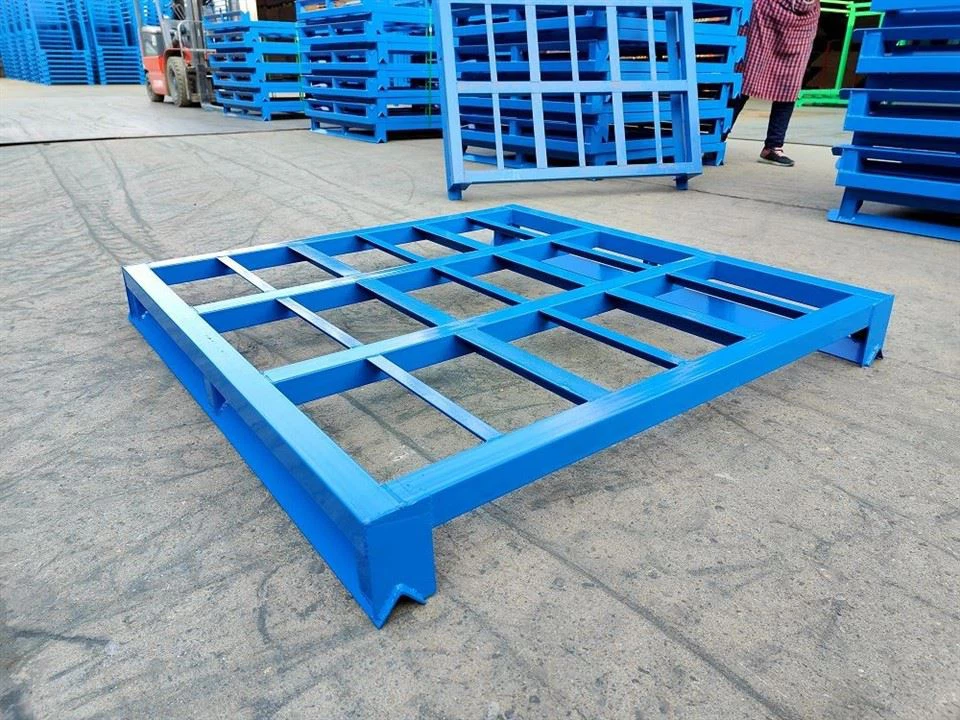

If you're in the market for high-quality steel storage pallets or need advice on labeling them, don't hesitate to reach out. We're here to help you find the best solutions for your business.
References
- "Warehouse Management Best Practices" - Industry Report
- "Labeling Guidelines for Industrial Products" - Professional Association Publication


