As a supplier of detachable racks, I often encounter inquiries about the load - distribution principle of these racks. Understanding this principle is crucial for ensuring the safety and efficiency of storage systems. In this blog, I will delve into the load - distribution principle of detachable racks, exploring its key aspects and implications.
Basic Concepts of Load Distribution in Detachable Racks
Load distribution refers to how the weight of stored items is spread across the various components of a detachable rack. A detachable rack typically consists of upright frames, beams, and connectors. When goods are placed on the rack, the weight needs to be evenly distributed to prevent overloading on any single part, which could lead to structural failure.
The load on a detachable rack can be classified into two main types: static load and dynamic load. Static load is the weight of the stored items when they are at rest. This includes the weight of the products themselves, as well as any packaging materials. Dynamic load, on the other hand, occurs when there is movement involved, such as during the loading and unloading process. Forklifts or other handling equipment may cause vibrations and impacts, which add to the overall load on the rack.
Factors Affecting Load Distribution
Rack Design
The design of the detachable rack plays a significant role in load distribution. The spacing between the upright frames and the length and thickness of the beams are carefully calculated to ensure optimal load - bearing capacity. For example, wider spacing between upright frames may reduce the number of frames required, but it also means that each beam has to support a greater amount of weight. Therefore, the beam's cross - sectional area and material strength need to be sufficient to handle this load.
Material Quality
The quality of the materials used in the construction of the detachable rack is another crucial factor. High - strength steel is commonly used for its excellent load - bearing properties. The steel should have the right combination of hardness and ductility. Hardness ensures that the rack can withstand the weight without deforming, while ductility allows it to absorb some of the energy from dynamic loads without breaking.
Loading Pattern
The way goods are loaded onto the rack also affects load distribution. Uneven loading, where more weight is concentrated on one side of the rack or on a particular level, can lead to an imbalance. For instance, if heavy items are only placed on the top - most level of one side of the rack, it can cause the rack to tilt or even collapse. To achieve even load distribution, it is recommended to follow a systematic loading pattern, such as alternating between different levels and sides.
Load - Distribution Calculation
Calculating the load distribution in a detachable rack involves several steps. First, the total weight of the stored items needs to be determined. This includes considering the maximum weight that will be placed on the rack at any given time. Then, the load is divided among the different components of the rack based on their design and position.
For example, if a rack has multiple levels of beams, the weight on each level needs to be estimated. The weight on each beam is then further distributed to the upright frames through the connectors. Engineers use mathematical models and structural analysis software to accurately calculate these loads. They take into account factors such as the beam's span, the type of loading (uniform or concentrated), and the stiffness of the connectors.
Importance of Proper Load Distribution
Safety
Proper load distribution is essential for the safety of the storage facility. Overloading a single component of the rack can cause it to fail, which may lead to the collapse of the entire rack structure. This not only endangers the stored goods but also poses a significant risk to the workers in the area. By ensuring that the load is evenly distributed, the likelihood of structural failure is minimized.
Durability
Even load distribution also enhances the durability of the detachable rack. When the load is spread evenly, each component experiences a more consistent stress level. This reduces the wear and tear on the rack, extending its service life. In contrast, uneven load distribution can cause premature fatigue and damage to certain parts of the rack, requiring more frequent repairs or replacements.
Efficiency
A well - distributed load allows for more efficient use of the rack space. When the load is evenly spread, the rack can safely store more goods. This maximizes the storage capacity of the facility, reducing the need for additional racks and saving on costs.
Types of Detachable Racks and Their Load - Distribution Characteristics
Cold Galvanized Detachable Rack
Cold - galvanized detachable racks are coated with a thin layer of zinc through a cold - galvanizing process. This coating provides some protection against corrosion. In terms of load distribution, the design of these racks is similar to other types. However, the cold - galvanizing process may slightly affect the surface properties of the steel, which could have a minor impact on the load - transfer characteristics at the connectors.
Warehouse Detachable Rack
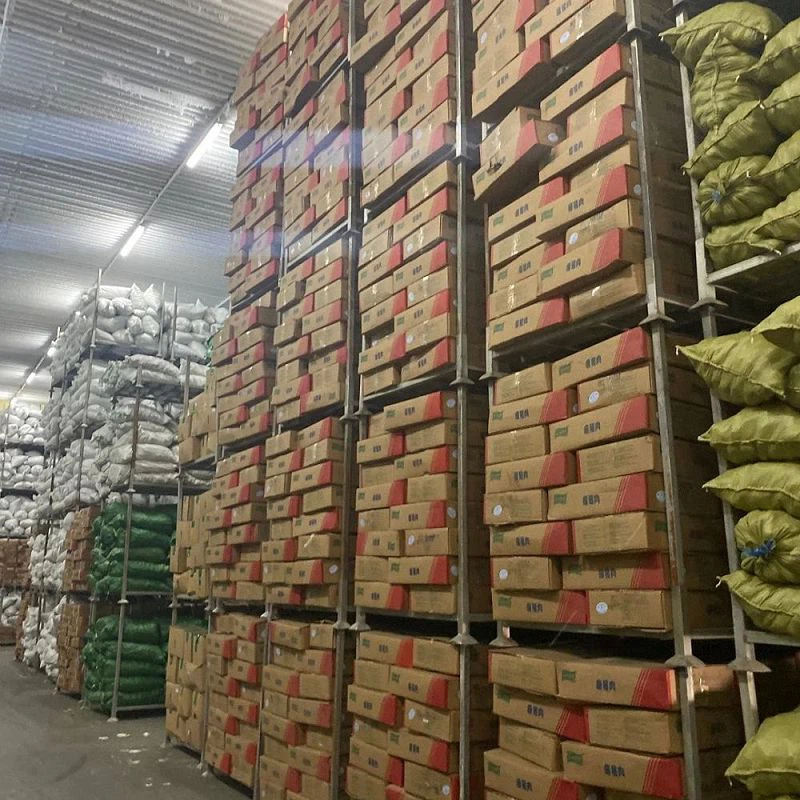
Warehouse detachable racks are designed to meet the specific needs of warehouse storage. They often have a modular design, which allows for easy assembly and disassembly. The load - distribution principle for these racks focuses on accommodating a variety of goods with different weights and sizes. The beams are usually adjustable to different heights to optimize the use of vertical space, and the load is distributed accordingly to ensure stability.
Hot - Dip Galvanized Detachable Rack
Hot - dip galvanized detachable racks are coated with a thick layer of zinc through a hot - dip process. This provides excellent corrosion resistance. The thick zinc coating also adds a small amount of additional weight to the rack, which needs to be considered in the load - distribution calculations. However, the overall load - bearing capacity of these racks is not significantly affected, and they follow the same general load - distribution principles as other types.

Conclusion
In conclusion, the load - distribution principle of a detachable rack is a complex but essential aspect of its design and operation. It involves considering various factors such as rack design, material quality, and loading pattern. Proper load distribution ensures the safety, durability, and efficiency of the storage system.
As a detachable rack supplier, we are committed to providing high - quality racks that adhere to strict load - distribution standards. If you are in the market for detachable racks and have specific load - bearing requirements, we would be more than happy to assist you. Our team of experts can help you choose the right type of rack and ensure that it is installed and loaded correctly to achieve optimal load distribution. Contact us to start a procurement discussion and find the best storage solution for your needs.
References
- "Steel Storage Racks: Design, Fabrication, and Erection" by the Rack Manufacturers Institute.
- "Structural Analysis of Storage Racks" in the Journal of Structural Engineering.