


Hey there! As a supplier of High Loading Metal Pallets, I often get asked about the materials used to make these heavy - duty pallets. In this blog, I'm gonna break down the key materials and explain why they're so important for high - loading applications.
Steel: The Go - To Material
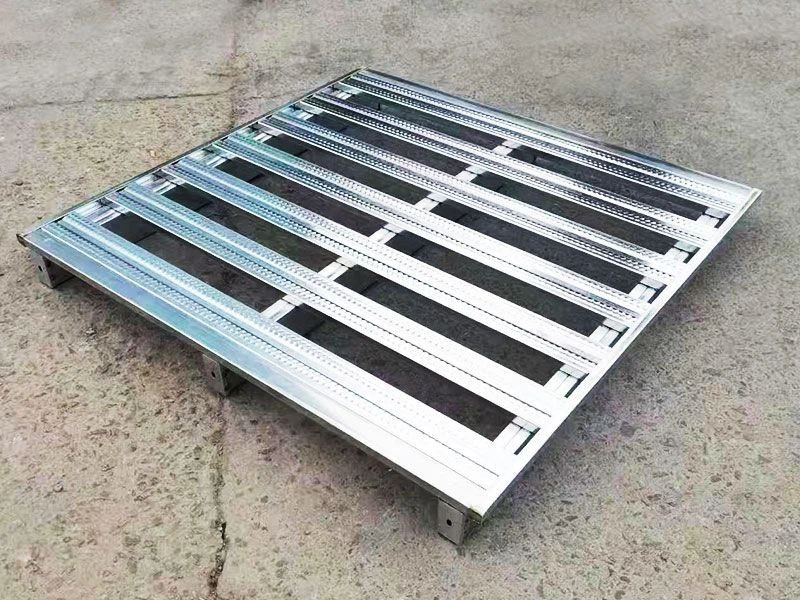
First off, steel is hands - down the most common material for high loading metal pallets. It's like the backbone of these pallets, and for good reason.
Strength and Durability
Steel is incredibly strong. It can withstand a huge amount of weight without bending or breaking. This is crucial for high loading pallets because they're designed to carry heavy loads, sometimes several tons at a time. Whether you're stacking heavy machinery parts, industrial equipment, or large quantities of goods, steel pallets can handle it.
The durability of steel also means that these pallets have a long lifespan. They can endure the wear and tear of regular use in tough industrial environments, like warehouses, factories, and shipping yards. You won't have to worry about replacing them frequently, which saves you money in the long run.
Resistance to Corrosion
Modern steel pallets are often treated to resist corrosion. For example, galvanized steel is coated with a layer of zinc, which acts as a barrier against rust and other forms of corrosion. This is especially important if the pallets are going to be used in damp or humid conditions, or if they'll be exposed to chemicals. A corrosion - resistant pallet will maintain its structural integrity over time, ensuring that it can continue to support heavy loads safely.
You can check out our Steel Storage Pallet page to see some of the high - quality steel pallets we offer.
Aluminum: A Lightweight Alternative
While steel is the king of high - loading pallets, aluminum also has its place in the market.
Lightweight Nature
Aluminum is much lighter than steel. This can be a huge advantage in some situations, especially when it comes to transportation. Lighter pallets mean lower shipping costs because you're not paying to transport extra weight. They're also easier to handle manually, which can increase efficiency in the workplace.
Good Strength - to - Weight Ratio
Despite being lightweight, aluminum still has a good strength - to - weight ratio. It can support a decent amount of weight relative to its own mass. This makes it suitable for applications where you need a pallet that can carry a reasonable load but where weight is a concern, such as in the aerospace or automotive industries.
Resistance to Corrosion
Like steel, aluminum is also resistant to corrosion. It forms a natural oxide layer on its surface, which protects it from rust and other forms of degradation. This makes aluminum pallets a great choice for outdoor use or in environments where they might be exposed to moisture.
If you're interested in an alternative to steel, take a look at our Metal Steeel Pallet options, which include some high - quality aluminum pallets.
Stainless Steel: For Specialized Applications
Stainless steel is another material that's used in the production of high loading metal pallets, especially for specialized applications.
Hygiene and Cleanliness
Stainless steel is non - porous and easy to clean. This makes it ideal for industries where hygiene is a top priority, such as the food and beverage industry, pharmaceuticals, and healthcare. You can easily sanitize stainless steel pallets to prevent the growth of bacteria and other contaminants, ensuring that your products remain safe and clean.
High - Endurance in Harsh Environments
Stainless steel is extremely resistant to corrosion, even in harsh chemical environments. It can withstand exposure to acids, alkalis, and other corrosive substances without losing its strength or integrity. This makes it suitable for use in chemical plants, laboratories, and other industrial settings where the pallets might come into contact with aggressive chemicals.
Other Materials and Composites
In addition to the main materials mentioned above, some high loading metal pallets may incorporate other materials or composites to enhance their performance.
Reinforcing Elements
Sometimes, pallets are reinforced with additional materials like fiberglass or carbon fiber. These materials can add extra strength and stiffness to the pallet, allowing it to support even higher loads. They can also help to reduce the weight of the pallet without sacrificing too much strength.
Surface Coatings
Pallets may have special surface coatings to improve their functionality. For example, a non - slip coating can be applied to the surface of the pallet to prevent goods from sliding off during transportation or storage. Anti - static coatings can be used in environments where static electricity is a concern, such as in electronics manufacturing.

Why Choose Our High Loading Metal Pallets?
As a supplier of High Loading Metal Pallet, we take pride in offering top - quality pallets made from the best materials. We understand that every customer has different needs, so we offer a wide range of options in terms of material, size, and load capacity.
Our pallets are manufactured using the latest technology and strict quality control measures. This ensures that each pallet meets or exceeds industry standards for strength, durability, and safety. Whether you need a pallet for a small - scale operation or a large - scale industrial project, we've got you covered.
Let's Talk!
If you're in the market for high loading metal pallets, I'd love to have a chat with you. We can discuss your specific requirements, such as the type of goods you'll be storing or transporting, the environment in which the pallets will be used, and your budget. Our team of experts is here to help you find the perfect pallet solution for your business.
Don't hesitate to reach out and start the conversation. Let's work together to get you the high - quality high loading metal pallets you need.
References
- "Handbook of Pallet Design and Management"
- "Materials Science and Engineering: An Introduction"
- Industry reports on metal pallet manufacturing and usage


