Cleaning steel pallets is an essential maintenance task that not only extends their lifespan but also ensures the safety and efficiency of your storage and logistics operations. As a trusted steel pallet supplier, I understand the importance of proper pallet care. In this blog, I'll share some effective methods and best practices for cleaning steel pallets.
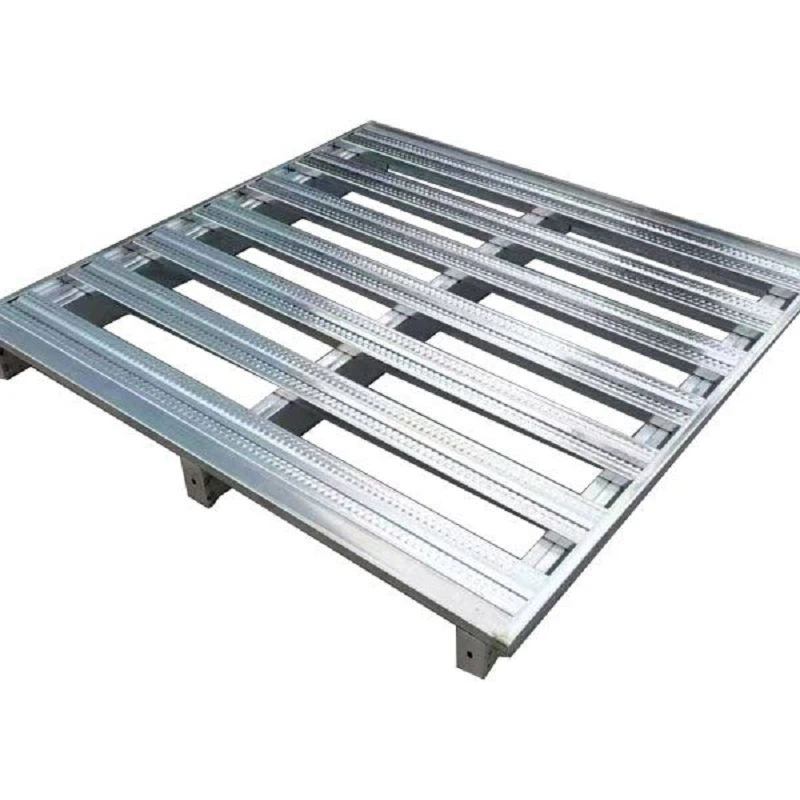

Why Clean Steel Pallets?
Before diving into the cleaning process, it's crucial to understand why cleaning steel pallets is necessary. Steel pallets are often used in industrial settings where they are exposed to various contaminants such as dirt, grease, oil, and even chemicals. These contaminants can cause several problems:
- Corrosion: Dirt and moisture can accelerate the corrosion process, weakening the structural integrity of the pallets over time.
- Safety Hazards: Grease and oil on the pallet surface can make them slippery, increasing the risk of accidents in the workplace.
- Product Contamination: If the pallets are used to transport food, pharmaceuticals, or other sensitive products, any contaminants on the pallets can contaminate the goods.
- Aesthetics: Clean pallets give a professional and organized look to your warehouse or storage facility.
Pre - cleaning Preparation
Before you start cleaning the steel pallets, you need to take some preparatory steps:
- Inspect the Pallets: Check for any signs of damage such as cracks, bent bars, or loose welds. If you find any damaged pallets, set them aside for repair or replacement.
- Remove Loose Debris: Use a broom or a compressed air gun to remove any loose dirt, dust, or debris from the pallets. This will make the subsequent cleaning steps more effective.
- Wear Protective Gear: Put on safety goggles, gloves, and a dust mask to protect yourself from any chemicals or debris that may be released during the cleaning process.
Cleaning Methods
There are several methods you can use to clean steel pallets, depending on the level of contamination and the available resources.
Manual Cleaning
- Soap and Water: For light dirt and grime, a simple solution of mild soap and water can be very effective. Fill a bucket with warm water and add a small amount of mild dish soap. Dip a sponge or a soft - bristle brush into the soapy water and scrub the pallets thoroughly. Rinse the pallets with clean water using a hose or a pressure washer on a low - pressure setting.
- Vinegar Solution: Vinegar is a natural and eco - friendly cleaning agent. Mix equal parts of white vinegar and water in a spray bottle. Spray the solution onto the pallets and let it sit for a few minutes. Then, scrub the pallets with a brush and rinse with water. Vinegar can also help remove rust stains to some extent.
Chemical Cleaning
- Degreasers: If the pallets are heavily soiled with grease and oil, a commercial degreaser can be used. Choose a degreaser that is suitable for steel surfaces. Follow the manufacturer's instructions on the product label. Usually, you need to apply the degreaser to the pallets, let it dwell for a specified time to break down the grease, and then scrub and rinse the pallets.
- Rust Removers: For pallets with rust, there are specialized rust removers available in the market. These products contain chemicals that react with the rust and dissolve it. Apply the rust remover according to the instructions, let it work for the recommended time, and then rinse the pallets thoroughly.
Pressure Washing
Pressure washing is a fast and efficient way to clean large numbers of steel pallets. Use a pressure washer with an appropriate nozzle and pressure setting. Start with a low pressure and gradually increase it if necessary. Keep the nozzle at a safe distance from the pallets to avoid damaging the surface. Pressure washing can quickly remove dirt, debris, and some light rust. However, be careful not to use excessive pressure, as it can cause dents or damage to the pallets.
Drying and Post - cleaning Maintenance
After cleaning the steel pallets, it's important to dry them thoroughly to prevent rusting. You can let the pallets air - dry in a well - ventilated area, or use a clean cloth or a compressed air gun to speed up the drying process.
Once the pallets are dry, you can apply a protective coating to prevent future corrosion. There are various types of coatings available, such as paint, powder coating, or a rust - inhibiting spray. Choose a coating that is suitable for the intended use of the pallets.
Storage and Handling
Proper storage and handling of clean steel pallets are also important to maintain their cleanliness. Store the pallets in a dry and clean area, away from moisture and chemicals. Stack the pallets carefully to avoid any damage. When handling the pallets, use appropriate equipment such as forklifts or pallet jacks to prevent scratches or dents.
Conclusion
Cleaning steel pallets is a vital part of their maintenance. By following the methods and best practices outlined in this blog, you can keep your steel pallets in good condition, extend their lifespan, and ensure the safety and efficiency of your operations.
If you are looking for high - quality Storage Steel Pallet, we are here to provide you with the best solutions. Our steel pallets are durable, reliable, and designed to meet your specific needs. Whether you need pallets for storage, transportation, or any other industrial application, we have the expertise and products to serve you. Contact us today to discuss your requirements and start a procurement negotiation.
References
- "Industrial Pallet Maintenance Guide", Industrial Equipment Magazine, 2022
- "Best Practices for Cleaning Metal Surfaces", Cleaning Technology Journal, 2021