


Optimizing the layout of storage steel pallets in a factory is a crucial task that can significantly enhance operational efficiency, reduce costs, and improve overall safety. As a Storage Steel Pallet [/pallet/steel-pallet/storage-steel-pallet.html] supplier, I have witnessed firsthand the impact of a well - planned pallet layout on factory operations. In this blog, I will share some key strategies and considerations for optimizing the storage steel pallet layout in a factory.
Understanding the Basics of Storage Steel Pallets
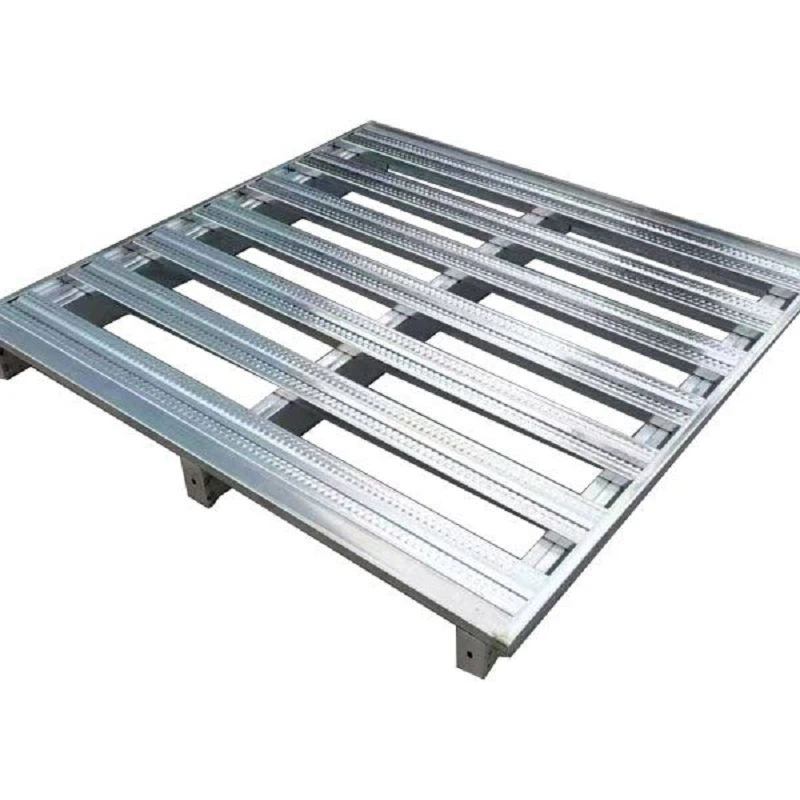
Before delving into layout optimization, it's essential to understand the characteristics of storage steel pallets. Storage steel pallets are known for their durability, high load - bearing capacity, and resistance to damage. They are suitable for storing heavy and bulky items, and can withstand harsh industrial environments. The standard sizes of storage steel pallets vary, but common dimensions include 1000mm x 1200mm and 800mm x 1200mm.
Assessing Factory Space and Requirements
The first step in optimizing the pallet layout is to assess the factory space and requirements. This involves measuring the available floor area, identifying any structural limitations such as columns or support beams, and understanding the types and volumes of goods to be stored. For example, if your factory deals with a large volume of long - term storage of heavy machinery parts, you will need a layout that maximizes storage capacity while ensuring easy access to the pallets.
Selecting the Right Pallet Racking System
The choice of pallet racking system is a critical factor in layout optimization. There are several types of racking systems available, each with its own advantages and disadvantages.

- Selective Racking: This is the most common type of racking system. It allows for direct access to each pallet, making it ideal for factories with a high turnover of goods. Selective racking can be adjusted to accommodate different pallet sizes and load weights.
- Drive - In Racking: This system is suitable for storing large quantities of the same product. Pallets are stored in a last - in, first - out (LIFO) manner, which can be a drawback if your inventory management requires a first - in, first - out (FIFO) approach. However, drive - in racking maximizes storage density by eliminating aisles between racks.
- Push - Back Racking: Push - back racking operates on a LIFO principle but offers better selectivity compared to drive - in racking. Pallets are stored on nested carts that are pushed back as new pallets are loaded. This system is a good compromise between storage density and access to pallets.
Designing the Aisle Layout
The aisle layout in a factory can have a significant impact on the efficiency of pallet handling. Narrow aisles can increase storage capacity but may require specialized equipment such as reach trucks or very narrow aisle (VNA) forklifts. On the other hand, wider aisles provide more maneuvering space for standard forklifts but reduce the overall storage area.
When designing the aisle layout, consider the turning radius of the forklifts or other material handling equipment that will be used. Ensure that there is enough space for the equipment to safely pick up and deposit pallets without causing damage to the racks or other pallets.
Implementing a Slotting Strategy
Slotting is the process of assigning specific locations for different types of pallets based on their characteristics and usage frequency. High - turnover pallets should be placed in easily accessible locations near the loading and unloading areas. This reduces the time and distance required for material handling, improving overall productivity.
For example, if you have a product that is frequently ordered and shipped, place the pallets containing this product on the lower levels of the racking system or in the front rows of a drive - in rack. Conversely, slow - moving items can be stored in less accessible areas such as the upper levels of the racks or the back of the drive - in racks.
Considering Safety and Ergonomics
Safety should always be a top priority when optimizing the pallet layout. Ensure that the racking systems are properly installed and maintained to prevent collapses or other accidents. Provide clear signage indicating the weight limits, loading directions, and safety procedures for each rack.
Ergonomics is also an important consideration. Design the layout in a way that minimizes the physical strain on workers. For example, place frequently accessed pallets at a comfortable height to reduce the need for excessive bending, reaching, or lifting.
Utilizing Vertical Space
One of the most effective ways to optimize the storage steel pallet layout is to utilize vertical space. Storage steel pallets are designed to be stacked, and modern racking systems can reach significant heights. By increasing the height of the racks, you can store more pallets in the same floor area.
However, when stacking pallets vertically, it's important to ensure that the weight is evenly distributed and that the pallets are stable. Overloading a pallet or stacking them too high can lead to instability and potential safety hazards.
Implementing a Warehouse Management System (WMS)
A Warehouse Management System (WMS) can greatly enhance the efficiency of the pallet layout. A WMS uses software to track inventory, manage storage locations, and optimize the movement of pallets within the factory. It can provide real - time information on the availability of pallets, their locations, and the status of incoming and outgoing shipments.
By integrating a WMS with the pallet layout, you can automate many of the processes involved in inventory management, such as pallet assignment, picking, and replenishment. This reduces the risk of human error and improves the overall accuracy and efficiency of the factory operations.
Regularly Reviewing and Updating the Layout
The pallet layout in a factory is not a static design. As your business grows, the types and volumes of goods you store may change, and new material handling equipment may be introduced. Therefore, it's important to regularly review and update the pallet layout to ensure that it continues to meet your operational needs.
Conduct periodic audits of your storage area to identify any inefficiencies or bottlenecks. Analyze the data from your WMS to determine if there are any areas where the layout can be improved. Based on your findings, make the necessary adjustments to the racking systems, aisle layout, or slotting strategy.
Conclusion
Optimizing the layout of storage steel pallets in a factory is a complex but rewarding process. By following the strategies and considerations outlined in this blog, you can improve the efficiency, safety, and productivity of your factory operations. As a Storage Steel Pallet [/pallet/steel-pallet/storage-steel-pallet.html] supplier, I am committed to helping you find the best solutions for your storage needs. If you are interested in learning more about our products or discussing how we can assist you in optimizing your pallet layout, please feel free to contact us for a detailed consultation.
References
- "Warehouse Design and Operation: Best Practices for Improving Efficiency" by Robert J. Bowersox, David J. Closs, and M. Bixby Cooper.
- "Material Handling Handbook" by the Material Handling Institute.
- Industry whitepapers on storage steel pallets and warehouse layout optimization.


