Warehouses are the backbone of many businesses, serving as the central hub for storing and managing inventory. A well-organized warehouse not only enhances efficiency but also maximizes space utilization and reduces operational costs. One of the most effective ways to achieve this is by using goods shelving racks. As a leading Goods Shelving Rack supplier, I've witnessed firsthand how the right shelving solutions can transform a warehouse. In this blog, I'll share some practical tips on how to organize a warehouse using goods shelving racks.
Assessing Your Warehouse Needs
Before you start installing shelving racks, it's crucial to assess your warehouse's specific requirements. Consider the following factors:
- Inventory Types: Different products have different storage needs. For instance, if you're storing bulky items, you'll need racks with wider shelves and higher weight capacities. On the other hand, if you're dealing with small, lightweight items, you can opt for more compact shelving solutions.
- Warehouse Space: Measure the dimensions of your warehouse, including the height, width, and length. This will help you determine the size and number of racks that can fit comfortably in your space. Also, take note of any obstacles such as columns, doors, or windows that may affect the placement of the racks.
- Accessibility: Think about how you want to access your inventory. Do you need easy access to frequently picked items? If so, you may want to consider using racks with a first-in, first-out (FIFO) or last-in, first-out (LIFO) system. Additionally, ensure that there is enough aisle space for forklifts or other material handling equipment to move freely.
Choosing the Right Shelving Racks
Once you've assessed your warehouse needs, it's time to choose the right shelving racks. There are several types of shelving racks available, each with its own advantages and disadvantages. Here are some common types of shelving racks:
- Pallet Racks: Pallet racks are the most common type of shelving used in warehouses. They are designed to store palletized goods and are available in various configurations, including selective, drive-in, and push-back racks. Selective pallet racks offer easy access to each pallet, making them ideal for high-turnover items. Drive-in and push-back racks, on the other hand, are more suitable for storing large quantities of the same product.
- Cantilever Racks: Cantilever racks are ideal for storing long, bulky items such as lumber, pipes, and steel bars. They feature arms that extend from a vertical column, providing easy access to the stored items. Cantilever racks can be single-sided or double-sided, depending on your storage needs.
- Wire Shelving: Wire shelving is a popular choice for warehouses that require good visibility and ventilation. It is made of wire mesh and is available in various sizes and configurations. Wire shelving is easy to install and can be adjusted to accommodate different types of products.
- Mezzanine Racks: Mezzanine racks are a cost-effective way to increase storage space in a warehouse. They are installed above the existing floor level and can be used to store additional inventory or as a workspace. Mezzanine racks can be customized to fit your specific needs and can be accessed using stairs, ladders, or elevators.
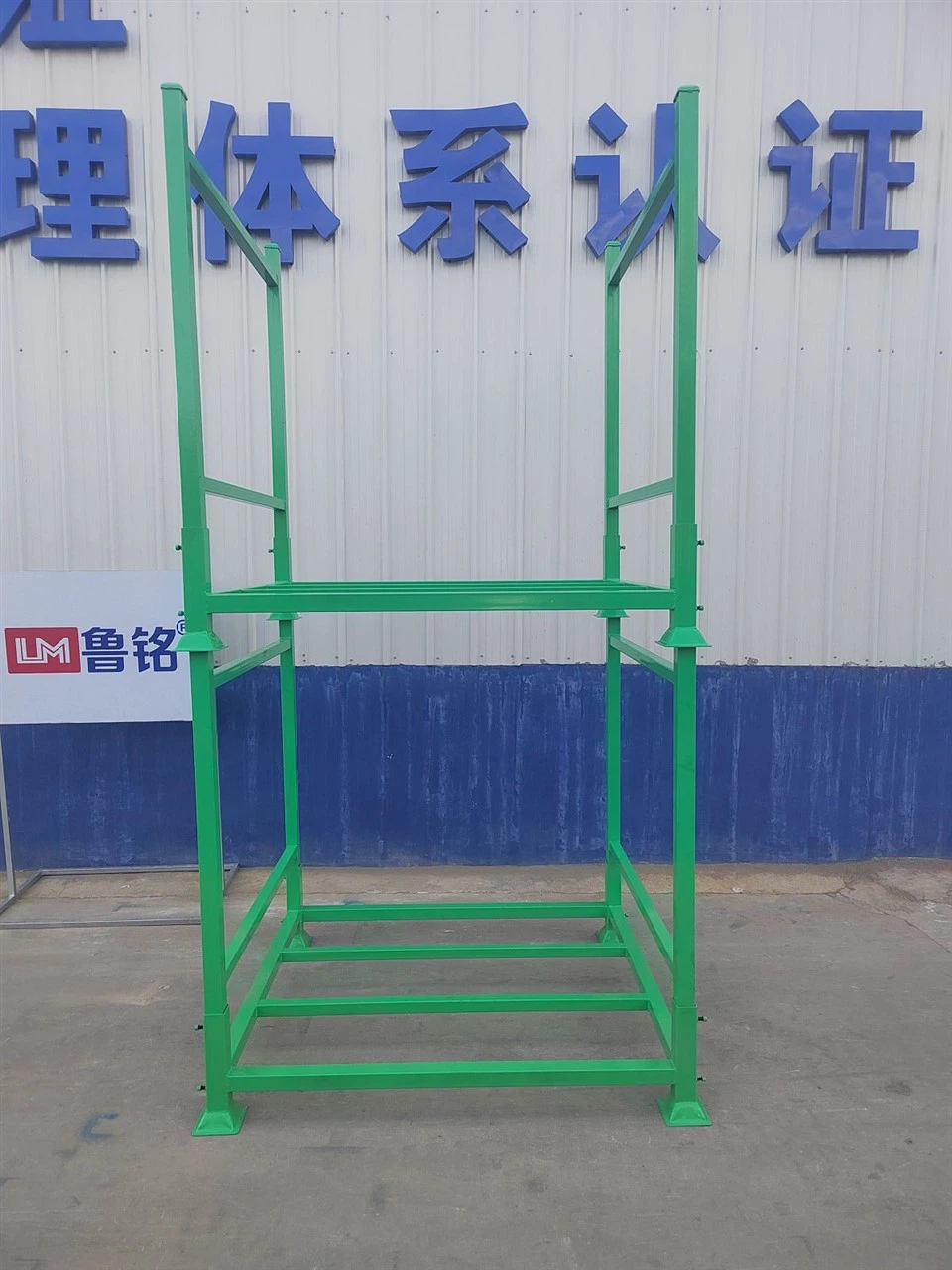
As a Goods Shelving Rack supplier, I can provide you with a wide range of shelving solutions to meet your specific needs. Whether you're looking for Stacking Rack for Cold Room Storage, Movable Rack for Frozen Food Storage, or Cold Storage Industrial Racking, I have the expertise and experience to help you find the right solution.
Planning the Layout
Once you've chosen the right shelving racks, it's time to plan the layout of your warehouse. A well-planned layout can improve efficiency, reduce travel time, and increase productivity. Here are some tips for planning the layout of your warehouse:
- Group Similar Items: Group similar items together to make it easier to find and access them. For example, you can group all the products from the same supplier or all the products with the same SKU number.
- Use Zones: Divide your warehouse into different zones based on the type of products, the frequency of use, or the storage requirements. For example, you can create a zone for fast-moving items, a zone for slow-moving items, and a zone for hazardous materials.
- Consider Traffic Flow: Plan the layout of your warehouse to ensure that there is a smooth flow of traffic. This includes designing wide aisles, minimizing the number of turns, and providing clear signage.
- Optimize Space Utilization: Use the vertical space in your warehouse by installing tall shelving racks. This can help you maximize your storage capacity without taking up additional floor space.
Installing the Shelving Racks
Once you've planned the layout of your warehouse, it's time to install the shelving racks. Here are some tips for installing the shelving racks:
- Follow the Manufacturer's Instructions: Make sure to follow the manufacturer's instructions carefully when installing the shelving racks. This will ensure that the racks are installed correctly and safely.
- Use the Right Tools: Use the right tools for the job, such as a drill, a level, and a wrench. This will help you install the racks quickly and efficiently.
- Secure the Racks: Make sure to secure the racks to the floor and the wall to prevent them from tipping over. This is especially important if you're using tall shelving racks.
- Test the Racks: Once the racks are installed, test them to make sure they are stable and can support the weight of the inventory. You can do this by loading the racks with a small amount of inventory and checking for any signs of instability.
Maintaining the Shelving Racks
Once the shelving racks are installed, it's important to maintain them to ensure their longevity and safety. Here are some tips for maintaining the shelving racks:
- Inspect the Racks Regularly: Inspect the racks regularly for any signs of damage or wear. This includes checking for bent or broken shelves, loose bolts, and rust.
- Clean the Racks: Clean the racks regularly to remove any dirt, dust, or debris. This will help prevent corrosion and extend the life of the racks.
- Repair or Replace Damaged Racks: If you notice any damage to the racks, repair or replace them immediately. This will help prevent accidents and ensure the safety of your employees.
- Train Your Employees: Train your employees on how to use the shelving racks safely and properly. This includes teaching them how to load and unload the racks, how to operate the material handling equipment, and how to avoid overloading the racks.
Conclusion
Organizing a warehouse using goods shelving racks is a complex process that requires careful planning, choosing the right shelving solutions, and proper installation and maintenance. As a Goods Shelving Rack supplier, I can help you every step of the way. Whether you're looking to optimize your warehouse space, improve efficiency, or increase productivity, I have the expertise and experience to provide you with the right shelving solutions.
If you're interested in learning more about our Goods Shelving Rack products or would like to discuss your specific warehouse needs, please don't hesitate to contact us. We look forward to working with you to create a well-organized and efficient warehouse.

References
- "Warehouse Design and Layout: Best Practices." Material Handling & Logistics, 2023.
- "Shelving Systems: Types, Applications, and Benefits." Industrial Storage Solutions, 2023.
- "How to Choose the Right Shelving for Your Warehouse." Warehouse Management Today, 2023.