


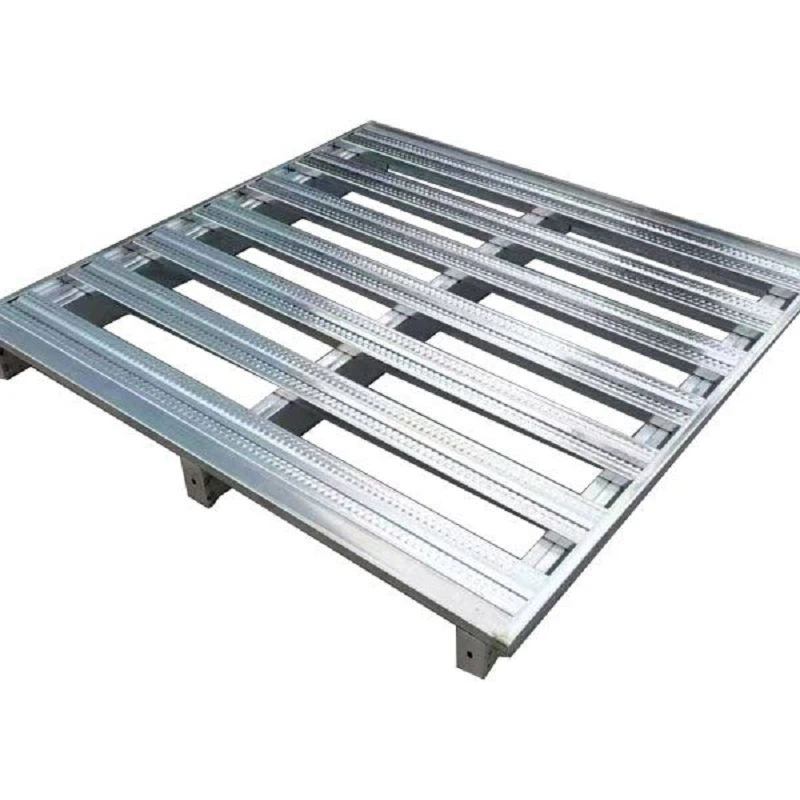
Hey there! As a supplier of Storage Steel Pallet, I've seen my fair share of dirty and grimy pallets over the years. A clean storage steel pallet not only looks good but also lasts longer and keeps your goods safer. So, I'm here to share some tips on how to clean storage steel pallets effectively.
Why Cleaning Storage Steel Pallets is Important
First off, let's talk about why cleaning these pallets matters. Storage steel pallets are constantly exposed to all sorts of things - dirt, dust, grease, and sometimes even chemicals. If you don't clean them regularly, this buildup can cause corrosion. Corrosion weakens the pallets, making them less sturdy and more likely to break under the weight of your stored items.
Moreover, a dirty pallet can contaminate the goods it's holding. Imagine you're storing food products on a pallet that's covered in grime. That's a big no - no! Clean pallets ensure the integrity of your products and maintain a high - quality storage environment.
Tools and Materials You'll Need
Before you start cleaning, gather the right tools and materials. You don't need anything too fancy, just a few common items:
- A stiff - bristled brush: This is great for scrubbing off tough dirt and debris.
- A pressure washer: If you have a large number of pallets or they're really dirty, a pressure washer can save you a lot of time and effort.
- A mild detergent: Look for a detergent that's suitable for steel surfaces. Avoid using harsh chemicals that could damage the pallets.
- A bucket: You'll need this to mix your detergent and water.
- Safety gear: Gloves and goggles are a must to protect your hands and eyes from the cleaning solution and any flying debris.
Step - by - Step Cleaning Process
Step 1: Pre - Inspection
Before you start cleaning, take a good look at the pallets. Check for any signs of damage, like bent bars or loose welds. If you find any issues, it's best to repair them before cleaning. This way, you can ensure the pallet is in good working condition.
Step 2: Remove Loose Debris
Use a broom or a brush to sweep off any loose dirt, dust, or debris from the pallet. This step makes the subsequent cleaning process much easier. You can also use compressed air to blow out any dirt that's stuck in the crevices.
Step 3: Prepare the Cleaning Solution
Fill a bucket with warm water and add a small amount of the mild detergent. Stir the solution well until it's nice and soapy. You don't need to use a lot of detergent; a little goes a long way.
Step 4: Scrub the Pallet
Dip the stiff - bristled brush into the cleaning solution and start scrubbing the pallet. Pay special attention to areas that are particularly dirty, like the corners and the areas where the pallets come into contact with the ground. Use firm, circular motions to loosen the dirt and grime.
If you're dealing with stubborn stains, you can let the cleaning solution sit on the stain for a few minutes before scrubbing. This gives the detergent time to break down the dirt.
Step 5: Rinse the Pallet
Once you've scrubbed the entire pallet, it's time to rinse it off. If you have a pressure washer, this is the perfect time to use it. Set the pressure to a medium level and spray the pallet thoroughly to remove all the soapy water and loosened dirt.
If you don't have a pressure washer, you can use a hose to rinse the pallet. Make sure you rinse every part of the pallet, including the undersides and the hard - to - reach areas.
Step 6: Dry the Pallet
After rinsing, let the pallet air - dry. You can also use a clean, dry cloth to wipe off any excess water. It's important to dry the pallet completely to prevent rust from forming.
Special Considerations
Grease and Oil Stains
If your pallets have grease or oil stains, you may need to use a degreaser. Look for a degreaser that's safe for steel. Apply the degreaser to the stained area and let it sit for a few minutes. Then, scrub the area with a brush and rinse it off thoroughly.
Rust Removal
If you notice any rust on the pallets, don't panic. You can remove light rust using a wire brush. Scrub the rusted area gently until the rust is gone. For more severe rust, you may need to use a rust remover. Follow the instructions on the rust remover carefully and make sure to rinse the pallet well after use.
Maintenance Tips
Cleaning your storage steel pallets is not a one - time thing. To keep them in top condition, you should establish a regular cleaning schedule. Depending on how often the pallets are used and the environment they're in, you may need to clean them monthly, quarterly, or even annually.
Also, store the pallets in a dry, well - ventilated area. Moisture is the enemy of steel pallets, as it can lead to rust. If possible, cover the pallets when they're not in use to protect them from the elements.
Conclusion
Cleaning storage steel pallets is an important part of maintaining their quality and longevity. By following these simple steps, you can keep your pallets clean, safe, and in good working condition.
If you're in the market for high - quality storage steel pallets or need more advice on pallet maintenance, don't hesitate to reach out. We're here to help you find the best solutions for your storage needs. Whether you're a small business or a large corporation, we have the right pallets for you. Contact us today to start a conversation about your requirements!

References
- "Steel Pallet Maintenance Guide" - Industry - specific publication on pallet care.
- "Best Practices for Cleaning Industrial Equipment" - General resource on cleaning industrial items.


