As a Warehouse Shelve Rack supplier, I understand the critical importance of ensuring the safety of the storage environment. One of the most effective ways to safeguard a warehouse, especially areas around shelve racks, is by installing a reliable fire - suppression system. In this blog, I'll guide you through the process of installing a fire - suppression system near a warehouse shelve rack.
Understanding the Need for Fire - Suppression Systems
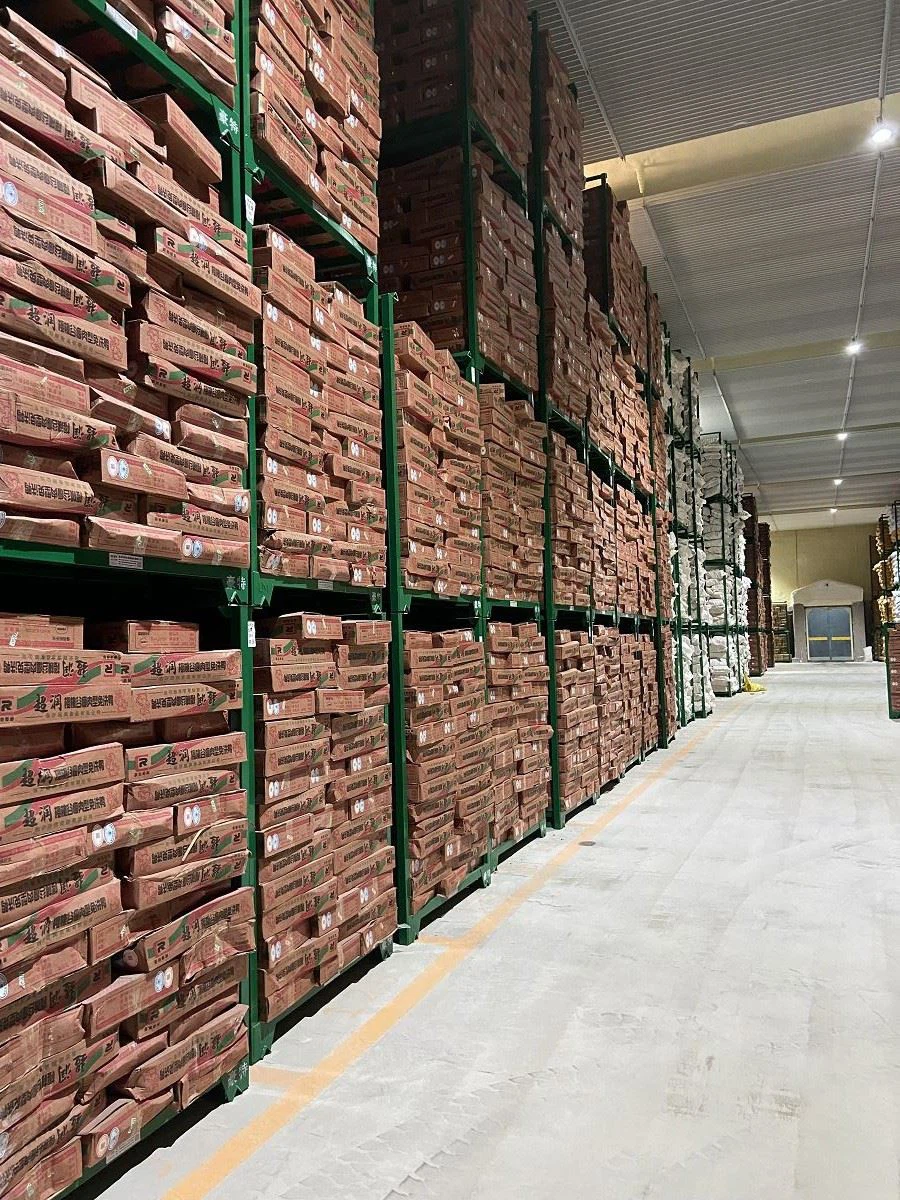
Warehouses are filled with various types of goods, many of which can be highly flammable. Shelve racks, whether they are Warehouse Shelve Rack, Movable Rack for Frozen Food Storage, or Fabric Storage Rack, are often densely packed. A fire in such an environment can spread rapidly, causing significant damage to inventory, equipment, and the structure of the warehouse itself. A well - installed fire - suppression system can detect and extinguish fires in their early stages, minimizing losses and protecting lives.
Types of Fire - Suppression Systems
There are several types of fire - suppression systems available, and the choice depends on the nature of the stored goods, the layout of the warehouse, and local fire safety regulations.
Sprinkler Systems
Sprinkler systems are the most common type of fire - suppression system in warehouses. They work by releasing water when a fire is detected. There are two main types: wet pipe and dry pipe sprinkler systems.
- Wet Pipe Sprinkler Systems: These systems are filled with water at all times. When the heat from a fire activates a sprinkler head, water is immediately released. They are simple, reliable, and cost - effective. However, they are not suitable for areas where freezing temperatures are a concern.
- Dry Pipe Sprinkler Systems: In dry pipe systems, air or nitrogen is in the pipes until a fire is detected. Once the fire is detected, the air is released, and water fills the pipes. This makes them suitable for unheated areas or areas where freezing is a risk.
Clean Agent Systems
Clean agent systems use gaseous agents to suppress fires. These agents are non - conductive, non - corrosive, and leave no residue. They are ideal for protecting sensitive equipment and areas where water damage could be a problem, such as areas with electronic inventory stored on Warehouse Shelve Rack.
Foam Systems
Foam systems are used for suppressing fires involving flammable liquids. The foam creates a barrier between the fuel and the oxygen, smothering the fire. They are commonly used in warehouses that store chemicals or petroleum products.
Steps to Install a Fire - Suppression System Near a Warehouse Shelve Rack
Step 1: Conduct a Fire Risk Assessment
Before installing a fire - suppression system, it's essential to conduct a thorough fire risk assessment. This involves identifying potential fire hazards, such as flammable materials, electrical equipment, and heat sources. The layout of the warehouse, including the location and configuration of the shelve racks, also needs to be considered. For example, if you have Fabric Storage Rack filled with highly flammable fabrics, the fire risk will be higher, and a more robust fire - suppression system may be required.
Step 2: Choose the Right System
Based on the fire risk assessment, select the most appropriate fire - suppression system. Consider factors such as the type of stored goods, the size of the area, and the budget. Consult with a fire safety professional to ensure that the chosen system meets all local fire safety regulations.
Step 3: Plan the Installation
Once the system is chosen, plan the installation carefully. This includes determining the location of the system components, such as sprinkler heads, control panels, and pipes. The layout of the shelve racks should be taken into account to ensure that the system can effectively cover all areas. For example, sprinkler heads should be installed at the correct height and spacing to provide adequate coverage of the racks.
Step 4: Prepare the Installation Site
Before installation begins, prepare the site. This may involve clearing the area around the shelve racks, ensuring that there is access for the installation team, and making any necessary modifications to the warehouse structure. For example, if installing a sprinkler system, holes may need to be drilled in the ceiling for the pipes.

Step 5: Install the System Components
The installation of the fire - suppression system components should be carried out by a qualified and experienced installation team. This includes installing the pipes, sprinkler heads, control panels, and any other necessary equipment. The installation should be done according to the manufacturer's instructions and local fire safety codes.
Step 6: Test the System
Once the installation is complete, the fire - suppression system needs to be thoroughly tested. This includes testing the detection system, the activation of the suppression agents, and the overall functionality of the system. Any issues or malfunctions should be addressed immediately.
Step 7: Train Warehouse Staff
After the system is installed and tested, it's important to train warehouse staff on the proper use and maintenance of the fire - suppression system. This includes how to recognize the signs of a system malfunction, how to operate the system in an emergency, and the importance of regular inspections.
Maintenance and Inspection
A fire - suppression system requires regular maintenance and inspection to ensure its continued effectiveness. This includes checking the system components for damage, leaks, or corrosion, testing the detection and activation systems, and replacing any worn - out parts. Regular maintenance should be carried out by a qualified fire safety professional.
Conclusion
Installing a fire - suppression system near a warehouse shelve rack is a crucial step in protecting your warehouse, inventory, and employees. By understanding the different types of systems, following the proper installation steps, and ensuring regular maintenance, you can create a safer storage environment.
If you are in the market for Warehouse Shelve Rack or need advice on fire - suppression system installation, we are here to help. Our team of experts can provide you with high - quality shelve racks and professional guidance on fire safety. Contact us to start a procurement discussion and ensure the safety and efficiency of your warehouse.
References
- National Fire Protection Association (NFPA) Standards
- Local Fire Safety Codes and Regulations
- Manufacturer's Installation and Maintenance Manuals for Fire - Suppression Systems