As a supplier of Frozen Meat Storage Racks, I understand the crucial role these racks play in the food storage industry. One of the most common and troublesome issues faced by businesses using these racks is the growth of mold. Mold not only affects the quality and safety of the stored meat but also shortens the lifespan of the storage racks. In this blog, I will share some effective strategies on how to prevent the growth of mold on a frozen meat storage rack.
Understanding the Causes of Mold Growth
Before we delve into the prevention methods, it's essential to understand what causes mold to grow on frozen meat storage racks. Mold thrives in environments that are warm, damp, and dark. In a frozen meat storage facility, the presence of moisture is the primary culprit. This moisture can come from several sources, such as thawing meat, condensation, or improper cleaning.
When meat thaws, it releases water, which can drip onto the racks. If not dried promptly, this water creates a perfect breeding ground for mold. Condensation can also occur when there are significant temperature fluctuations in the storage area. For example, when the freezer door is opened frequently, warm air enters, and when it comes into contact with the cold racks, condensation forms. Additionally, if the racks are not cleaned regularly, food residues and dirt can accumulate, providing nutrients for mold to grow.
Choosing the Right Storage Rack
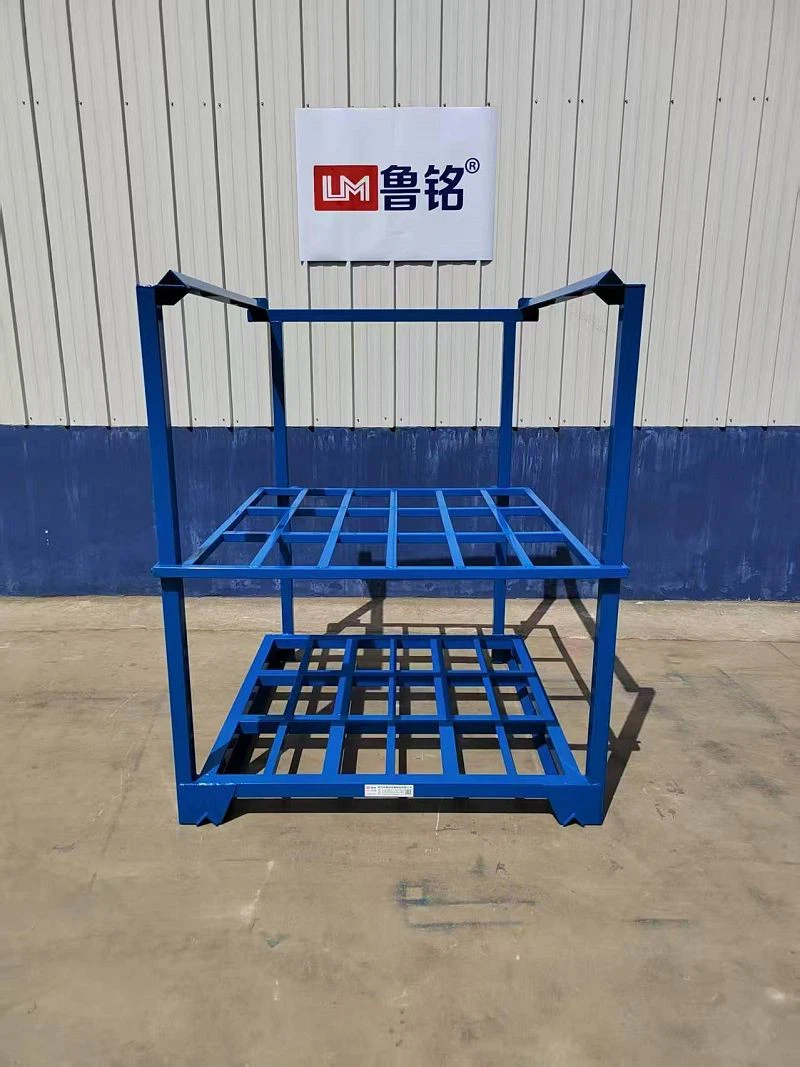
The type of storage rack you choose can significantly impact the likelihood of mold growth. At our company, we offer a variety of high - quality racks designed to minimize the risk of mold. For instance, our Cold Storage Stackable Storage Rack is made from materials that are resistant to corrosion and moisture. These racks are designed with proper ventilation in mind, allowing air to circulate freely around the stored meat. This helps to prevent the buildup of moisture and reduces the chances of mold growth.
Another option is our Warehouse Storage Rack. These racks are built to withstand the harsh conditions of a frozen meat storage environment. They are made from durable materials that can resist the cold temperatures and the potential for moisture exposure. The design of these racks also allows for easy cleaning, which is crucial in preventing mold.
Our Powder - Coated Nestable Racks are also a great choice. The powder - coating provides an extra layer of protection against moisture and corrosion. The nestable design makes them space - efficient and easy to handle, and they can be easily disassembled for thorough cleaning.
Maintaining Proper Temperature and Humidity
Maintaining the right temperature and humidity levels in the storage area is vital for preventing mold growth. The ideal temperature for storing frozen meat is below - 18°C (0°F). At this temperature, the growth of mold and other microorganisms is significantly slowed down. It's important to regularly monitor the temperature using reliable thermometers and ensure that the freezer is functioning properly.
Humidity control is also crucial. The relative humidity in the storage area should be kept as low as possible. High humidity can lead to condensation, which promotes mold growth. You can use dehumidifiers to reduce the humidity levels. Additionally, proper insulation of the storage area can help to prevent temperature fluctuations and reduce the risk of condensation.
Regular Cleaning and Sanitization
Regular cleaning and sanitization of the frozen meat storage racks are essential steps in preventing mold growth. Here's a step - by - step guide on how to clean the racks effectively:
- Remove all the meat: Before cleaning the racks, make sure to remove all the stored meat and transfer it to a temporary storage area. This ensures that the meat is not contaminated during the cleaning process.
- Scrape off debris: Use a scraper or a brush to remove any visible food residues, dirt, or ice from the racks. Pay special attention to the corners and crevices where debris can accumulate.
- Wash with a cleaning solution: Prepare a cleaning solution using a mild detergent and warm water. Dip a sponge or a cloth into the solution and thoroughly wipe down the racks. Make sure to clean all surfaces, including the sides, top, and bottom of the racks.
- Rinse with clean water: After washing the racks with the cleaning solution, rinse them thoroughly with clean water to remove any remaining detergent.
- Sanitize the racks: Use a food - grade sanitizer to sanitize the racks. Follow the instructions on the sanitizer label for the correct dilution ratio and contact time. This helps to kill any remaining bacteria and mold spores.
- Dry the racks: Use a clean, dry cloth or a fan to dry the racks completely. Moisture left on the racks can lead to mold growth, so it's important to ensure that they are thoroughly dried before putting the meat back on.
It's recommended to clean and sanitize the racks at least once a month, or more frequently if there is a high volume of meat turnover or if there are signs of mold or dirt.
Implementing Good Storage Practices
In addition to choosing the right rack, maintaining proper temperature and humidity, and regular cleaning, implementing good storage practices can also help prevent mold growth.
- Proper packaging: Ensure that the meat is properly packaged before storing it on the racks. Use air - tight containers or freezer - safe bags to prevent moisture from seeping in and to reduce the risk of cross - contamination.
- Organize the storage: Arrange the meat on the racks in an organized manner. This allows for better air circulation and makes it easier to access the meat without disturbing the rest of the storage. Avoid overcrowding the racks, as this can restrict air flow and increase the chances of moisture buildup.
- First - in, first - out (FIFO): Implement the FIFO principle when storing meat. This means using the oldest meat first and rotating the stock regularly. This helps to ensure that the meat is used before it has a chance to spoil or develop mold.
Monitoring and Early Detection
Regular monitoring of the storage racks is crucial for early detection of mold growth. Inspect the racks visually on a regular basis for any signs of mold, such as discoloration, fuzzy patches, or a musty odor. If you notice any signs of mold, take immediate action to address the issue.

Isolate the affected racks and remove any contaminated meat. Clean and sanitize the racks as described above. If the mold problem persists, it may be necessary to consult a professional to identify the root cause and provide a more comprehensive solution.
Conclusion
Preventing the growth of mold on a frozen meat storage rack is essential for maintaining the quality and safety of the stored meat and the longevity of the racks. By choosing the right storage rack, such as our Cold Storage Stackable Storage Rack, Warehouse Storage Rack, or Powder - Coated Nestable Racks, maintaining proper temperature and humidity, regularly cleaning and sanitizing the racks, and implementing good storage practices, you can significantly reduce the risk of mold growth.
If you are in the market for high - quality frozen meat storage racks or need more information on preventing mold growth, we are here to help. Contact us today to discuss your specific requirements and start a procurement negotiation. We are committed to providing you with the best solutions for your frozen meat storage needs.
References
- "Food Storage and Preservation" by the United States Department of Agriculture (USDA)
- "Mold Prevention in Food Storage Facilities" by the Food and Drug Administration (FDA)
- "Best Practices for Cold Storage Rack Maintenance" by industry research reports