Hey there! I'm a supplier of Steel Storage Pallets, and today I wanna chat about how to transport these bad boys. Steel storage pallets are super useful in various industries, from manufacturing to warehousing. They're sturdy, durable, and can handle heavy loads. But getting them from point A to point B can be a bit of a challenge if you don't know what you're doing.
Understanding Your Steel Storage Pallets
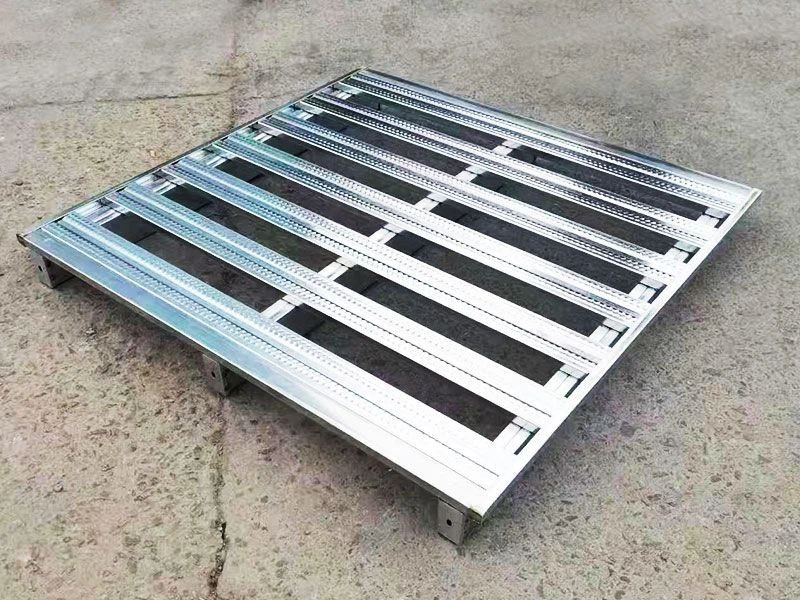
First things first, you gotta understand the type of Steel Storage Pallet you're dealing with. There are different kinds, like Double-Sided Galvanized Pallets and High Loading Metal Pallets. Each type has its own characteristics, and these will affect how you transport them.
Double-sided galvanized pallets are coated with zinc to prevent rust and corrosion. They're great for outdoor use or in humid environments. High loading metal pallets, on the other hand, are designed to carry heavy loads. They have a stronger structure and can handle more weight. Knowing the type of pallet you have will help you choose the right transportation method.
Choosing the Right Transportation Method
When it comes to transporting steel storage pallets, you have a few options. The most common ones are trucks, trains, and ships.
Trucks
Trucks are a popular choice for short to medium-distance transportation. They're flexible and can deliver pallets directly to your destination. You can choose between different types of trucks, like flatbed trucks or box trucks. Flatbed trucks are great for transporting large or irregularly shaped pallets because they have an open bed. Box trucks, on the other hand, are better for protecting pallets from the elements.
Before loading the pallets onto the truck, make sure the truck is clean and free of any debris. You don't want anything to damage the pallets during transportation. Also, use proper securing methods, like straps or chains, to keep the pallets in place. This will prevent them from shifting or falling during the journey.

Trains
Trains are a good option for long-distance transportation. They can carry a large number of pallets at once and are more fuel-efficient than trucks. However, trains have some limitations. They usually have fixed routes and schedules, so you may need to arrange for additional transportation to get the pallets from the train station to your final destination.
When transporting pallets by train, you'll need to use specialized containers or flatcars. These are designed to hold the pallets securely and protect them from damage. Make sure the pallets are properly loaded and secured in the container or flatcar. You may also need to label the pallets with the destination and other important information.
Ships
If you're transporting pallets overseas, ships are the way to go. They can carry a huge volume of pallets and are cost-effective for long-distance shipping. However, shipping by sea takes longer than other transportation methods. You'll need to plan ahead and factor in the transit time.
When shipping pallets by sea, you'll need to use shipping containers. These containers come in different sizes and can be stacked on top of each other. Make sure the pallets are properly packed and secured in the container. You may also need to provide documentation, like a bill of lading, to the shipping company.
Preparing the Pallets for Transportation
Before you transport the pallets, you need to prepare them properly. Here are some steps you can take:
Cleaning
Clean the pallets to remove any dirt, debris, or contaminants. This will not only make the pallets look better but also prevent any damage to the products they'll be carrying. You can use a pressure washer or a simple brush and soap to clean the pallets.
Inspecting
Inspect the pallets for any damage or defects. Look for cracks, bent bars, or loose parts. If you find any issues, repair or replace the pallets before transportation. You don't want to risk having a damaged pallet cause problems during the journey.
Stacking
Stack the pallets properly to maximize space and stability. Make sure the pallets are aligned and stacked evenly. You can use straps or bands to secure the stack and prevent it from collapsing. If you're stacking heavy pallets, make sure the bottom pallets are strong enough to support the weight.
Labeling
Label the pallets with important information, like the destination, the contents, and any handling instructions. This will make it easier for the transportation company to handle the pallets and ensure they're delivered to the right place. You can use labels or stickers to mark the pallets.
Handling and Loading the Pallets
Once the pallets are prepared, it's time to handle and load them onto the transportation vehicle. Here are some tips to help you do it safely and efficiently:
Use the Right Equipment
Use the right equipment to handle the pallets, like forklifts or pallet jacks. Make sure the equipment is in good working condition and is rated to handle the weight of the pallets. Train your employees on how to use the equipment properly to avoid accidents.
Load the Pallets Carefully
Load the pallets onto the transportation vehicle carefully to prevent damage. Make sure the pallets are placed evenly and securely. If you're using a truck, you may need to use ramps or lifts to load the pallets. If you're using a train or a ship, you'll need to follow the specific loading procedures of the transportation company.
Secure the Pallets
Once the pallets are loaded, secure them properly to prevent them from shifting or falling during transportation. You can use straps, chains, or other securing methods. Make sure the securing methods are tight and strong enough to hold the pallets in place.
Monitoring the Transportation
During the transportation process, it's important to monitor the pallets to ensure they're safe and secure. You can use tracking devices or other monitoring tools to keep an eye on the pallets. If you notice any issues, like a delay or a problem with the transportation vehicle, take action immediately.
Conclusion
Transporting steel storage pallets can be a complex process, but if you follow these tips, you can do it safely and efficiently. Remember to understand the type of pallet you have, choose the right transportation method, prepare the pallets properly, handle and load them carefully, and monitor the transportation.
If you're in the market for high-quality steel storage pallets, look no further! As a leading supplier, we offer a wide range of Steel Storage Pallet options to meet your needs. Whether you need Double-Sided Galvanized Pallets or High Loading Metal Pallets, we've got you covered. Contact us today to discuss your requirements and start the procurement process. We're here to help you find the perfect solution for your business.
References
- "Pallet Design and Manufacturing Handbook" by the Pallet & Container Research Foundation
- "Transportation Logistics" by Dr. Stefan Stadtler and Dr. Christoph Kilger