


1. Start with Three Key Fundamentals
1) Load Characteristics
Weight: Light / Medium / Heavy (determines load capacity rating)
Form: Pallets / Cartons / Long materials / Loose items (determines racking type)
Dimensions: Length × Width × Height (determines rack depth and level height)
2) Handling Method
Manual picking: Light-duty / Medium-duty shelving / Mezzanine systems
Forklift handling: Selective pallet racking / Drive-in racking / Shuttle systems
Automation: AS/RS (Automated Storage and Retrieval Systems)
3) Facility Constraints
Clear height, column spacing, and floor load capacity
Aisle width and fire code requirements
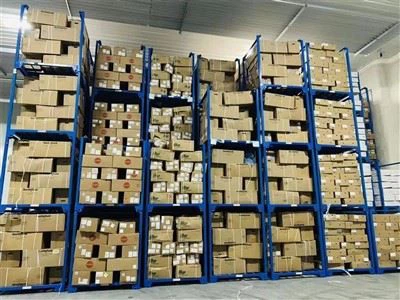
2. Quick Guide to Common Racking Types
Selective Pallet Racking: The most versatile option; direct access to every pallet, suitable for most applications
Drive-In Racking: High-density storage with LIFO (last-in, first-out); ideal for large volumes of the same SKU
Shuttle Racking: Combines high density with improved efficiency; suitable for high-throughput warehouses
Mezzanine Systems: Best for light goods with sufficient ceiling height; adds extra floors to maximize space utilization
Cantilever Racking: Designed for long or bulky items such as pipes, timber, or steel profiles
Flow Rack / Gravity Racking: FIFO (first-in, first-out); ideal for picking areas and assembly lines
3. How to Define Key Parameters
Load Capacity: Based on the heaviest level, with a safety factor of 1.2–1.5
Level Height: Product height + 100–150 mm clearance
Aisle Width: Determined by forklift type; narrower aisles increase storage density
Storage Positions: Calculate total inventory → determine required pallet positions → select the appropriate system

4. Common Pitfalls to Avoid
Over-prioritizing density: Higher density often reduces efficiency and increases safety risks
Cutting material thickness: Thinner uprights and beams compromise structural safety
Ignoring floor capacity: Combined rack and load weight may cause floor cracking or settlement
No room for expansion: Always allow for future growth in inventory, aisles, or equipment


