


Hey there! As a supplier of Goods Shelving Racks, I've seen firsthand how crucial it is to have ergonomic shelving in warehouses and storage facilities. Ergonomics isn't just a buzzword; it's about making work easier, safer, and more efficient. So, let's dive into how you can improve the ergonomics of a goods shelving rack.
1. Height and Accessibility
One of the first things to consider is the height of the shelving rack. Having shelves that are too high can make it difficult for workers to reach items, leading to stretching, bending, and an increased risk of injury. On the other hand, shelves that are too low can force workers to stoop down constantly, which is also bad for their backs.
To address this, you should design or choose shelving racks with adjustable height options. This way, you can customize the shelves according to the types of items being stored and the height of the workers. For example, frequently accessed items can be placed at eye - level or between the waist and shoulder height, which is considered the most ergonomic range.
If you're dealing with a wide variety of item sizes, you might want to check out our Goods Shelving Rack, which offers flexible height adjustment options to suit different storage needs.
2. Shelf Depth
The depth of the shelves is also a key factor. Deep shelves can make it challenging to access items at the back, especially if the shelves are fully loaded. Workers may need to reach in and rummage around, which is not only time - consuming but can also lead to accidents.
Ideally, the shelf depth should be based on the size of the items being stored. For smaller items, shallower shelves are usually better, as they allow for easy access. For larger items, you can have deeper shelves, but it's a good idea to use a system like first - in, first - out (FIFO) to make sure that older items are used or shipped out first.
Our Cold Storage Industrial Racking is designed with optimized shelf depths to ensure easy access to stored goods, whether you're dealing with perishable items in a cold storage environment or other types of products.
3. Aisle Width
Don't underestimate the importance of aisle width. Narrow aisles can make it difficult for workers to move around, especially when they're pushing carts or using forklifts. This can lead to collisions, damage to the shelving and the stored items, and even injuries.
Aisle width should be determined by the type of equipment used in the storage area. If you're using manual carts, a narrower aisle might work, but you still need to leave enough space for easy maneuvering. For forklifts, you'll need wider aisles to ensure safe operation.
When planning your storage layout, make sure to calculate the appropriate aisle width. You can also consider using movable racks, like our Movable Rack for Frozen Food Storage, which can save space by reducing the number of fixed aisles.
4. Shelving Material and Surface
The material and surface of the shelving can have a big impact on ergonomics. Rough or sharp - edged shelves can cause cuts and abrasions to workers' hands, especially when they're handling items. Additionally, shelves made of heavy or difficult - to - clean materials can add to the workload.
Choose shelving made of smooth, durable materials that are easy to clean. Stainless steel is a great option as it's resistant to corrosion, easy to sanitize, and has a smooth surface. If you're working in a cold storage environment, consider our Cold Room Fruit Storage Rack, which is made of materials that can withstand low temperatures and are suitable for storing food products.
5. Lighting and Visibility
Proper lighting is essential for an ergonomic goods shelving system. Poor lighting can make it difficult for workers to see what they're doing, increasing the risk of errors and accidents. It can also cause eye strain, which can lead to long - term health problems.
Install adequate lighting in the storage area, focusing on the shelves themselves. You can use overhead lights, task lights, or a combination of both. Make sure that there are no dark spots or shadows on the shelves, especially in areas where workers need to read labels or identify items.
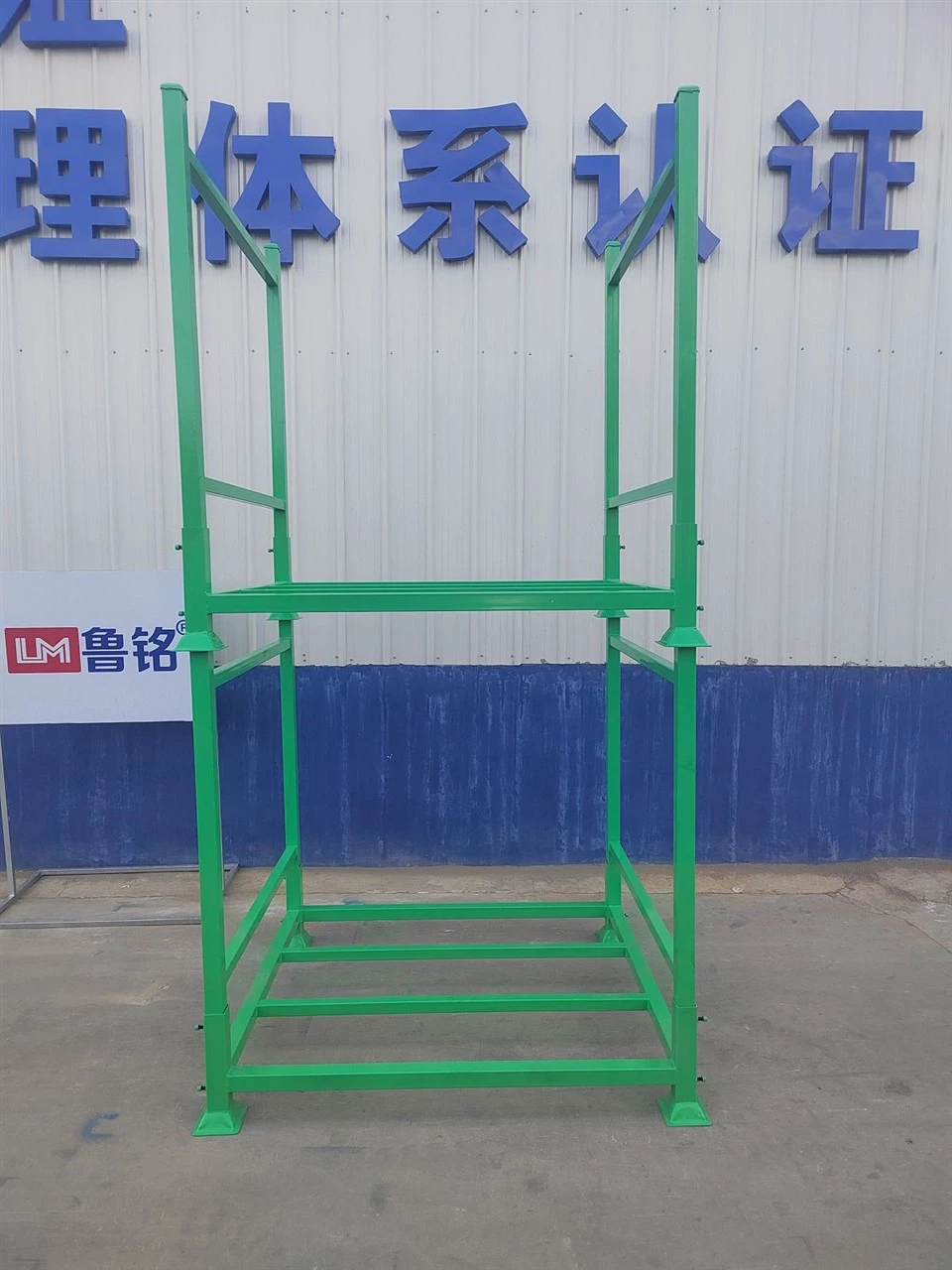

6. Labeling and Organization
Good labeling and organization are ergonomic best practices. Well - labeled shelves make it easier for workers to find the items they need quickly, reducing the time spent searching and minimizing the risk of incorrect picks.
Use clear, visible labels that are easy to read from a reasonable distance. You can also color - code the labels or use symbols to make them even more intuitive. Additionally, organize the items on the shelves in a logical way, such as grouping similar items together or arranging them by size, weight, or frequency of use.
7. Weight Distribution
Uneven weight distribution on shelves can cause the shelves to sag or even collapse, which is extremely dangerous. Make sure to distribute the weight evenly across the shelves and follow the load - capacity guidelines provided by the manufacturer.
If you're storing heavy items, place them on the lower shelves to keep the center of gravity low and prevent the rack from tipping over. For lighter items, you can use the upper shelves. Our Storage Rack for Cold Storage is designed with proper weight - distribution in mind, ensuring that it can safely hold the stored items.
Conclusion
Improving the ergonomics of a goods shelving rack is all about creating a safe, efficient, and user - friendly storage environment. By paying attention to factors like height, depth, aisle width, material, lighting, labeling, and weight distribution, you can reduce the risk of injuries, increase productivity, and make your storage operations more cost - effective.
If you're interested in upgrading your current shelving system or are in the market for a new Goods Shelving Rack, feel free to get in touch for a friendly chat and start the procurement discussion. We're here to help you find the best solution for your specific needs.
References
- Groover, M. P. (2016). Automation, Production Systems, and Computer - Integrated Manufacturing. Prentice Hall.
- Konz, S., & Johnson, S. (2012). Work Design: Industrial Ergonomics. Cengage Learning.


