


Hey there! As a supplier of Frozen Meat Storage Rack, I've seen firsthand how crucial proper labeling is in a frozen meat storage setup. It's not just about slapping on a random sticker; it's about ensuring safety, efficiency, and compliance. In this blog, I'll share some tips on how to label frozen meat on a storage rack effectively.
Why Labeling Matters
First off, let's talk about why labeling is so important. When it comes to frozen meat, proper labeling helps in several ways. For starters, it ensures food safety. By clearly indicating the type of meat, its source, and expiration date, you can prevent cross - contamination and the consumption of expired products.
Efficiency is another key factor. In a busy storage facility, workers need to quickly identify what's on the rack. A well - labeled rack allows for easy access to the right products, reducing the time spent searching for specific items. This, in turn, boosts productivity and reduces labor costs.
Compliance with regulations is also a major concern. There are strict rules regarding food labeling, and failure to comply can result in hefty fines and damage to your reputation. So, getting the labeling right is non - negotiable.
What to Include on the Label
Now, let's dive into what should be on the label.
1. Product Name
The most obvious thing is the name of the meat. Whether it's beef, pork, chicken, or a specific cut like sirloin or drumsticks, make sure it's clearly written. Use bold, easy - to - read fonts so that it can be seen from a distance.
2. Source
It's important to indicate where the meat came from. This could be the farm, the supplier, or the country of origin. Knowing the source gives consumers and facility managers more confidence in the product's quality and safety.
3. Date of Production and Expiration
The date when the meat was packaged or processed and its expiration date are critical pieces of information. This helps in managing inventory and ensures that older products are used first (first - in, first - out principle).

4. Weight or Quantity
Let people know how much meat is in the package. Whether it's in pounds, kilograms, or number of pieces, this information is essential for inventory management and cost calculations.
5. Handling Instructions
Include any special handling instructions, such as whether the meat needs to be thawed in a certain way or cooked to a specific temperature. This helps maintain the quality and safety of the product.
Types of Labels
There are different types of labels you can use for frozen meat.
1. Adhesive Labels
These are the most common type. They are easy to apply and can be printed with all the necessary information. Make sure to use labels that are resistant to cold temperatures and moisture, as the frozen environment can cause regular labels to peel off or become unreadable.
2. Tags
Tags can be tied to the meat packages or hung on the storage rack. They are a good option if you need to change the information frequently or if you want a more visible label. You can use plastic or metal tags, depending on your needs.
3. Direct Printing
In some cases, you can print directly on the packaging. This is a more permanent solution and can be very professional - looking. However, it requires specialized equipment and may not be suitable for all types of packaging.
Label Placement
Where you place the label is just as important as what's on it.
1. On the Package
If possible, label the meat package itself. This ensures that the information stays with the product, even if it's moved around the storage facility. Place the label in a prominent position where it won't be easily covered or damaged.
2. On the Storage Rack
In addition to labeling the packages, it's a good idea to label the storage rack itself. You can use signs or labels to indicate what type of meat is stored on each shelf or section. This makes it easier for workers to quickly find the right products.
Using Color Coding
Color coding can be a great way to make your labeling system more efficient. For example, you could use different colors to represent different types of meat (red for beef, blue for pork, etc.). You can also use colors to indicate the expiration date, with green for fresh products, yellow for approaching expiration, and red for expired items.
This visual cue helps workers quickly identify and prioritize products, reducing the chances of errors.
Software and Technology
In today's digital age, there are many software and technology solutions available to help with labeling.
1. Label Printing Software
There are various programs that allow you to design and print professional - looking labels. These programs often come with templates and the ability to import data from databases, making the labeling process faster and more accurate.
2. Barcode and RFID Systems
Barcode and RFID (Radio - Frequency Identification) systems can be used to track and manage inventory more effectively. Each product can be assigned a unique barcode or RFID tag, which can be scanned to retrieve information about the product, such as its origin, expiration date, and location in the storage facility.
Our Storage Racks for Frozen Meat
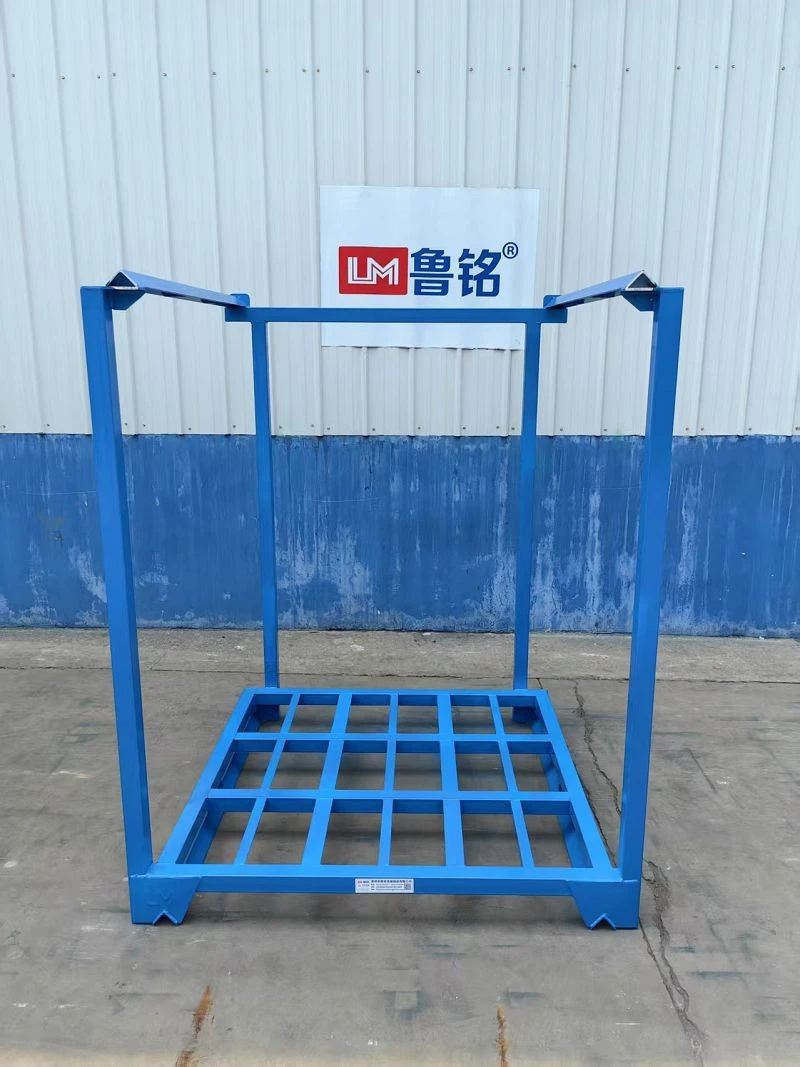
At our company, we offer a range of Frozen Meat Storage Rack solutions to meet your needs. Our Cold Storage Stackable Storage Rack is designed to withstand the cold temperatures of a frozen environment. It's stackable, which means you can maximize your storage space.
Our Hot - Dip Galvanized Stackable Storage Rack is another great option. The hot - dip galvanized coating provides excellent corrosion resistance, ensuring that the rack lasts a long time in a wet and cold environment.
Conclusion
Properly labeling frozen meat on a storage rack is essential for food safety, efficiency, and compliance. By following the tips I've shared in this blog, you can create a labeling system that works for your facility.
If you're in the market for high - quality frozen meat storage racks, we'd love to hear from you. Whether you have questions about our products or want to discuss your specific storage needs, feel free to reach out. We're here to help you find the best solution for your business.
References
- Food and Drug Administration (FDA) guidelines on food labeling.
- Industry best practices for frozen meat storage and labeling.


