


Hey there! As a Warehouse Shelve Rack supplier, I've seen firsthand the importance of safely storing hazardous materials on these racks. It's not just about keeping things organized; it's about ensuring the safety of everyone in the warehouse and the surrounding environment. So, let's dive into how you can do it right.

Understanding Hazardous Materials
First things first, you need to know what you're dealing with. Hazardous materials come in all shapes and sizes, from chemicals and flammable liquids to radioactive substances. Each type has its own set of risks and requirements for storage. For example, flammable liquids need to be stored in a well-ventilated area away from sources of ignition, while corrosive chemicals should be kept in containers made of materials that can withstand their corrosive properties.
It's crucial to label all hazardous materials clearly and accurately. This includes the name of the material, its hazards, and any special handling instructions. This way, anyone who comes into contact with the materials knows what they're dealing with and how to handle them safely.
Choosing the Right Rack
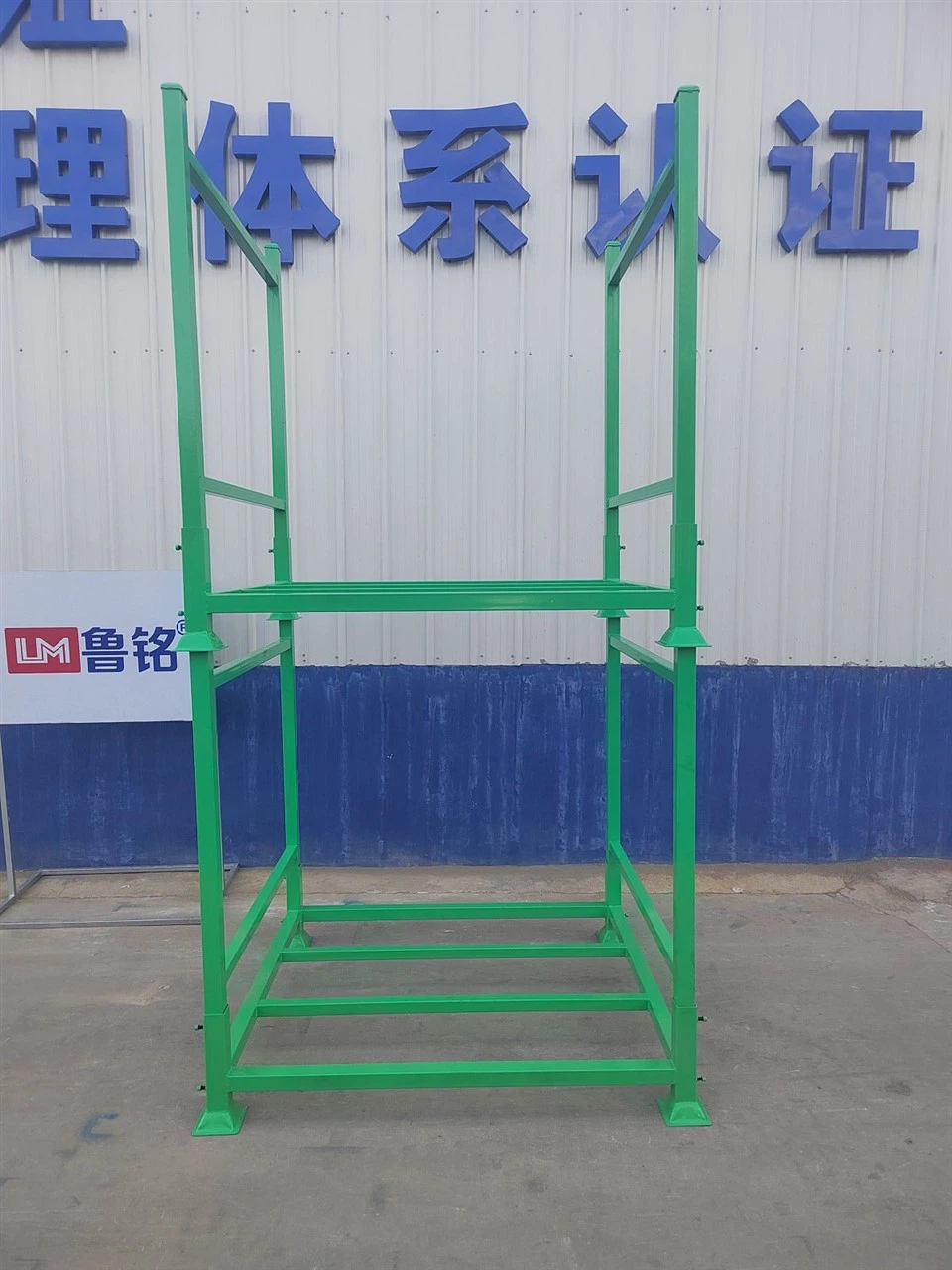
Not all warehouse shelve racks are created equal, especially when it comes to storing hazardous materials. You need to choose a rack that can handle the weight and size of the materials you're storing, as well as any special requirements they may have.
For heavy or bulky hazardous materials, you might want to consider a Goods Shelving Rack. These racks are designed to support heavy loads and can be customized to fit your specific needs. They also come in a variety of sizes and configurations, so you can find the one that's right for your warehouse.
If you're storing perishable hazardous materials, such as certain chemicals or biological substances, a Cold Room Fruit Storage Rack might be a good option. These racks are designed to keep materials at a constant temperature, which can help prevent them from deteriorating or becoming unstable.
For materials that need to be moved frequently, a Movable Rack for Frozen Food Storage could be the way to go. These racks are easy to move around, which can make it easier to access the materials you need when you need them.
Proper Installation and Maintenance
Once you've chosen the right rack, it's important to install it correctly. This means following the manufacturer's instructions carefully and making sure the rack is level and secure. If the rack is not installed properly, it could pose a safety hazard, especially if it's holding heavy or hazardous materials.
Regular maintenance is also essential to ensure the safety of your rack and the materials it's storing. This includes checking for any signs of damage or wear and tear, such as rust, cracks, or loose parts. If you notice any problems, it's important to address them immediately to prevent further damage or accidents.
Storage Practices
In addition to choosing the right rack and maintaining it properly, there are some storage practices you should follow to ensure the safety of your hazardous materials.
First, make sure you're storing the materials in the right containers. This means using containers that are made of the right materials and are designed to hold the specific type of hazardous material you're storing. For example, flammable liquids should be stored in approved flammable storage containers, while corrosive chemicals should be stored in containers made of materials that can withstand their corrosive properties.
Second, keep the materials separated. This means storing different types of hazardous materials in different areas of the warehouse to prevent them from reacting with each other. For example, you should never store flammable liquids next to oxidizing agents, as this could create a fire or explosion hazard.
Third, make sure the storage area is well-ventilated. This is especially important for materials that emit fumes or gases, as poor ventilation can lead to the buildup of these substances, which can be harmful to your health.
Training and Education
Finally, it's important to train your employees on how to safely store and handle hazardous materials. This includes providing them with information on the hazards of the materials they're working with, as well as the proper storage and handling procedures.
You should also provide your employees with the necessary personal protective equipment (PPE), such as gloves, goggles, and respirators, and make sure they know how to use it properly.
Conclusion
Storing hazardous materials on a warehouse shelve rack safely is not something to be taken lightly. It requires careful planning, the right equipment, and proper training and education. By following the tips and guidelines outlined in this blog post, you can help ensure the safety of your employees, your warehouse, and the environment.
If you're in the market for a Warehouse Shelve Rack for storing hazardous materials, or if you have any questions or need more information, don't hesitate to reach out. We're here to help you find the right solution for your needs.
References
- Occupational Safety and Health Administration (OSHA). Hazardous Materials Storage Guidelines.
- National Fire Protection Association (NFPA). Standards for the Storage of Hazardous Materials.
- American Society of Mechanical Engineers (ASME). Safety Standards for Warehouse Shelving Racks.


