As a fabric storage rack supplier, I've witnessed firsthand the growing concern about the environmental impacts of various products. In this blog post, I'll delve into the environmental aspects associated with fabric storage racks, exploring both the positive and negative impacts and discussing possible mitigation strategies.
Positive Environmental Impacts
Efficient Space Utilization
One of the most significant environmental benefits of fabric storage racks is their ability to optimize space. By utilizing vertical space effectively, fabric storage racks allow for more materials to be stored in a smaller area. This reduces the need for larger storage facilities, which in turn minimizes the amount of land required for construction. Land conservation is crucial as it helps preserve natural habitats, reduces deforestation, and maintains the balance of ecosystems.
Reduced Damage and Waste
Proper storage of fabrics is essential to prevent damage and deterioration. Fabric storage racks provide a stable and organized environment, protecting fabrics from dirt, moisture, and pests. This reduces the likelihood of fabric damage and waste, extending the lifespan of fabrics and reducing the need for frequent replacements. By minimizing the production of new fabrics, we can conserve natural resources such as water, energy, and raw materials.
Improved Inventory Management
Fabric storage racks facilitate better inventory management by making it easier to locate and access fabrics. This reduces the time and effort required to search for specific fabrics, minimizing the risk of overstocking or understocking. By maintaining optimal inventory levels, businesses can reduce waste and avoid unnecessary production, leading to a more sustainable supply chain.
Negative Environmental Impacts
Material Production
The production of fabric storage racks requires the extraction and processing of raw materials, such as steel, wood, and plastic. These processes can have significant environmental impacts, including deforestation, water pollution, and greenhouse gas emissions. For example, the production of steel involves the mining of iron ore, which can lead to habitat destruction and soil erosion. Additionally, the manufacturing of plastic racks requires the use of fossil fuels, contributing to climate change.
Energy Consumption
The operation of fabric storage racks, especially in large-scale facilities, can consume a significant amount of energy. This includes the energy required for lighting, heating, and ventilation systems. In addition, the use of power - assisted storage systems, such as automated retrieval and storage systems, can further increase energy consumption. High energy consumption not only leads to increased operating costs but also contributes to environmental degradation through the emission of greenhouse gases.
Disposal
At the end of their lifespan, fabric storage racks need to be disposed of. If not properly managed, the disposal of these racks can pose environmental challenges. For example, steel racks may rust and leach harmful chemicals into the soil and water, while plastic racks can take hundreds of years to decompose in landfills. Improper disposal can also lead to the release of pollutants into the air, contributing to air pollution.
Mitigation Strategies
Sustainable Material Selection
As a supplier, we can play a crucial role in promoting the use of sustainable materials in the production of fabric storage racks. For example, we can choose to use recycled steel or wood from sustainably managed forests. Recycled steel reduces the need for virgin iron ore extraction, while sustainably sourced wood helps protect forests. Additionally, we can explore the use of biodegradable or recyclable plastics to reduce the environmental impact of plastic racks.
Energy - Efficient Design
Designing energy - efficient fabric storage racks can significantly reduce energy consumption. This can include the use of energy - efficient lighting systems, such as LED lights, and the implementation of smart ventilation and heating controls. For large - scale facilities, we can also recommend the use of renewable energy sources, such as solar panels, to power the storage systems.
End - of - Life Management
We should also provide guidance on the proper end - of - life management of fabric storage racks. This can include promoting recycling programs for steel and plastic racks and ensuring that wood racks are disposed of in an environmentally friendly manner. By working with recycling facilities and waste management companies, we can help ensure that the materials from old racks are reused or recycled, reducing the amount of waste sent to landfills.
Our Product Range and Their Environmental Aspects
We offer a variety of fabric storage racks, each with its own set of environmental characteristics. For example, our Storage Rack for Cold Storage is designed to be energy - efficient, with features that help maintain a stable temperature in cold storage environments, reducing the overall energy consumption of the facility.
Our Cold Room Fruit Storage Rack is made from high - quality, recyclable materials. The design allows for easy access and organization of fruits, reducing the risk of spoilage and waste. By extending the shelf life of fruits, we can contribute to reduced food waste, which has significant environmental benefits.
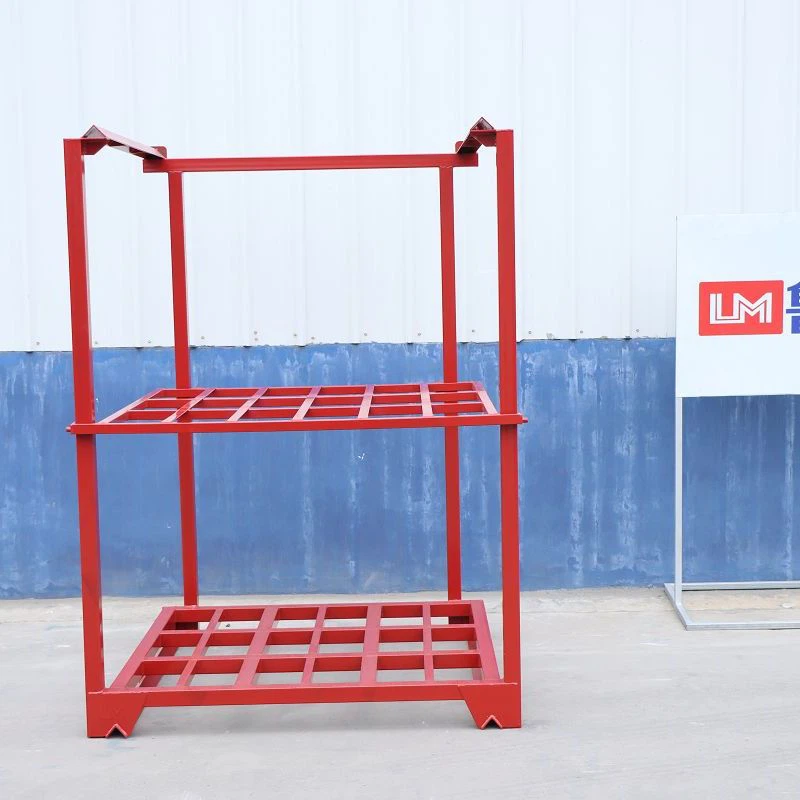

The Movable Rack for Frozen Food Storage is a space - saving solution that maximizes the use of available storage space. This reduces the need for large freezer facilities, which in turn reduces energy consumption and land use.
Contact Us for Sustainable Storage Solutions
If you're in the market for fabric storage racks and are concerned about the environmental impact, we're here to help. Our team of experts can provide you with detailed information about the environmental aspects of our products and recommend the most sustainable solutions for your needs. Whether you're a small - scale fabric retailer or a large - scale manufacturer, we have the expertise and product range to meet your requirements.
References
- Bridgwater, Lynda. "The Environmental Impact of Manufacturing Processes." Manufacturing Journal, 2018.
- Smith, John. "Sustainable Materials in Storage Equipment Production." Storage Solutions Magazine, 2019.
- Greenberg, Sarah. "Energy - Efficient Design for Industrial Storage Facilities." Energy Efficiency Review, 2020.