


Storing large pieces of fabric efficiently is a crucial concern for many fabric businesses, designers, and hobbyists. A well - organized storage system not only protects the fabric from damage but also makes it easier to access and manage. As a fabric storage rack supplier, I'm here to share some effective ways to store large pieces of fabric on a storage rack.
Understanding the Characteristics of Large Fabric Pieces
Before diving into storage methods, it's important to understand the unique characteristics of large fabric pieces. Fabrics can vary widely in terms of their weight, texture, and susceptibility to wrinkles and damage. Some heavy - duty fabrics like denim or canvas may require more robust support, while delicate silks and chiffons need gentle handling to avoid snags and creases. Additionally, large pieces of fabric take up significant space, so optimizing the use of storage space is essential.
Choosing the Right Storage Rack
The first step in storing large fabric pieces is selecting the appropriate storage rack. There are several types of racks available, each with its own advantages.
Shelving Racks
Shelving racks are a popular choice for fabric storage. They provide a flat surface for folding and stacking fabric. When choosing a shelving rack, consider the weight capacity. For large and heavy fabric pieces, a sturdy metal or wooden shelving unit is recommended. Make sure the shelves are wide enough to accommodate the full width of the fabric without folding it too tightly, which can cause permanent creases.
Hanging Racks
Hanging racks are ideal for long, flowing fabrics or those that are easily wrinkled. You can hang fabric on rods using fabric - friendly hangers or clips. This method allows the fabric to drape naturally, reducing the risk of creasing. However, hanging racks may not be suitable for very heavy fabrics as they can stretch over time.
Rolling Racks
Rolling racks offer flexibility as they can be moved around easily. They are great for storing large fabric bolts. You can roll the fabric onto the rack, which helps to keep it in a tubular shape and minimizes wrinkling. Rolling racks are also convenient for accessing different fabrics quickly, as you can simply roll the rack to the desired section.
Preparation Before Storage
Before placing the fabric on the storage rack, it's important to prepare it properly.
Cleaning
Ensure that the fabric is clean before storage. Dirt and stains can attract pests and cause discoloration over time. Follow the care instructions on the fabric label for the appropriate cleaning method. For some delicate fabrics, dry - cleaning may be the best option, while others can be machine - washed on a gentle cycle.
Folding or Rolling
Decide whether to fold or roll the fabric based on its type and the storage method you've chosen. For folding, use a large, flat surface and create even folds. Avoid sharp creases by using a soft - edged tool like a wooden dowel to smooth out the folds. When rolling, start from one end of the fabric and roll it tightly but not too forcefully to prevent stretching.
Storing Large Fabric Pieces on the Rack
Stacking on Shelves
If you're using a shelving rack, stack the folded fabric neatly. Place heavier fabrics at the bottom to prevent them from crushing the lighter ones on top. You can also use dividers on the shelves to separate different types or colors of fabric. This makes it easier to find the fabric you need without disturbing the entire stack.

Hanging on Racks
When hanging fabric, use padded hangers or fabric - friendly clips to prevent damage. Arrange the fabric in an organized manner, perhaps by color or type. You can also use hanging organizers with multiple compartments to group smaller pieces of fabric together.
Rolling on Racks
For rolling racks, make sure the fabric is rolled tightly onto the rack. If the fabric is too loose, it may unravel. You can label each roll with the fabric type, color, and any other relevant information. This will save you time when searching for a specific fabric.
Organization and Labeling
Organization is key to efficient fabric storage. Use labels to identify each fabric piece. You can use sticky labels, fabric - friendly markers, or even small tags attached to the fabric. Label the fabric with details such as the type (e.g., cotton, silk), color, width, and any special features. This will make it much easier to find the fabric you need quickly.
In addition to labeling individual pieces, consider creating an overall inventory system. You can use a spreadsheet or a dedicated inventory management app to keep track of all the fabrics in your storage. Include information such as the quantity, location on the rack, and purchase date.
Environmental Considerations
The environment where the fabric is stored can have a significant impact on its condition. Keep the storage area clean, dry, and well - ventilated. High humidity can lead to mold and mildew growth, while extreme temperatures can damage the fabric fibers.
Avoid storing fabric in direct sunlight, as this can cause fading. If possible, use curtains or blinds to block out sunlight in the storage area. Also, be aware of potential pests such as moths and rodents. Use pest - repellent products or natural deterrents like cedar chips to keep them away.
Related Products
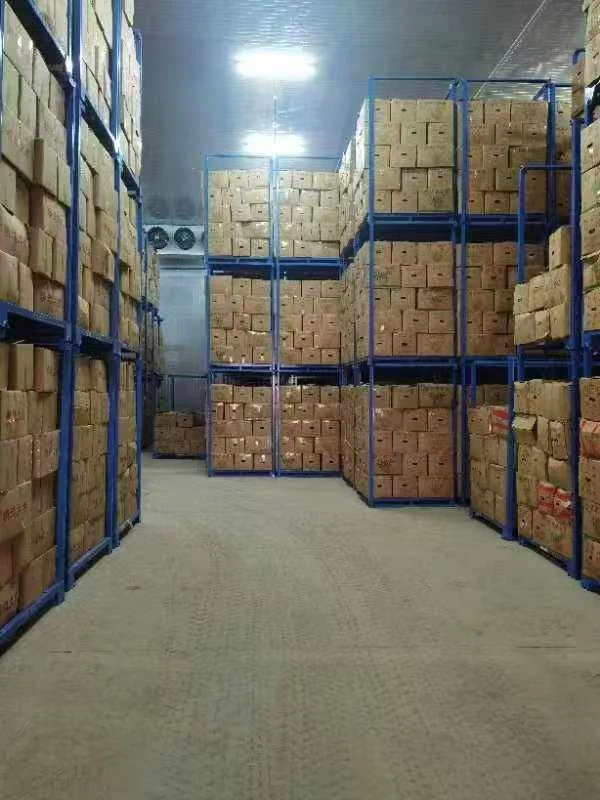
As a fabric storage rack supplier, we also offer other types of storage racks that may be of interest to you. For example, our Stacking Rack for Cold Room Storage is designed for cold storage environments, which can be useful if you need to store fabrics under specific temperature conditions. Our Cold Room Fruit Storage Rack is another option for those who require specialized storage solutions. And if you're dealing with frozen items or need a movable storage solution, our Movable Rack for Frozen Food Storage could be a great choice.
Conclusion
Storing large pieces of fabric on a storage rack requires careful consideration of the fabric's characteristics, the right choice of storage rack, proper preparation, organization, and environmental control. By following these tips, you can ensure that your fabric is well - protected and easily accessible.
If you're interested in purchasing high - quality fabric storage racks or any of our other storage solutions, we invite you to contact us for a detailed discussion. Our team of experts is ready to assist you in finding the perfect storage solution for your needs.
References
- "Fabric Care and Storage Guide" by Textile Institute
- "Best Practices for Textile Storage" from National Museum of American History


